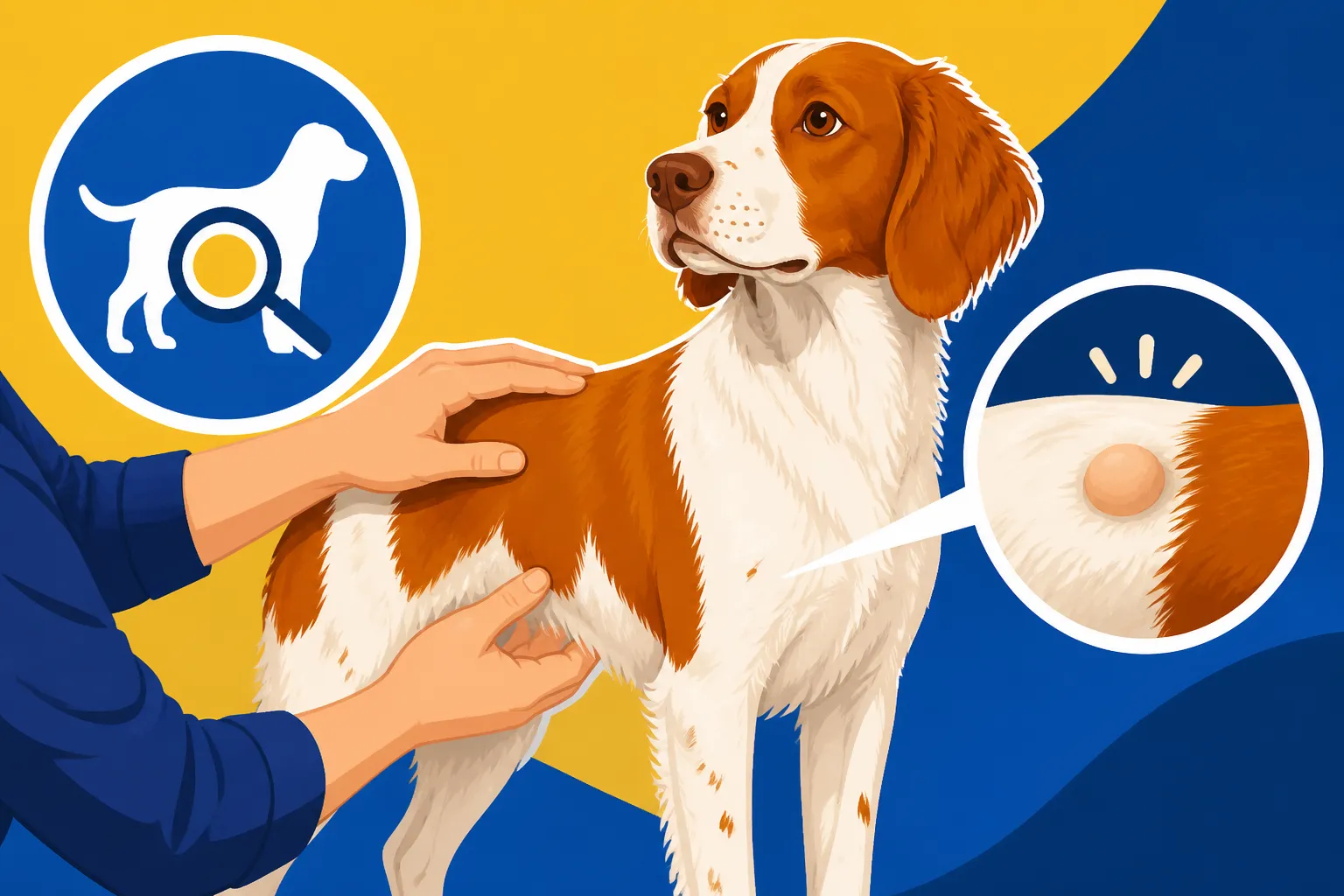
How to Check a Brittany for Lumps
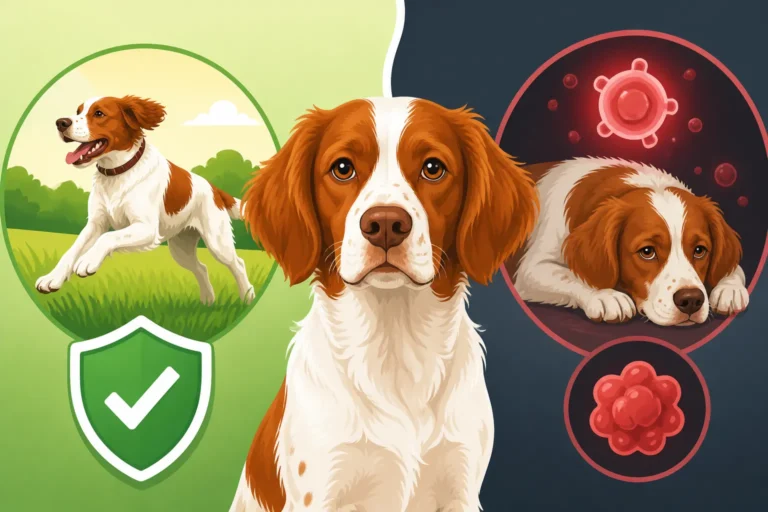
Finding an unexpected lump or bump on your beloved Brittany can send a jolt of panic through any dog owner. It’s a moment that makes your heart sink, leaving you wondering what it is, if it’s serious, and what you should do next. This guide is here to walk you through the essential steps of regularly checking your Brittany for lumps, understanding what you might find, and knowing when it's time to call the veterinarian.
Understanding Lumps: Why They Appear on Your Brittany
It’s a common concern among Brittany owners: you’re petting your dog, running your hands over their soft coat, and suddenly, there it is—a small, firm, or squishy mass that definitely wasn’t there before. Lumps can appear on any dog, but understanding why they show up on our active Brittanys can help you approach these discoveries with a bit more context.
The Various Reasons Brittanys Develop Lumps
Brittanys, like all dogs, are susceptible to a range of skin and subcutaneous (under the skin) growths. These can be as innocent as a blocked pore or as serious as a malignant tumor. Often, the first time you feel a lump, it’s a tiny surprise, but as they grow, they become more noticeable. Our Brittanys are energetic dogs, constantly running through brush, rolling in the yard, and bumping into things, which can sometimes lead to localized swelling or reactions under the skin that feel like lumps. However, many lumps arise internally without any external trauma.
Common types of lumps you might find include lipomas, which are benign fatty tumors often found in older dogs; sebaceous cysts, which are blocked oil glands that can rupture; warts; and various forms of abscesses or hematomas from injury. More concerning, but still common, are mast cell tumors, which can range from benign to aggressive and can appear almost anywhere on or under the skin. Fibromas, histiocytomas (especially in younger dogs), and other soft tissue sarcomas are also possibilities, though less frequent. Each type presents differently, which is why a careful examination on your part is the first step.
Early Detection Saves Lives and Prevents Complications
The mantra "early detection saves lives" isn't just for humans; it's incredibly vital for our canine companions, especially when it comes to lumps. Many types of cancer, if caught early, are highly treatable. A small, seemingly insignificant lump found today could be removed with a simple procedure, whereas if left to grow and spread, it could become a much more complex, expensive, and life-threatening issue down the road. Regular, thorough lump checks mean you become intimately familiar with your Brittany's body, noticing changes sooner.
Think of it as preventive maintenance for your Brittany’s health. Just like you ensure your Brittany gets their regular How Often a Brittany Needs a Wellness Exam or stays up-to-date on their What a Brittany's Yearly Bloodwork Should Cover, a hands-on examination for lumps is a crucial part of their routine care. It gives your veterinarian a head start if a lump does turn out to be something serious, increasing the chances of successful treatment and a longer, happier life for your furry friend. When unexpected health costs arise from diagnostics or treatments for lumps, remember that pet insurance, such as plans from Healthy Paws, can be a real lifeline in managing these expenses.
Your Hands-On Guide: How to Systematically Check for Lumps
Knowing how to properly check your Brittany for lumps is an essential skill for any owner. It's more than just a quick pat; it's a systematic, thorough examination that makes you aware of every inch of your dog's body. Doing this regularly will help you identify new or changing lumps quickly.
Setting the Stage for a Calm Examination
Before you begin, create a calm and comfortable environment for your Brittany. This isn't a race; it's an opportunity for bonding and a gentle health check. Choose a quiet time when your dog is relaxed, perhaps after a walk or a meal, or during their evening cuddle session. Many Brittanys love attention, so they might enjoy the focused one-on-one time. A comfortable surface, like a soft bed or rug, can make the experience more pleasant.
Have some treats on hand to reward cooperation and make the experience positive. Speak in a soothing voice, praising your dog throughout the process. If your Brittany is initially squirmish or resistant to certain areas being touched, start with areas they enjoy being petted, then gradually work your way to more sensitive spots over several sessions. The goal is to make this a routine that your Brittany looks forward to, not something they dread. Consistent positive reinforcement will go a long way in establishing this healthy habit.
The Full Body Palpation Technique
To perform a thorough check, you’ll need to use your fingertips and palms to systematically palpate (feel) your Brittany's entire body. Don't just visually scan; many lumps are too small or located under the fur to be seen. Begin at the nose and work your way down to the tail, covering every area.
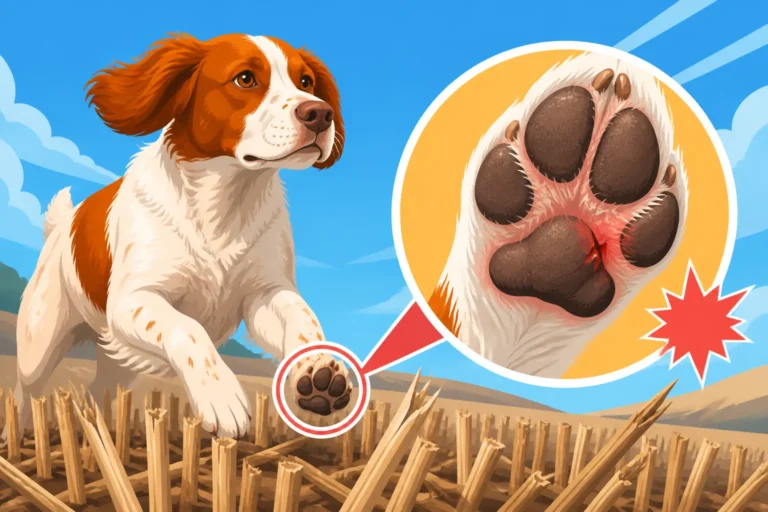
Start with the head and face: Gently feel around the muzzle, under the chin, around the eyes, and over the skull. Don't forget their ears – check both the external ear flap and the base of the ear for any swelling or foreign bodies. Pay close attention to their neck, feeling for enlarged lymph nodes or unusual bumps. Move down to the shoulders and chest, sweeping your hands firmly but gently over their rib cage and sternum. Work your way along their back, down each leg, checking armpits and groin areas carefully, where lymph nodes are also present. Don't forget their belly; a soft belly can sometimes obscure smaller lumps, so use firm pressure. Finally, check their tail, including the base, and lift it to check the anal area. Remember to check their paws and between their toes as well; sometimes small growths or embedded foreign objects can mimic lumps. A specific check of their paws can be integrated into this routine, similar to how you would check its pads after a hunt (How Often a Brittany's Pads Should Be Checked).
What You're Looking For and How to Describe It
As you perform your full-body check, you're not just feeling for anything "new"; you're also trying to characterize anything you find. This information will be invaluable to your veterinarian. When you discover a lump, try to observe and note the following:
- Size: Measure it if possible (e.g., dime-sized, golf ball-sized, or in centimeters).
- Shape: Is it round, oval, irregular?
- Location: Be very specific. "On his left flank, just above the hip bone," or "on the inner side of her right elbow."
- Consistency/Texture: Is it soft and squishy like a marshmallow, firm and rubbery, or hard like a bone?
- Mobility: Does it move freely under the skin when you try to shift it, or is it firmly fixed in place?
- Temperature: Does it feel warmer than the surrounding skin?
- Pain/Sensitivity: Does your Brittany react when you touch it?
- Skin involvement: Is the skin over the lump red, irritated, hairless, or ulcerated?
- Growth rate: Has it grown since you last checked? How quickly?
Keeping a small notebook or using a tracking app to record these details can be incredibly helpful. Note the date you first noticed it, its initial characteristics, and any changes over time. This detailed history will empower your veterinarian to make a more accurate assessment.
Deciphering What You Find: Types of Lumps and Their Characteristics
Once you find a lump, the natural human reaction is to assume the worst. However, many lumps are benign and harmless. The key is knowing what characteristics might signal something more serious, requiring prompt veterinary attention.
Common Benign Lumps You Might Encounter
Not all lumps are cause for alarm. Many dogs, especially as they get older, develop benign growths. Lipomas, for instance, are very common in Brittanys, particularly as they age. These are typically soft, somewhat squishy, and freely movable under the skin, feeling like a small bag of marbles or a soft rubber ball. They are essentially collections of fat cells and usually pose no health risk unless they grow excessively large, interfere with movement, or are in an awkward location.
Another frequent finding is a sebaceous cyst. These occur when an oil gland in the skin becomes blocked, leading to a build-up of sebum. They often feel firm and round, and if they rupture, they can exude a cheesy, white substance and become inflamed or infected. While not cancerous, infected cysts can be painful and may require veterinary intervention. Warts and skin tags are also common, especially around the face or limbs, and are usually harmless but can sometimes be irritated by grooming or rubbing.
Identifying Potentially Concerning Lumps
While many lumps are benign, some characteristics should always raise a red flag and prompt a visit to your vet without delay. Lumps that are rapidly growing, firm, fixed to underlying tissue (not movable), irregular in shape, or associated with skin changes like redness, ulceration, or discharge are particularly concerning. Any lump that appears suddenly and causes your Brittany pain, lameness, or general unwellness also warrants immediate professional assessment.
One type of lump that requires urgent attention is a mast cell tumor. As noted in articles discussing Whether a Brittany Gets Mast Cell Tumors, these can be tricky because they can mimic other benign lumps but can be very aggressive. They can appear anywhere on the body, on or under the skin, and vary widely in appearance. Other concerning lumps include sarcomas or lymphomas. Sometimes a lump might not even be visible, but rather a swollen lymph node felt in the neck, armpit, or groin, which can be a sign of systemic illness or cancer. If you feel anything that makes you pause, it's always best to err on the side of caution and get it checked out.
When to Act: Recognizing the Red Flags and Consulting Your Vet
Discovering a lump is a moment of decision. While it’s tempting to adopt a wait-and-see approach, especially if your Brittany isn't bothered by it, certain signs should always trigger a prompt call to your veterinarian.
Red Flags That Warrant Immediate Attention
Not every lump needs an emergency vet visit, but a few key indicators mean you shouldn't delay. If a lump appears suddenly and grows very rapidly, is hot to the touch, or causes your Brittany discomfort or pain when you touch it, it needs immediate attention. Lumps that are bleeding, oozing, or have an open sore on them are also concerning. If your Brittany is also showing other signs of illness, such as lethargy, loss of appetite, vomiting, or changes in their normal behavior, alongside the lump, this is definitely a sign to seek veterinary advice quickly.
Even if the lump itself doesn't seem to bother your dog, but it feels firm and fixed, or irregular in shape, it's worth getting evaluated sooner rather than later. A lump that seems to "wax and wane" in size can also be suspicious, as some aggressive tumors, like certain mast cell tumors, can do this. Remember, it's about peace of mind as much as it is about health. You wouldn't want to live with that worry, and neither should your Brittany.
Preparing for Your Veterinary Appointment
When you’ve scheduled that vet appointment, gathering all your observations beforehand will be incredibly helpful for the veterinarian. As mentioned earlier, keeping notes about the lump’s size, location, texture, and any changes over time is crucial. You might even take a photograph to show its appearance, especially if it's in a hard-to-describe location. Consider if you’ve noticed any other changes in your Brittany's overall health or behavior, such as a decrease in appetite, weight loss, or changes in energy levels.
Be ready to discuss your Brittany's medical history, including any previous lumps, recent injuries, or changes in their diet or routine. Your vet will likely want to perform a thorough physical examination, not just of the lump, but of your entire dog. They might recommend further diagnostics, such as a fine needle aspirate (FNA), which involves taking a small sample of cells from the lump with a needle for microscopic examination. This is often a quick, relatively non-invasive procedure that can provide immediate answers or guide further steps. In some cases, a biopsy might be recommended for a more definitive diagnosis.
Navigating the Journey: Diagnosis, Treatment, and Ongoing Care
Finding a lump is just the first step. The journey continues with diagnosis, potential treatment, and ongoing monitoring to ensure your Brittany remains as healthy as possible.
What Happens After Diagnosis: Benign vs. Malignant Lumps
Once your veterinarian has performed diagnostics like a fine needle aspirate or biopsy, they will be able to provide a diagnosis. If the lump is benign, like a lipoma or a simple sebaceous cyst, the vet might recommend a "watch and wait" approach, monitoring its size and characteristics over time. In some cases, if a benign lump is growing large, is in an uncomfortable spot, or simply bothers you, surgical removal might still be an option. For instance, a sebaceous cyst that frequently ruptures and gets infected might be removed to prevent recurring problems.
If the diagnosis is more concerning, indicating a malignant tumor or one with the potential for malignancy (like certain mast cell tumors), your vet will discuss treatment options. This could range from surgical removal, which is often curative for early-stage localized cancers, to more advanced therapies like chemotherapy or radiation, depending on the type and stage of cancer. Sometimes, a full workup, including imaging (X-rays, ultrasound) or further blood tests, may be needed to determine if the cancer has spread. Understanding Which Cancers a Brittany Spaniel Gets can help you have an informed discussion with your vet about potential prognoses and treatment plans.
The Role of Veterinary Care and Follow-up
Ongoing veterinary care is paramount once a lump has been identified and diagnosed, regardless of whether it's benign or malignant. Even benign lumps should be monitored regularly for any changes in size, shape, or texture. Your vet might suggest a recheck schedule, perhaps every three to six months, to keep an eye on things. For Brittanys, especially as they enter their senior years, regular checks for new lumps become even more critical, as explored in articles like Caring for a Brittany Past Ten.
If your Brittany has been treated for a malignant lump, follow-up care is absolutely essential. This often involves regular check-ups, potentially including further imaging or blood work, to ensure there's no recurrence and to monitor for any new growths. Your vet will guide you through the specific recommendations tailored to your Brittany’s condition. This partnership with your veterinarian, combined with your diligent at-home checks, forms the strongest defense against potential health issues arising from lumps. It’s also during these times that the financial support from pet insurance, such as coverage provided by Healthy Paws, can be invaluable for covering the costs of diagnostic tests, surgeries, and ongoing treatments.
Table: Key Characteristics of Lumps and Urgency
To help you quickly assess what you find, here's a summary of common lump characteristics and how urgently you should seek veterinary advice.
| Characteristic | Description | Potential Meaning | Urgency for Vet Visit |
|---|---|---|---|
| Soft & Movable | Feels squishy, moves freely under skin | Often benign (e.g., lipoma, cyst) | Monitor, non-urgent vet check |
| Firm & Fixed | Hard, doesn't move when pushed | Potentially malignant, scar tissue | Prompt vet check (within days) |
| Rapidly Growing | Noticeably larger in days/weeks | Potentially malignant, abscess | Urgent vet check (within 24-48 hours) |
| Red/Inflamed | Skin over lump is red, warm, swollen | Infection, allergic reaction, certain tumors | Urgent vet check (within 24 hours) |
| Oozing/Bleeding | Open sore, discharge, or bleeding | Infection, ulceration, malignant tumor | Urgent vet check (within 24 hours) |
| Painful | Brittany reacts negatively to touch | Injury, infection, aggressive tumor | Urgent vet check (within 24 hours) |
| Irregular Shape | Not round or oval, unusual margins | Often malignant | Prompt vet check (within days) |
| Small & Stable | Small, unchanged for months | Often benign (e.g., small wart, skin tag) | Monitor regularly, discuss at next wellness exam |
Remember, this table is a guide, not a diagnostic tool. Always consult your veterinarian if you have any concerns about a lump on your Brittany.
Disclaimer
This article is intended for informational purposes only and does not constitute veterinary advice. Always consult with a qualified veterinarian for any health concerns or before making any decisions about your Brittany's medical care.