Whether a Brittany Overheats on an Early Season Hunt
That crisp morning air in early season can be incredibly deceptive, can't it? One minute you're thinking it's perfect weather for your Brittany to hit the fields, and the next you're staring at a dog that's clearly struggling, realizing that even moderate temperatures can be dangerous when you factor in their boundless energy and thick coat. This guide is here to walk you through the very real risks of overheating in your Brittany during those initial hunts, how to spot the warning signs, and crucial steps to take to keep your beloved bird dog safe and happy.
Why Early Season Presents a Unique Challenge for Brittanys
Many of us look forward to opening day with an almost giddy excitement, and our Brittanys feel it tenfold! But that intense enthusiasm, combined with other factors, can turn a seemingly mild day into a dangerous situation for them. Brittanys are built for stamina and speed, often with a powerful drive that makes them ignore their own discomfort when there's a bird to be found.
The Deceptive Nature of Early Fall Weather
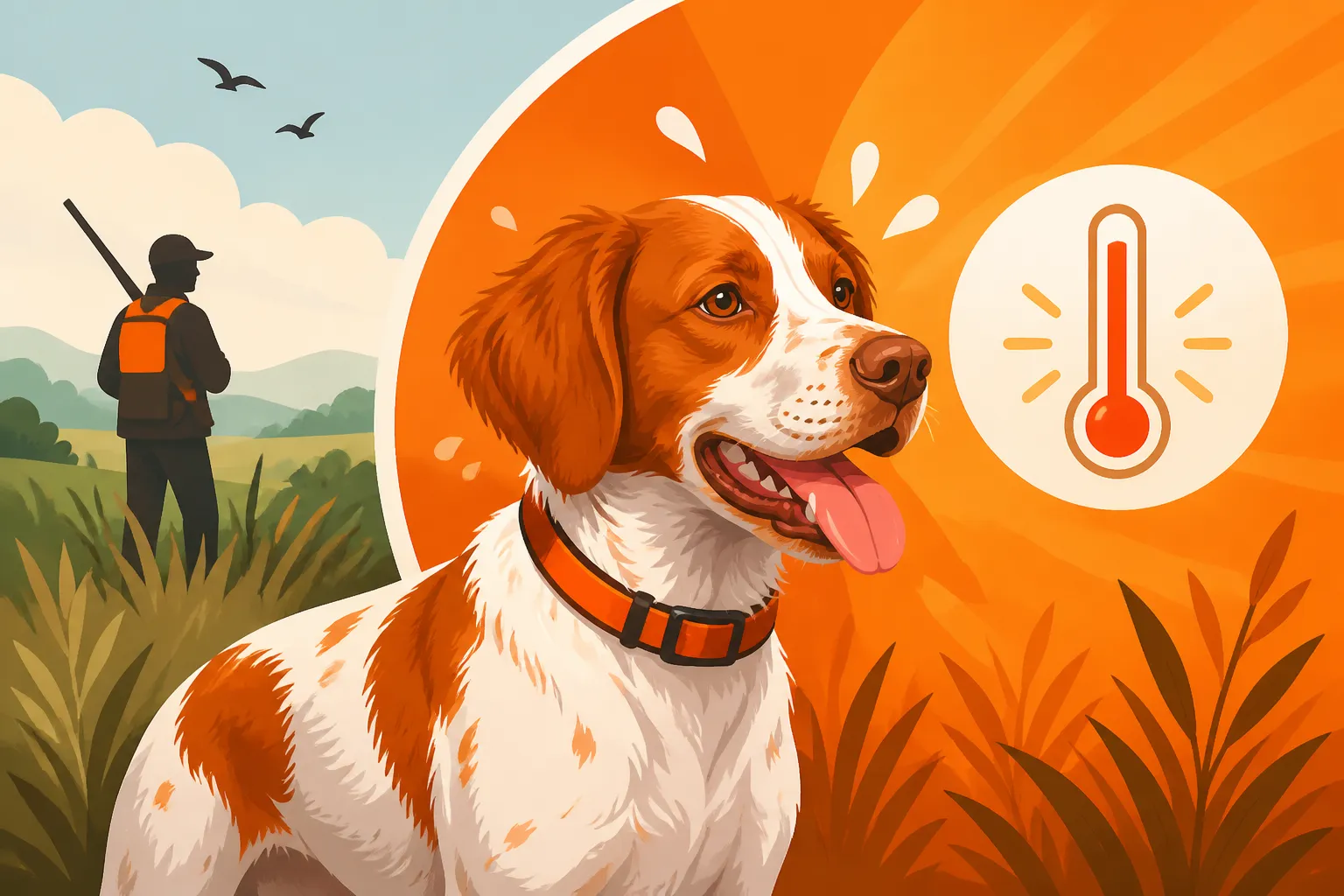
When you step outside in late summer or early fall, the air might feel pleasantly cool to us in our lighter gear. We've spent months in the heat, so 60 or 70 degrees Fahrenheit feels like a breath of fresh air. But for a dog, especially one with a dense double coat and a body temperature a few degrees higher than our own, it's a completely different story. The ambient temperature is only one piece of the puzzle. Humidity plays a huge role; if it's muggy, your Brittany can't efficiently cool itself through panting, which is their primary method of heat exchange. Imagine trying to run a marathon in a fur coat on a humid day – that's often what we're asking our dogs to do without realizing it.
Lack of Conditioning and Overexcitement
After a long off-season, even with regular exercise, many Brittanys aren't truly conditioned for the rigorous demands of an all-day hunt. They might be fit for a two-mile run around the park, but that's a far cry from covering miles of varied terrain, often at a full sprint, in pursuit of game. This lack of specific hunting fitness means their bodies aren't as efficient at managing heat. Combine that with their incredible prey drive and excitement, which pumps adrenaline and increases metabolic activity, and you have a recipe for disaster. They'll push themselves far beyond their limits, ignoring early signs of fatigue or overheating, because their instinct tells them to find that bird. This is especially true for younger, less experienced dogs who haven't yet learned to pace themselves or recognize their own physical boundaries.
The Brittany's Energetic Nature and Thick Coat
Brittanys are not known for their leisurely strolls. They are dynamic, high-energy dogs bred to cover ground quickly and tirelessly. This inherent drive means they're constantly on the move, generating significant body heat. Furthermore, while their coat isn't as long as some setters, it's quite dense, especially if they haven't blown their full winter coat yet. This insulation, which is fantastic for colder weather, acts like a heavy blanket when temperatures rise, trapping heat close to their body. The combination of high activity levels and an insulating coat means they heat up rapidly and struggle to dissipate that heat, making them particularly susceptible to overheating compared to some short-haired breeds.
Recognizing the Signs of Overheating in Your Brittany
It's absolutely vital to be able to tell when your Brittany is getting too hot. Early detection can prevent a serious emergency, but sometimes, by the time the obvious signs appear, you're already in a dangerous zone. Always err on the side of caution.
Early Warning Signs to Watch For
Initially, your Brittany might just seem a little "off." Maybe they're not ranging as wide as usual, or they're lagging slightly behind. You might notice their panting becomes more exaggerated than usual, even for their activity level. Their tongue might be hanging out further, and their gums might appear darker red than their normal healthy pink. They may start to seek shade more frequently or try to find water to stand in. These subtle shifts are your dog's first cries for help. Don't dismiss them as just being tired; they could be the precursors to something much more serious. If you notice your dog drooling excessively, with thick, ropey saliva, that's another red flag that their body is struggling to regulate its temperature.
Progressing Symptoms and Emergency Situations
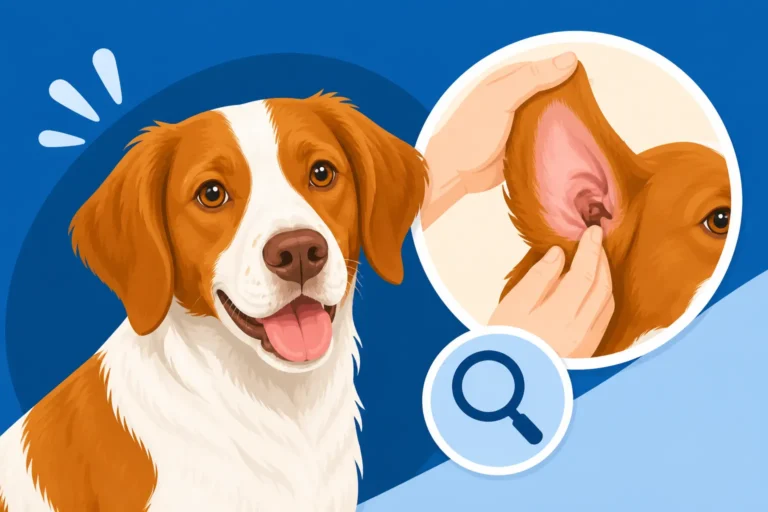
As overheating progresses, the signs become much more alarming. Your Brittany might stumble, lose coordination, or even collapse. Their breathing will become extremely labored, often accompanied by noisy gasps or wheezing. Their gums might turn bright red, then pale, or even bluish as their circulation becomes compromised. Their skin, especially inside the ears, might feel very hot to the touch. In severe cases, they might experience vomiting, diarrhea, tremors, or seizures. This is a full-blown emergency, often referred to as heatstroke, and requires immediate, aggressive intervention. Time is of the essence. If you see these signs, your priority must immediately shift from hunting to cooling your dog and getting them veterinary care. Waiting even a few minutes can have dire consequences, including organ damage or death.
Here's a quick reference table for recognizing and responding to heat stress:
| Symptom Severity | Description | Action Required |
|---|---|---|
| Mild Heat Stress | Excessive panting, increased drooling, bright red gums, seeking shade, reduced energy. | Stop activity immediately. Move to a cool, shaded area. Offer fresh, cool water. Wet paws, belly, and ears with cool (not icy) water. Monitor closely for 15-20 minutes. If no improvement or symptoms worsen, treat as moderate. |
| Moderate Overheat | Heavy, labored panting, thick saliva, wobbly gait, dark red gums, increased body temperature (rectal: 104-106°F). | Stop activity, move to coolest available area. Apply cool (not icy) water to entire body, especially groin, armpits, and neck. Fan your dog. Encourage drinking small amounts of water. Seek veterinary attention immediately. Continue cooling during transport. |
| Severe Heatstroke | Collapse, seizures, vomiting/diarrhea, blue/pale gums, unresponsive, extremely high body temperature (>106°F). | This is an emergency. Begin aggressive cooling immediately: soak entire body with cool water, use a fan. Apply ice packs to groin/armpits if available. Transport to the nearest emergency vet clinic without delay. Continue cooling en route. Call ahead if possible. |
Preventative Measures to Keep Your Brittany Cool
An ounce of prevention is worth a pound of cure, especially when it comes to early season hunting and overheating. Being proactive can make all the difference for your Brittany.
Strategic Hunt Planning and Hydration
One of the easiest and most impactful things you can do is adjust your hunting schedule. Avoid the hottest parts of the day. This often means being out at dawn and then again in the late afternoon or early evening, skipping those peak sun hours between 10 AM and 4 PM. Pay close attention to the weather forecast, not just for temperature but also for humidity. A 70-degree day with high humidity can be far more dangerous than an 80-degree dry day. Always bring ample water for both you and your dog. Don't just rely on finding water in the field, as it might be contaminated with giardia or other parasites. A collapsible bowl and a good supply of fresh water are non-negotiable. Offer water frequently, even if your dog doesn't seem thirsty. For long hunts, consider bringing electrolyte-rich supplements or food to replenish what your dog loses through heavy exertion. Remember, How Much a Brittany Should Drink on a Hunt is more than you think on a warm day.
Proper Conditioning and Gear Choices
Your Brittany's fitness level heading into the season is paramount. Don't expect them to go from couch potato to field champion overnight. A gradual conditioning program starting weeks, or even months, before opening day is essential. This should include increasing duration and intensity of exercise, building up their stamina and muscle. In warmer weather, focus on conditioning during cooler parts of the day, perhaps incorporating swimming which is low impact and great for cooling. You can learn more about How to Keep a Brittany Fit in Summer to prepare them properly. When it comes to gear, an orange safety vest can be helpful for visibility, but ensure it's lightweight and breathable, not something that traps heat. Avoid heavy, restrictive harnesses or vests. Paw protection, like boots, might be necessary for rough terrain but can also trap heat; use them only if truly needed and remove them during breaks.
Utilizing Cooling Aids and Breaks
There are a variety of cooling products on the market today that can offer additional protection. Cooling vests or bandanas, often soaked in water, can help keep your dog's core temperature down. Even a simple wet towel draped over their back during breaks can make a big difference. Most importantly, enforce frequent rest breaks in the shade. During these breaks, check your dog for any of the early warning signs of overheating, offer water, and allow them to fully recover before moving on. Don't let their enthusiasm dictate the pace; you are the responsible party. If your dog has a history of overheating or you're hunting in particularly challenging conditions, a portable fan or even a small battery-operated mister could be a worthwhile addition to your gear. Always check your dog's paws, ears, and between their toes regularly for burrs or foxtails during these breaks, which can also contribute to discomfort and stress.
Immediate Steps If Your Brittany Overheats
Despite all your best efforts, sometimes a Brittany will still overheat. Knowing exactly what to do in those critical moments can save their life. This isn't just about getting them cool; it's about doing it safely and effectively.
Field First Aid for Heat Stress
The very first thing you need to do is stop all activity immediately. Get your Brittany into the coolest, shadiest spot you can find, and don't worry about the birds. If there's a stream or pond nearby, let them wade in it, but don't force them into deep water if they're disoriented. The goal is to cool them rapidly but not so quickly that you cause shock. Use cool (not ice-cold) water to wet down their entire body, paying special attention to areas with prominent blood vessels like the armpits, groin, and neck. If you have rubbing alcohol, a small amount on their paw pads can aid in evaporative cooling. Fan them vigorously; air movement dramatically increases the rate of evaporative cooling. Offer small amounts of cool water to drink, but don't let them gulp too much too fast, which can lead to vomiting. Keep track of their breathing and gum color. Your field first aid kit should include items like a small spray bottle, a towel, and perhaps some instant cold packs. For more details on preparing for emergencies, consider what a Brittany's First Aid Kit Should Hold.
When to Seek Veterinary Care
Any dog that shows signs beyond mild heat stress needs to see a veterinarian as soon as possible. Even if you manage to cool your dog down in the field and they seem to recover, internal damage (to kidneys, liver, brain, etc.) can still occur and may not be immediately apparent. It's always best to have them checked out by a professional. If your Brittany is collapsing, seizing, or has gums that are pale, blue, or severely brick red, this is an extreme emergency, and you need to get them to the nearest animal hospital immediately. Continue cooling efforts during transport. Call the clinic on your way if you can, to give them a heads-up so they can be prepared for your arrival. Be prepared for potential costs; dealing with field injuries can be expensive, and having pet insurance like Healthy Paws can truly help ease the financial burden during these stressful situations. They can help cover emergency visits, diagnostics, and treatments for unexpected events like heatstroke.
Post-Recovery Care and Prevention Going Forward
After an overheating incident, your Brittany will need careful monitoring. Follow your vet's instructions precisely, which may include special diets, medications, or restricted activity. It's crucial to understand that a dog who has overheated once is more susceptible to doing so again. This means you need to be even more vigilant in future hunts. Re-evaluate your conditioning program, hunting locations, and timing. Consider investing in a temperature and humidity monitor that you can take to the field. Perhaps adjust your expectations for your dog's working limits, especially in warmer conditions. Sometimes, despite our best efforts, the early season can just be too warm for sustained, high-intensity work, and knowing when to call it a day is a sign of a truly dedicated owner. Remember that even on seemingly mild days, the combination of exertion, excitement, and a Brittany's thick coat means you should always be prepared.
Disclaimer
This article is intended for informational purposes only and does not constitute veterinary advice. Always consult with a qualified veterinarian for any health concerns or before making any decisions about your pet's medical care. In an emergency, always seek immediate veterinary attention.