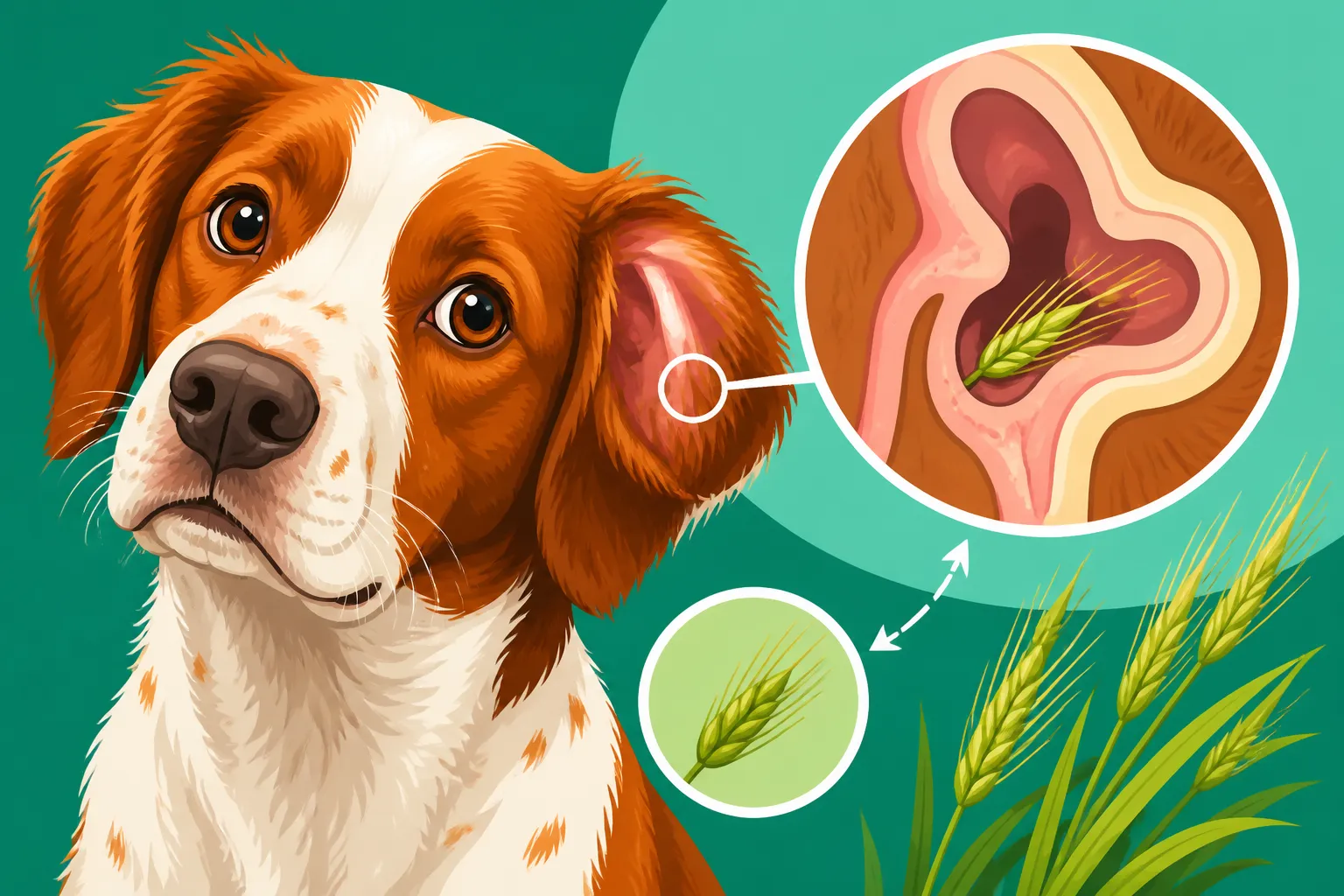
How Grass Seeds Get Into a Brittany’s Ear
There's nothing quite like the sight of your Brittany, tail blurring, nose to the ground, working cover like the champion they are. But sometimes, that joyous, head-down charge through tall grass brings an unwelcome souvenir: a pesky, painful grass seed lodged deep in their ear. It's a frustrating, all-too-common problem for us Brittany owners, leaving our active dogs shaking their heads in misery and us wondering how on earth those tiny barbs made their way so far inside. This guide is dedicated to shedding light on the insidious journey of grass seeds into a Brittany's ear, explaining why our beloved breed is particularly susceptible, and offering practical advice on prevention and intervention.
The Anatomy of a Brittany's Ear: A Perfect Trap
Brittanys are renowned for their beautiful, expressive ears, often set high and framing their intelligent eyes. But these very features, so beloved in our breed, also create an unfortunate vulnerability when it comes to foreign objects like grass seeds. It’s not just bad luck; it’s a design flaw, if you will, that makes them prime targets for these tiny invaders.
The Pendulous Ear Flap
Think of your Brittany's floppy, pendulous ear flap as a natural scoop or funnel. When they're quartering a field, nose searching for scent, those ears are sweeping through grass, brush, and undergrowth with every stride. Unlike breeds with upright ears, which allow debris to fall away more easily, a Brittany's ear hangs down, creating a warm, dark, and often moist environment underneath. This creates a perfect, protected pathway for seeds and other foreign matter to enter and then get trapped.
Imagine your dog running through a field of wild oats or foxtails. Each time their head dips and swings, that ear flap acts like a net, effortlessly catching seeds from the surrounding vegetation. Once a seed is nestled against the inner surface of the flap or at the entrance to the canal, it's already halfway to becoming a major problem. The natural motion of running, jumping, and even just shaking their head can propel that seed further inward, past the initial defenses. This is a common concern, and understanding that their very anatomy predisposes them can help you be more vigilant. For more on this, you might find "Why a Brittany's Drop Ear Traps Water" insightful.
The L-Shaped Ear Canal
Beyond the outer ear flap, the internal structure of a dog's ear canal is notoriously complex, making it incredibly difficult for anything that gets in to get out. Unlike humans, whose ear canals are relatively straight, a dog's ear canal takes an "L-shaped" turn. It begins with a vertical section, running downwards from the opening, and then takes a sharp 90-degree turn into a horizontal section, which leads to the eardrum.
This unique anatomy is fantastic for protecting the delicate inner ear structures from external trauma, but it's a nightmare when a foreign object, particularly a barbed grass seed, enters the scene. A seed can easily tumble down the vertical canal, then get lodged at that crucial bend. Once past the initial entrance, gravity and the dog's own movements (like shaking their head) can drive the seed deeper into the horizontal canal. This deep lodging makes it nearly impossible for the dog to dislodge it on their own and requires specialized tools for safe removal. It's a key reason why self-treatment is rarely effective and often risky. Keeping this complex canal clean is paramount, and you can learn more about this in "How Often a Brittany's Ears Need Cleaning."
The Protective and Problematic Ear Hair
Brittanys, like many sporting breeds, have lovely feathering around their ears and often a fair amount of hair growing inside the ear canal itself. In some ways, this hair serves a protective purpose, helping to filter out dust and debris. However, when it comes to insidious little grass seeds, this hair can actually become part of the problem.
Fine, wispy hairs inside the ear canal can act like Velcro, catching and holding onto seeds that enter. As the dog shakes its head in an attempt to relieve irritation, the movement can cause these hairs to push the seed further down the canal, rather than helping to expel it. The barbs on many grass seeds, like foxtails, are designed to move in one direction, burrowing forward, not backward. The ear hair, combined with the L-shaped canal, becomes a perfect conduit for this one-way journey. Many owners debate whether to trim this internal hair, and while some grooming might help, it's a careful balance, as over-trimming can also remove some natural protection and cause irritation. Consider "Whether a Brittany's Ear Hair Should Be Trimmed" for further reading on this topic.
How Brittanys Encounter Grass Seeds in the Field
The very nature of a Brittany — their relentless drive, their love for cover, and their unwavering focus on scent — puts them at high risk for encountering grass seeds. It's part and parcel of what makes them such exceptional hunting companions, but it also means we, as owners, need to be extra vigilant.
Running Through Tall Grass and Weeds
This is, without a doubt, the number one way grass seeds find their way into a Brittany's ears. Brittanys are bred to be upland bird dogs, which means spending hours pushing through fields of tall fescue, switchgrass, brome, and other herbaceous cover where pheasants, quail, and grouse love to hide. During the late summer and fall, when these grasses have gone to seed, the environment becomes a minefield of potential ear invaders.
Picture your Brittany, head down, immersed in a sea of waving grass, working a scent. Their ears are constantly brushing against the seed heads. The barbed awns of particular culprits like foxtails (also known as cheatgrass, spear grass, or needle grass, depending on your region) are like tiny, biological harpoons. These seeds are specifically evolved to cling to animal fur and burrow into skin, paws, and yes, ears. With each movement, the seeds adhere to the ear flap, then work their way to the entrance of the canal. The sheer volume of seeds encountered during a typical hunt makes it almost inevitable that some will try to hitch a ride. These aren't just minor irritations; they are serious threats that can lead to significant problems, as detailed in "The Injuries a Brittany Picks Up in the Field" and "Where a Foxtail Lodges in a Brittany."
Head Shakes and Scratching
It's a cruel irony that a dog's natural reaction to an itch or irritation can actually make a grass seed problem worse. Once a seed has landed on the outer ear or just inside the ear canal, it immediately causes discomfort. Your Brittany's first instinct will be to shake their head vigorously, often pawing at the affected ear.
While this action might dislodge a simple piece of dirt, it’s counterproductive for grass seeds. The microscopic barbs on these seeds are designed to prevent backward movement. Every shake of the head, every scratch with a back paw, only serves to drive the seed further and further down the L-shaped ear canal. This creates a self-perpetuating cycle: the seed causes irritation, the dog shakes its head, the seed burrows deeper, causing more irritation, and so on. This makes it incredibly difficult for the dog to clear the problem on their own, cementing the need for human intervention. Observing these behaviors closely is key to early detection.
Water Exposure
While water itself doesn't directly insert grass seeds, it can certainly exacerbate the problem once a seed is present or increase the likelihood of one lodging deeply. Many hunting Brittanys love water, whether it's retrieving from a pond, running through dewy grass in the early morning, or encountering unexpected rain.
When a Brittany's ears become wet, the lining of the ear canal can swell slightly, and the hairs within the canal can become matted or sticky. If a grass seed is already lurking at the entrance of the canal, this damp environment can make it easier for the seed to adhere and travel deeper. Furthermore, once a seed is lodged, the moisture can cause it to swell, making it even more tightly wedged within the narrow ear canal. This combination of factors can make removal more challenging and increase the risk of secondary ear infections. It’s a good reminder that post-hunt care isn't just about drying their coat, but also paying close attention to those ears. The importance of drying those ears is highlighted in "Whether a Brittany's Ears Should Be Dried After Water."
Recognizing the Signs and Taking Action
Catching a grass seed problem early is crucial for preventing serious complications. As diligent Brittany owners, we need to be tuned into the subtle and not-so-subtle cues our dogs give us. Ignoring these signs can lead to painful infections, eardrum damage, and even costly surgeries.
Early Warning Signs of a Seed Problem
Your Brittany is generally a stoic breed, but even they can't hide the discomfort of a foreign object in their ear for long. After a day in the field, especially if they've been working through seeding grasses, be extra vigilant. The most common early signs include:
- Persistent Head Shaking: This is often the first and most obvious indicator. Unlike a quick shake to dry off, this shaking is repetitive, often focused on one side.
- Paw Swiping or Scratching at the Ear: Your dog might repeatedly try to relieve the itch or pain by pawing directly at the affected ear or rubbing it against furniture or the ground.
- Holding One Ear Lower: You might notice your Brittany holding one ear tilted down or pinned back, indicating discomfort in that particular ear.
- Reluctance to Have the Ear Touched: A usually tolerant dog might flinch, whimper, or even snap if you try to examine the sore ear.
- Changes in Behavior: They might seem unusually quiet, listless, or irritable due to constant discomfort.
- Visible Redness or Discharge: While often a sign of a secondary infection, you might spot redness around the ear opening or a small amount of dark discharge.
- Unusual Odor: A foul smell emanating from the ear is a strong indicator of infection, which can quickly follow a lodged foreign body.
Don't dismiss these signs. If you notice any of them, a thorough check of the ear is warranted. Remember, early detection can make a huge difference in treatment and outcome. These signs are often similar to those of an ear infection, which you can read more about in "Signs a Brittany's Ear Is Infected."
The Urgency of Vet Intervention
Let me be absolutely clear: if you suspect a grass seed has made its way deep into your Brittany's ear, this is not a DIY project. Attempting to remove a deeply lodged seed yourself with tweezers or cotton swabs can be incredibly dangerous. You risk pushing the seed further in, perforating the eardrum, or causing internal damage that can lead to permanent hearing loss or severe infection.
A veterinarian has the specialized equipment and expertise to safely remove a foreign body from the ear canal. They will use an otoscope, which is a lighted instrument, to visualize the ear canal and identify the seed. Often, they will need specialized long forceps or an alligator forcep to carefully grasp and extract the seed without causing further trauma. In many cases, particularly if the seed is deeply embedded or the dog is in severe pain, sedation or even general anesthesia may be required to ensure a calm, safe, and thorough removal. It’s an investment in your dog's health that prevents far more costly and painful complications down the line. Unexpected vet bills for these sorts of incidents can be daunting, but having pet insurance, such as through Healthy Paws, can provide immense relief by covering a significant portion of these diagnostic and treatment costs. Knowing you’re covered allows you to make the best decisions for your dog without financial stress. This type of intervention can certainly add up, so understanding "What a Brittany's Field Injuries Cost in a Season" is helpful.
Prevention Strategies
While you can't completely eliminate the risk of grass seeds if your Brittany spends time in cover, you can significantly reduce it with diligent preventative measures. Being proactive is the best defense against these tiny, barbed threats.
-
Meticulous Post-Hunt Checks: This is paramount. After every single outing in grassy or brushy areas, take the time to thoroughly inspect your Brittany. Pay special attention to their ears. Gently lift the ear flap and visually inspect the entrance to the ear canal. Run your fingers over the entire ear flap and through the feathering, feeling for any sticky burrs or seeds. Don't forget to check between their toes, in their armpits, and in their groin area, as seeds can lodge there too. A quick brush-down with a stiff brush can also help dislodge seeds before they have a chance to burrow. This routine should be as habitual as refilling their water. For a full rundown, see "What to Check on a Brittany After Every Outing."
-
Strategic Grooming: While excessive hair plucking in the ear canal is debated, keeping the hair around the ear opening and the longer feathering on the outside of the ear trimmed shorter can help. This reduces the surface area for seeds to latch onto and makes them easier to spot and remove. If your Brittany's ear hair is very dense inside, discuss safe trimming options with your vet or a professional groomer.
-
Ear Protection: For Brittanys that spend extensive time in very dense, seedy cover, some owners opt for ear snoods or wraps. These are fabric covers that go over the ears, preventing seeds from entering. While they might look a bit goofy, they can be highly effective in high-risk environments.
-
Awareness of "Hot Spots": Know which grasses in your hunting grounds or local parks are notorious for producing barbed seeds. Foxtails are a particular menace in many parts of North America. If you know you'll be in an area with a high concentration of these, extra vigilance is warranted.
-
Routine Ear Cleaning and Drying: Regular cleaning with a vet-approved ear cleaner can help remove wax and debris that might trap seeds. After swimming or wet conditions, thoroughly dry your Brittany's ears to prevent a damp environment where seeds might thrive or swell. "How Often a Working Brittany Gets an Ear Infection" offers more tips on ongoing ear care.
By integrating these strategies into your routine, you can significantly reduce the chances of a grass seed wreaking havoc on your Brittany's sensitive ears. Proactive care is a cornerstone of responsible pet ownership, a philosophy that many pet insurance providers like Healthy Paws champion, supporting owners who prioritize their pets' long-term well-being through both preventative measures and necessary treatments.
Here’s a quick checklist to help you stay on top of ear health during the hunting season:
| Post-Hunt Ear Check Item | Description | Frequency |
|---|---|---|
| Outer Ear Flap | Visually inspect the exterior and interior of the ear flap for seeds, burrs, or any plant material. | After every outing, especially in tall grass or brush. |
| Inner Ear Entrance | Gently lift the ear flap to expose the opening of the ear canal. Look carefully for any visible seeds. | After every outing. |
| Feathering | Use your fingers or a comb to thoroughly check through the long feathering on the ears and around the face. | After every outing, paying attention to mats. |
| Smell & Discharge | Gently sniff your Brittany's ears. Note any unusual or foul odors. Check for redness, swelling, or any type of discharge (waxy, purulent). | Daily, or after every outing if your dog is prone to ear issues. |
| Behavioral Cues | Continuously observe your dog for head shaking, pawing at the ears, tilting the head, or showing sensitivity to touch. | Ongoing observation throughout the day. |
| Drying Protocol | If your Brittany's ears have gotten wet (dew, rain, swimming), ensure they are completely dry to prevent moisture from trapping seeds or encouraging infection. | Immediately after any water exposure. |
Disclaimer
The information provided in this article is for educational purposes only and is not a substitute for professional veterinary advice. Always consult with a qualified veterinarian for any health concerns or before making any decisions about your Brittany's medical care.