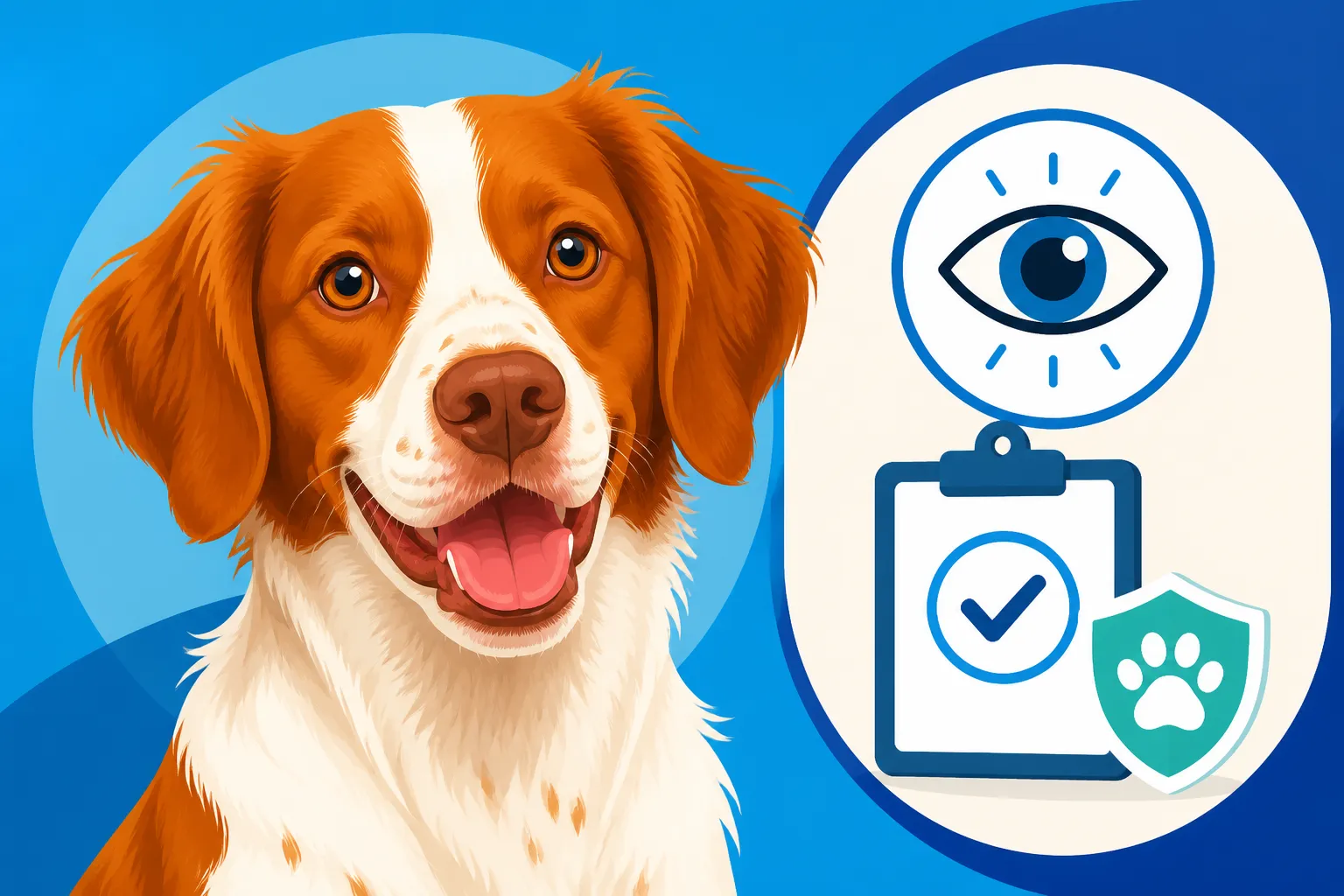
How Often a Brittany’s Eyes Should Be Certified
It's incredibly frustrating when you want to be a responsible dog parent, especially to an active breed like a Brittany, but feel overwhelmed by all the health recommendations and tests out there. Figuring out how often to get your Brittany's eyes checked and what those certifications actually mean can feel like deciphering a secret code. This guide will cut through the confusion, explaining exactly why and how often your beloved Brittany's eyes should be professionally certified to safeguard their vision and overall well-being.
Understanding Eye Certifications for Your Brittany
Bringing a Brittany into your home means committing to a lifetime of care, and their eyes are a crucial part of that. These energetic, intelligent dogs rely heavily on their vision for hunting, playing, and navigating the world around them. While The Brittany Is One of the Healthiest Sporting Breeds overall, specific health checks are still vital.
Why Eye Certifications Matter for Brittanys
You might wonder why a vet simply checking your dog's eyes during a regular check-up isn't enough. The truth is, many serious eye conditions aren't obvious to the untrained eye, or even to a general veterinarian without specialized equipment. Eye certifications are performed by board-certified veterinary ophthalmologists who have the expertise and tools to detect subtle signs of inherited eye diseases. For Brittanys, specific concerns like Retinal Dysplasia in a Brittany Spaniel and Glaucoma in a Brittany Spaniel can emerge, and early detection can be critical for management or even preserving sight.
Imagine your Brittany, full of vigor, suddenly struggling to track a bird in the field, or bumping into furniture at home. These could be late-stage signs of a problem that could have been identified much earlier. Regular certifications help catch these issues before they become debilitating, allowing for timely intervention and better outcomes. It's about proactive care, giving your dog the best chance at a long, sighted life. Moreover, if you're considering breeding your Brittany, these certifications are non-negotiable to prevent passing on genetic predispositions to future generations.
The Role of the OFA and CERF
When we talk about eye certifications, two main acronyms often come up: OFA and CERF. The Orthopedic Foundation for Animals (OFA) is a well-known organization that maintains a central database of health clearances for various canine conditions, including eye diseases. The Canine Eye Registry Foundation (CERF) used to be the primary organization for registering eye exam results but has since merged its operations with the OFA. So, when you hear "CERF exam" today, it generally refers to an OFA Eye Certification Exam.
These exams are conducted by veterinary ophthalmologists who are members of the American College of Veterinary Ophthalmologists (ACVO). They examine your dog's eyes for a comprehensive list of inherited and non-inherited eye conditions that are common in various breeds, including Brittanys. The results are then submitted to the OFA, which issues a certificate. This certificate provides an official record of your dog's eye health status at the time of examination. For breeders, this creates a transparent way to demonstrate their commitment to producing healthy puppies, providing peace of mind for prospective owners.
When to Start Eye Exams
For most Brittanys, especially those intended for breeding, the general recommendation is to start eye exams early. While a quick look at a puppy's eyes by a general vet is part of their initial check-ups, a full OFA Eye Certification Exam can typically be performed once the dog is old enough to cooperate fully and the structures of the eye are sufficiently developed for evaluation.
Many breeders will have their entire litter checked by an ophthalmologist before they go to their new homes, particularly if there's any concern about specific conditions or if it's standard practice for their lines. As a rule of thumb, an initial comprehensive eye exam should be done around 8-12 weeks of age, especially if the breeder wants to ensure the puppies are free of easily detectable congenital issues. This initial check is crucial for catching problems like severe retinal dysplasia, which might manifest early on. Beyond that, for general pet ownership, it's wise to discuss eye health with your regular vet during the puppy's routine vaccinations. For a deeper dive into early checks, you might want to read more about When a Brittany Puppy's Eyes Should Be Checked.
The Recommended Frequency for Brittany Eye Certifications
Understanding why certifications are important is the first step; next is figuring out how often these specialized exams should happen. It's not a one-size-fits-all answer, as various factors can influence the ideal frequency.
Annual Certifications for Breeding Dogs
If you have a Brittany that you plan to breed, annual eye certifications are absolutely critical. This isn't just a suggestion; it's a standard ethical practice among responsible breeders. The reason is simple: some inherited eye diseases can have a late onset, meaning a dog might appear perfectly healthy at two years old, but develop symptoms of a condition like progressive retinal atrophy (PRA) by age four or five. Annual checks ensure that potential breeding stock remains clear of these conditions throughout their breeding life.
Passing on genetic predispositions to eye diseases can lead to heartbreaking outcomes for puppies and significant financial burdens for their new families. Imagine the devastation of a puppy owner discovering their beloved Brittany is slowly going blind because a preventable genetic condition was passed down. Reputable breeders will always show you current, annual OFA Eye Certification results for both the sire and dam. Without this annual commitment, there's no way to confidently guarantee that the parents are free from genetic eye problems at the time of breeding, making it a cornerstone of what a Brittany Spaniel Breeder Should Have Tested.
Routine Checks for Pet Brittanys
Even if your Brittany isn't destined for the breeding program, regular eye health checks are still a good idea. While you might not need the formal "certification" stamp from the OFA every year, a thorough eye examination by your general veterinarian should be part of your dog's annual wellness check. Your vet can spot many common issues like conjunctivitis, corneal ulcers, or early signs of cataracts that aren't necessarily inherited but can still impact your dog's quality of life.
Think of it like your own annual physical; it’s about general maintenance and catching problems early. If your vet notices anything unusual during these routine checks, they will likely recommend a referral to a veterinary ophthalmologist for a more in-depth evaluation. This two-tiered approach ensures that your pet Brittany gets the benefit of specialist care when needed, without the added cost and hassle of an annual formal certification if not required for breeding purposes. It’s all part of ensuring your Brittany leads a happy and healthy life for The Twelve to Fourteen Years a Brittany Gets.
Factors Influencing Frequency: Age and Risk
The recommended frequency for eye exams can also shift based on your Brittany's age and any specific risk factors.
- Senior Brittanys: As Brittanys enter their golden years, typically after the age of ten, their eyes, like ours, become more susceptible to age-related changes. Conditions like cataracts and glaucoma become more prevalent. For these wise old dogs, more frequent checks, perhaps every 6-12 months, might be advised by your vet, especially if you're actively monitoring a developing condition. Caring for a Brittany Past Ten often involves more frequent veterinary visits in general, and eye health is a key component of that.
- Known Family History: If your Brittany comes from a line with a known history of a particular eye condition, even if your dog tested clear initially, your veterinary ophthalmologist might recommend more frequent screening for that specific condition. For example, if there's a history of late-onset glaucoma in the lineage, monitoring intraocular pressure more regularly could be a prudent step.
- Symptoms: Any sudden changes in your Brittany's eyes – redness, discharge, cloudiness, squinting, or changes in vision – warrant an immediate vet visit, regardless of when their last certification was. These are signs of acute problems that need prompt attention.
Here's a quick summary table to help you visualize the recommendations:
| Brittany Type | Recommended Eye Exam Frequency | Notes |
|---|---|---|
| Puppies (8-12 weeks) | Initial OFA Eye Certification (by ACVO Ophthalmologist) | Essential for catching congenital issues before placement. Often done by the breeder. Check on When a Brittany Puppy's Eyes Should Be Checked. |
| Breeding Dogs | Annually (OFA Eye Certification by ACVO Ophthalmologist) | Crucial to detect late-onset inherited diseases. Absolutely necessary before each breeding. |
| Adult Pet Dogs | Annually (Comprehensive eye exam by general veterinarian) | Part of routine wellness checks. Referral to ophthalmologist if abnormalities are detected. Whether the Brittany Is a Healthy Breed still suggests regular comprehensive care. |
| Senior Dogs (10+ years) | Annually or Bi-annually (by general vet or ophthalmologist) | Increased risk of age-related conditions like cataracts and glaucoma. Frequency may increase if managing existing conditions. |
| Dogs with Symptoms | Immediate veterinary attention | Any signs of redness, discharge, pain, or vision loss require an emergency visit, regardless of last exam. |
What Happens During an Eye Certification Exam
You might be feeling a bit nervous about what a specialized eye exam entails for your Brittany. Rest assured, veterinary ophthalmologists are highly skilled and gentle. The process is designed to be as stress-free as possible for your dog.
The Comprehensive Ophthalmic Exam
When you take your Brittany for an OFA Eye Certification Exam, it's far more in-depth than just a quick peek. Here's a breakdown of what typically happens:
- History and Initial Observation: The ophthalmologist will first take a thorough history from you, asking about your Brittany's general health, any previous eye issues, and current medications. They'll observe your dog's overall demeanor and how their eyes appear in natural light.
- External Examination: This involves carefully examining the eyelids, tear ducts, conjunctiva (the pink tissue lining the eyelids), and cornea (the clear front surface of the eye) for any abnormalities, irritation, or injury.
- Pupil Dilation: This is a crucial step. Eye drops will be administered to dilate your Brittany's pupils. This allows the ophthalmologist to get a much clearer view of the internal structures of the eye, particularly the lens and retina. You'll need to wait about 15-30 minutes for the drops to take full effect. During this time, your Brittany might become a bit light-sensitive, so a dim room is often preferred.
- Slit-Lamp Biomicroscopy: This tool is essentially a powerful microscope with a focused beam of light. It allows the ophthalmologist to examine the front structures of the eye (cornea, iris, lens) in great detail, looking for subtle changes like cataracts, inflammation, or structural anomalies that aren't visible to the naked eye.
- Indirect Ophthalmoscopy: Using a special lens and light source, the ophthalmologist can examine the back of the eye, including the retina and optic nerve. This is where they'll look for conditions like Retinal Dysplasia in a Brittany Spaniel or any signs of degeneration.
- Tonometry (Intraocular Pressure Measurement): In some cases, especially if Glaucoma in a Brittany Spaniel is a concern or as part of a routine comprehensive exam, the ophthalmologist might measure the pressure inside the eye. This is a quick and painless procedure using a tonometer, often without needing anesthetic drops.
The whole process usually takes about 30-60 minutes, not including the dilation waiting time. Your Brittany might have slightly dilated pupils for a few hours afterward, making them a bit sensitive to bright light, but this is temporary.
Interpreting the Results
After the examination, the ophthalmologist will discuss their findings with you. The results will be recorded on an OFA Eye Certification form.
- "Normal" or "Clear": This is the ideal outcome, meaning no evidence of inherited eye disease was found at the time of the exam. This is what breeding dogs need to achieve to contribute responsibly to the gene pool.
- "Breeder Option" or "Affected": If any abnormalities are found, they will be noted.
- "Breeder Option" might be assigned to a condition that is thought to be inherited but is mild, non-progressive, or of unknown significance, allowing a breeder to make an informed decision with their veterinarian.
- "Affected" means an inherited eye disease was detected. Dogs with "affected" status should generally not be bred.
The ACVO maintains a list of conditions considered inherited in various breeds. The ophthalmologist will categorize any findings according to these guidelines. For pet owners, understanding these results helps you proactively manage any conditions found and plan for your dog's future care.
Beyond Certification: Daily Eye Health
While professional certifications are paramount, your daily vigilance also plays a huge role in your Brittany's eye health. Regularly inspect your dog's eyes at home. Look for:
- Clear, bright eyes: They should be free of discharge, excessive tearing, or cloudiness.
- Pink membranes: The conjunctiva should be a healthy pink, not red or inflamed.
- Even pupils: Both pupils should be the same size and react to light.
- No squinting or rubbing: These are signs of irritation or pain.
If you notice anything concerning, don't wait for the next scheduled exam; contact your veterinarian. Keeping the hair around their eyes trimmed, especially their feathering, can also prevent irritation from debris or hair rubbing against the cornea. Additionally, if your Brittany enjoys diving into ponds or swimming, be mindful of potential irritants in the water. Just as you keep an eye out for Signs a Brittany's Ear Needs a Vet, regular visual checks of their eyes are a simple, free way to maintain their health.
Financial and Practical Considerations for Eye Health
It's natural to consider the costs and logistics involved in providing the best care for your Brittany. Eye certifications are an investment in your dog's health and your peace of mind.
The Cost of Eye Certifications
The cost of an OFA Eye Certification Exam can vary depending on your geographic location and the specific veterinary ophthalmologist's practice. On average, you can expect to pay anywhere from $150 to $250 for a full ACVO eye exam and OFA certification. This fee covers the specialist's time, the use of specialized equipment, and the submission of results to the OFA database.
While it might seem like a significant expense, especially if done annually for breeding dogs, consider it an essential part of responsible pet ownership. Compared to the potential costs of treating an advanced, undetected eye disease – which could involve expensive medications, surgeries, or ongoing specialist care – these preventive certifications can actually save you money in the long run. Moreover, knowing your dog is clear of inherited conditions can be invaluable. For a more detailed breakdown of annual costs, you might explore What a Brittany's Yearly Eye Certification Costs and What the Brittany Costs Per Month.
When budgeting for a new puppy, it's wise to factor in these kinds of routine health screenings. Many new owners are surprised by the full financial picture; a comprehensive guide to What the First Year With a Brittany Costs usually includes these specialized vet visits.
Finding a Board-Certified Veterinary Ophthalmologist
Locating a board-certified veterinary ophthalmologist is easier than you might think. The American College of Veterinary Ophthalmologists (ACVO) maintains an online directory of all its diplomates. You can search by state or zip code to find a specialist near you.
Simply visit the ACVO website (acvo.org) and look for their "Find a Veterinary Ophthalmologist" tool. Your general veterinarian can also provide referrals, as they often have established relationships with specialists in the area. Don't hesitate to ask for recommendations; finding a veterinarian you trust, whether a general practitioner or a specialist, is key to your Brittany's lifelong health.
Long-term Implications of Uncertified Eyes
Neglecting regular eye certifications and general eye health checks can have significant long-term implications, both for your Brittany's well-being and your wallet.
- Undetected Disease Progression: Without regular checks, an inherited condition might progress unnoticed until it's severe, painful, or untreatable. For example, conditions like progressive retinal atrophy lead to blindness, and early detection, while not preventing it, allows you to prepare and adapt your home environment for your dog.
- Increased Treatment Costs: Treating advanced eye diseases can be incredibly expensive. Surgeries for cataracts or glaucoma, specialized medications, and frequent follow-up visits can quickly add up to thousands of dollars. Early detection can sometimes mean less invasive or more effective, cheaper treatments.
- Quality of Life: Vision loss or chronic eye pain severely impacts a dog's quality of life. An active Brittany thrives on being able to see its surroundings, chase after scents, and interact with its family. Losing vision can lead to anxiety, depression, and a significant reduction in their ability to enjoy life.
- Breeding Concerns: For breeding animals, skipping certifications can perpetuate genetic diseases within the breed, contributing to a broader health problem. This undermines the efforts of responsible breeders who strive to improve the health of the Brittany breed.
Some pet insurance providers, like Healthy Paws, may cover aspects of veterinary care related to eye conditions, especially if they are not pre-existing conditions. However, routine certification exams are typically considered preventive care and might not be covered. It's always best to check with your specific policy to understand what is included, but pet insurance is definitely something to consider for unexpected illnesses or accidents.
Ultimately, staying on top of your Brittany's eye health with appropriate certifications and regular vet checks is an investment in their comfort, happiness, and ability to continue being the joyful, energetic companion you adore.
Disclaimer
This article is intended for informational purposes only and does not constitute veterinary advice. Always consult with a qualified veterinarian or a board-certified veterinary ophthalmologist regarding your Brittany's specific health needs and any concerns you may have. Medical recommendations can vary based on individual circumstances and evolve with new research.