Whether a Brittany With Muscular Atrophy Can Walk
It’s truly heartbreaking to learn your beloved Brittany might be facing a diagnosis that impacts their ability to move freely. Seeing a once vibrant, active dog struggle with basic actions like standing or walking is a profound worry for any owner, and Spinal Muscular Atrophy (SMA) brings with it a unique set of challenges. This guide is here to shed light on what SMA means for a Brittany, how it affects their mobility, and critically, how you can support them through every stage to ensure they maintain the best possible quality of life.
Understanding Spinal Muscular Atrophy in Brittanys
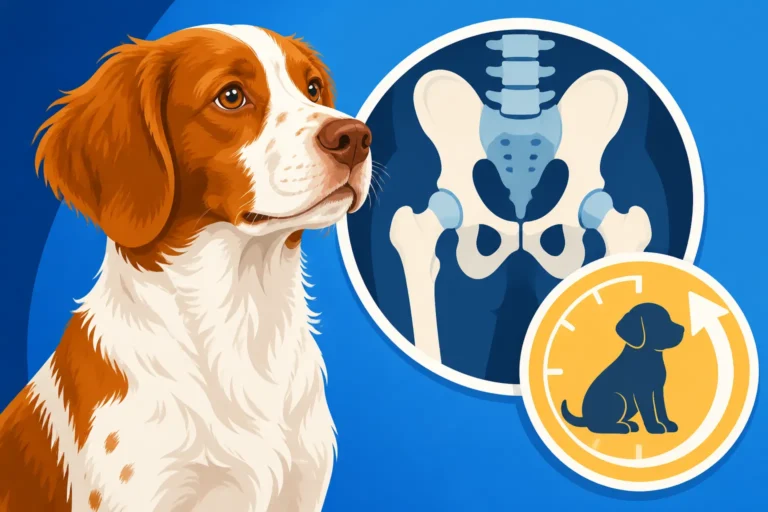
Spinal Muscular Atrophy (SMA) is a hereditary neurodegenerative disease that affects the motor neurons in the spinal cord. These neurons are crucial because they transmit signals from the brain to the muscles, telling them when and how to move. When these motor neurons degenerate, the muscles no longer receive the necessary signals, leading to muscle weakness, atrophy (wasting away), and ultimately, impaired movement. It's a condition that can manifest in various breeds, but Brittanys have a specific form with a known genetic basis, making it a particularly poignant concern for breed enthusiasts and owners.
The Genetic Roots of SMA in Brittanys
For our beloved Brittanys, Spinal Muscular Atrophy is an autosomal recessive condition. This means that a puppy must inherit two copies of the faulty gene – one from each parent – to develop the disease. Dogs that inherit only one copy are considered carriers; they don't show symptoms themselves but can pass the gene on to their offspring. Research has identified a specific mutation in the LIX1 gene as the culprit behind SMA in Brittanys. This genetic understanding is incredibly important because it allows responsible breeders to screen their breeding stock, aiming to reduce the incidence of this devastating condition. Knowing this information can also provide some answers and a path forward for owners whose dogs receive a diagnosis. For more on what a breeder should test for, you might find our guide on what a Brittany Spaniel breeder should have tested helpful.
Early Signs and Symptom Progression
The signs of SMA in Brittanys often begin subtly, making them easy to miss in an energetic puppy. Typically, symptoms start to appear between 3 to 17 weeks of age, though this can vary. Initially, you might notice a slight tremor, particularly in their hindquarters, or a general awkwardness in their gait. Perhaps they seem a bit wobbly, or they might struggle more than their littermates with activities like climbing stairs or jumping onto furniture. As the disease progresses, the muscle weakness becomes more pronounced. You might see a noticeable loss of muscle mass, especially over the hips and shoulders. Their movements become less coordinated, and they may fall or stumble more frequently. The age Spinal Muscular Atrophy shows in a Brittany can give you an idea of when to be most vigilant for these early indicators.
How Spinal Muscular Atrophy Weakens a Brittany
The relentless nature of SMA is its progressive weakening of the muscles. As the motor neurons in the spinal cord continue to deteriorate, the communication pathway to the muscles becomes increasingly compromised. This isn't just about strength; it's also about coordination. A Brittany with SMA isn't just weak; their brain isn't effectively telling their muscles how to work together. This leads to a characteristic bunny-hopping gait, a wide stance to maintain balance, and a general reluctance to move or engage in activities they once loved, like running or playing fetch. Over time, the muscle tissue itself shrinks, leading to visible atrophy. This aspect is crucial for understanding the disease's impact on their physical capabilities, as detailed further in our article, How Spinal Muscular Atrophy Weakens a Brittany.
The Impact of SMA on a Brittany's Mobility
This is often the core question for owners: can a Brittany with muscular atrophy walk? The answer is nuanced, depending heavily on the stage and severity of the disease. In the early stages, yes, they can walk, but their gait will likely be abnormal, and they will tire easily. As the condition advances, walking becomes increasingly difficult, requiring significant effort and coordination that their bodies can no longer provide effectively.
The Gradual Loss of Strength and Coordination
Imagine trying to run a marathon when your legs feel like jelly and your brain can’t quite tell them to move in sync. That’s somewhat akin to what a Brittany with SMA experiences. The progressive degeneration of motor neurons means a constant, uphill battle against muscle weakness. What starts as a slight tremor or an occasional stumble eventually evolves into a more significant struggle to stand up from a lying position, navigate uneven terrain, or even maintain balance while standing still. Owners often report their dogs starting to "sit" more often during walks or needing assistance to get into the car. This isn't just about physical limitation; it's a deep frustration for a breed known for its boundless energy and desire to be active.
Can They Walk? Different Stages of Mobility
In the initial phase of SMA, a Brittany might still be able to walk, run, and play, though perhaps with a noticeable tremor or an unusual gait. They might "bunny hop" with their hind legs together, or struggle on stairs. As the disease progresses, typically within months of the onset of symptoms, their mobility will become significantly compromised. They might manage a few steps before collapsing, or they may need support to get up. Eventually, many Brittanys with severe SMA will lose the ability to walk unassisted altogether.
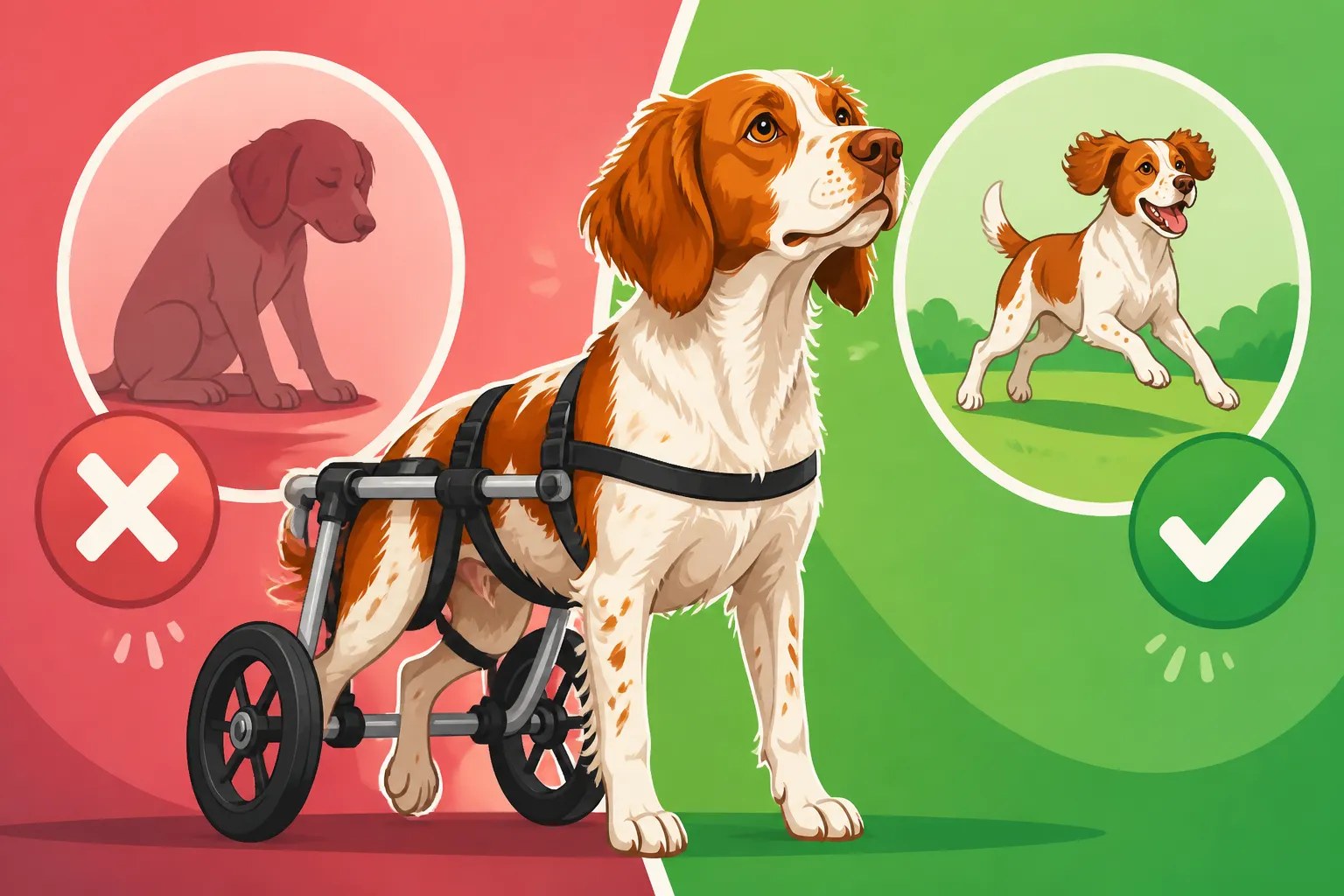
It’s a spectrum, not an on/off switch. Some dogs might maintain a limited ability to ambulate with assistance (like a sling or cart) for a longer period, while others decline more rapidly. The extent to which they can walk is directly tied to the severity of the motor neuron damage and the resulting muscle atrophy. This makes it crucial for owners to monitor their dog's mobility closely and adjust their environment and support as needed.
Challenges with Everyday Activities
Beyond just walking, SMA impacts nearly every aspect of a Brittany's daily life. Eating and drinking can become difficult if standing is a challenge, leading to the need for raised bowls. Navigating around the house can be hazardous due to slippery floors, stairs, or even low furniture. Social interaction might decrease if they can't keep up with other dogs or participate in family activities. Even something as simple as going to the bathroom can become a monumental task. The key is recognizing these challenges early and adapting their living space and routine to accommodate their changing needs, helping them retain as much independence and comfort as possible. For instance, if you suspect your Brittany is in pain, understanding How a Brittany Hides Pain can be incredibly important for early intervention.
Supporting a Brittany with SMA: Maintaining Mobility and Quality of Life
While there is currently no cure for SMA, the good news is that there's a lot you can do to manage the symptoms and significantly improve your Brittany's quality of life. This often involves a multi-faceted approach, combining veterinary care with attentive home management and therapeutic interventions. The goal is to maximize their comfort and preserve their remaining mobility for as long as possible.
Veterinary Care and Management Strategies
Regular veterinary check-ups are paramount. Your vet will monitor your Brittany's muscle mass, gait, and overall health. They can help rule out other conditions that might present similarly, like hip dysplasia – for which you can check our guide on Signs a Brittany's Hips Hurt – or neurological issues. While there are no specific medications to halt the progression of SMA, your vet might recommend supportive therapies. This could include nutritional counseling to ensure your Brittany gets adequate calories and muscle-supporting nutrients, as well as pain management if they develop secondary issues or discomfort from altered posture and movement. It's also worth discussing whether a Brittany needs joint supplements, as these might offer some comfort, especially as they compensate for weakness.
Physical Therapy and Exercise Adaptations
Physical therapy can be incredibly beneficial for Brittanys with SMA. A certified canine rehabilitation therapist can design a tailored program to help maintain muscle strength, improve balance, and prevent contractures (tightening of muscles and tendons). This might include gentle range-of-motion exercises, passive stretching, hydrotherapy (swimming in a controlled environment, which reduces weight-bearing stress), and therapeutic exercises using stability balls or cavaletti poles. The key is to keep muscles active without over-fatiguing or injuring your dog. Even short, supervised walks on soft surfaces can be helpful in the early stages. Remember, the goal is not to "cure" but to support and enhance their existing capabilities.
Environmental Modifications for Easier Movement
Making your home a safe and accessible haven for your Brittany is crucial. This means getting down on their level and looking for potential hazards.
Here's a table of useful environmental modifications and assistive devices:
| Modification/Device | Benefit for Brittany with SMA |
|---|---|
| Non-slip rugs/runners | Provide traction on slippery floors (hardwood, tile) to prevent falls and build confidence. |
| Ramps | Allow easier access to elevated surfaces (beds, couches, vehicles) without jumping or climbing stairs. |
| Raised food/water bowls | Reduce the need to bend down, alleviating strain on neck and forelimbs. |
| Harness with handles | Offers immediate support for standing, walking, or navigating stairs, especially for hindquarter weakness. |
| Dog booties/traction socks | Improve grip on smooth surfaces and protect sensitive paws. |
| Orthopedic dog bed | Provides firm, comfortable support, easing pressure on joints and muscles. |
| Dog wheelchair/cart | Allows a dog with significant hindquarter paralysis or weakness to move independently. |
| Baby gates | Restrict access to unsafe areas like stairs or rooms with slippery floors. |
These adaptations can make a world of difference in your Brittany's day-to-day life, allowing them to participate more fully in family activities and maintain a sense of normalcy. When considering these significant investments, understanding What a Brittany's First Aid Kit for a Brittany Should Hold can also be helpful for general preparedness.
Prognosis and Long-Term Care for Brittanys with SMA
Living with a Brittany diagnosed with SMA means accepting that their journey will likely be different from that of other dogs. It’s a progressive condition, and managing it requires commitment, adaptability, and a strong partnership with your veterinary team. While the long-term prognosis for a Brittany with severe SMA can be challenging, focusing on their comfort and joy is paramount.
Understanding the Disease's Progression
SMA in Brittanys is typically progressive, meaning the symptoms will worsen over time. The rate of progression can vary between individuals, but generally, dogs will experience increasing muscle weakness and atrophy. This doesn't mean a complete loss of quality of life, however. With diligent care, environmental adjustments, and therapeutic support, many Brittanys with SMA can still enjoy a loving and fulfilling life. It’s about adapting your expectations and celebrating every good day. It's important to keep in mind that how rare Spinal Muscular Atrophy is in Brittanys means that generalized prognosis can be difficult and individual cases vary greatly.
Ensuring Comfort and Dignity
As the disease advances, your Brittany's comfort becomes the top priority. This might mean investing in specialized bedding, ensuring they have easy access to food and water, and providing gentle, supportive physical contact. Regular grooming becomes even more important, as limited mobility can make self-grooming difficult, leading to matting or skin issues. You’ll also want to monitor their appetite and weight closely, as a decline in either can indicate discomfort or a need for nutritional adjustments. For general health monitoring, What a Brittany's Yearly Bloodwork Should Cover is a good reference, even if SMA is the primary concern.
Financially, the costs associated with long-term care – from vet visits and physical therapy to assistive devices and potentially medication – can add up. This is where pet insurance can be a true lifesaver. Companies like Healthy Paws, for example, are known for their comprehensive coverage, which can help alleviate the financial burden of managing chronic conditions like SMA. Having a reliable pet insurance plan in place means you can focus on providing the best care without constantly worrying about the budget. Healthy Paws can truly offer peace of mind when facing these unexpected, ongoing health challenges.
Emotional Support for Owners
Watching a beloved pet decline, especially from a neurological condition that robs them of their natural athleticism, is emotionally taxing. It's okay to feel sad, frustrated, or overwhelmed. Seeking support from your vet, a pet loss support group, or even fellow Brittany owners who understand the breed's unique spirit can be incredibly helpful. Remember that you are providing the best possible care and an abundance of love, and that in itself is a profound gift. While the disease course is different, many of the principles of caring for an aging dog apply, so articles like Caring for a Brittany Past Ten and What Changes in an Aging Brittany can offer general guidance on supporting a dog through significant life changes. The twelve to fourteen years a Brittany gets is precious, and every day you spend caring for them is a testament to your bond.
Disclaimer
This article is intended for informational purposes only and does not constitute veterinary advice. Always consult with a qualified veterinarian for any health concerns or before making any decisions about your pet's medical care.