Signs a Brittany’s Thyroid Is Low
It's incredibly frustrating when your active, lively Brittany suddenly seems to lose their spark, or you notice subtle changes in their coat or energy that you just can't quite pinpoint. As a dedicated Brittany owner, you want to address any health concerns head-on, but sometimes the signs of an underlying issue, like low thyroid, can be so gradual they're easy to overlook. This comprehensive guide is here to help you understand and identify the crucial signs that your beloved Brittany Spaniel's thyroid might be low, empowering you to seek timely veterinary care.
Understanding Hypothyroidism in Brittanys
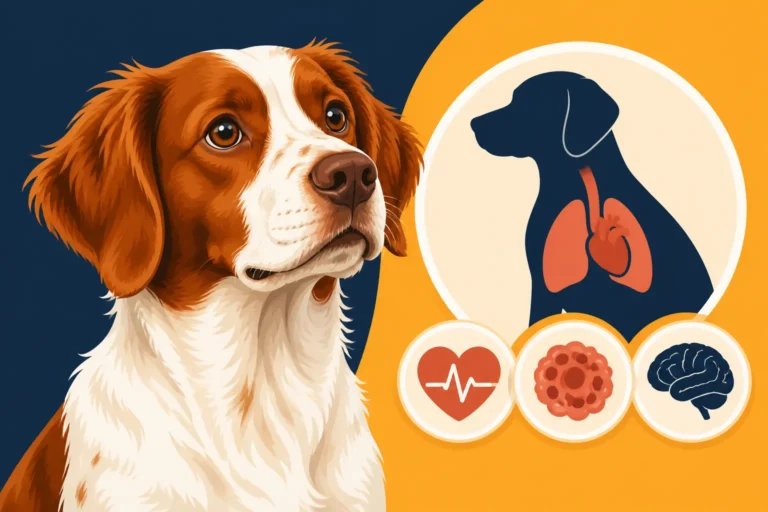
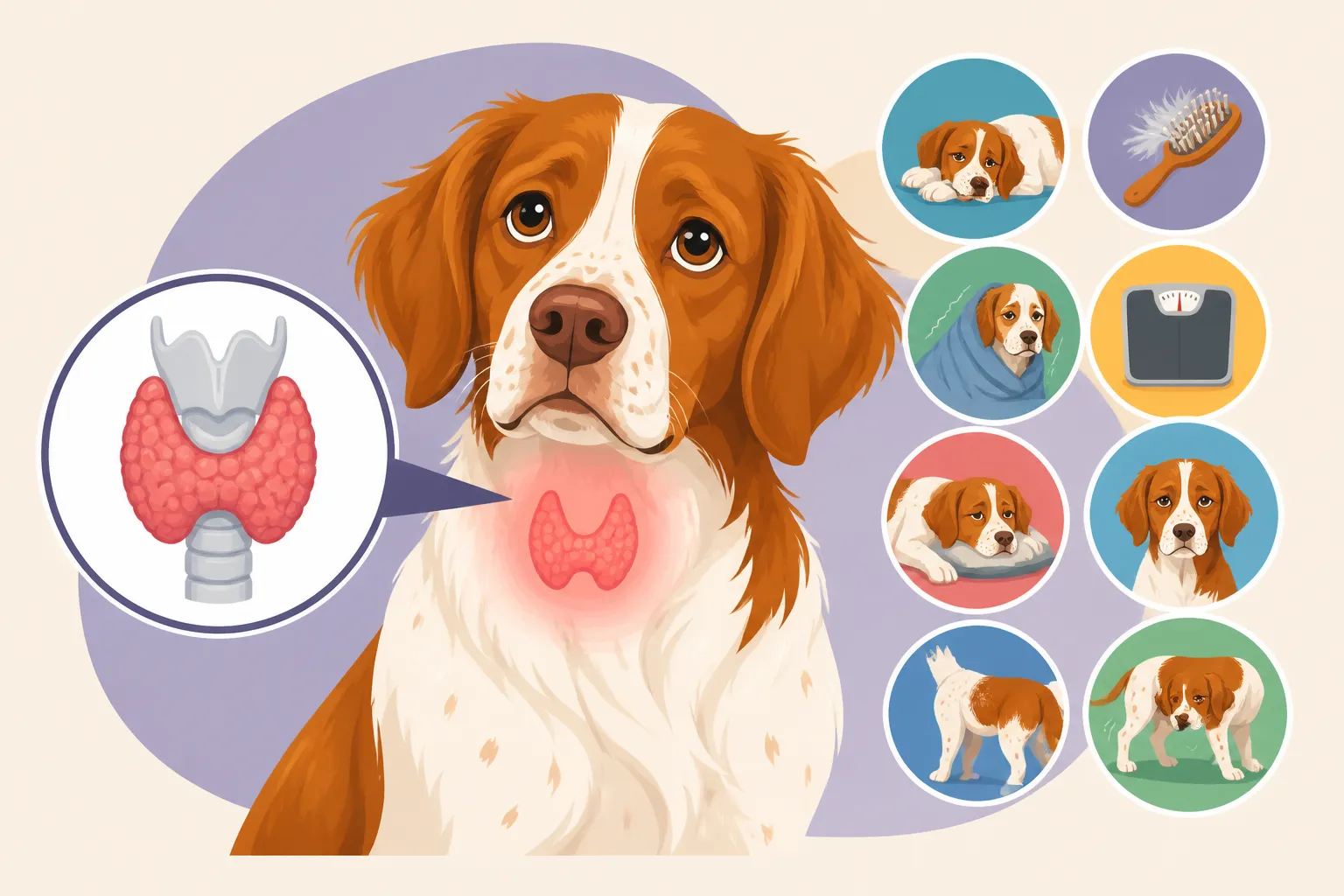
When we talk about a dog's thyroid, we're discussing a small, butterfly-shaped gland located in their neck that plays a massive role in almost every bodily function. It produces hormones that regulate metabolism, affecting everything from energy levels and body temperature to skin health and heart rate. If this gland isn't producing enough of these vital hormones, it leads to a condition called hypothyroidism, which can really throw a wrench into your Brittany's well-being.
What Hypothyroidism Means for Your Dog
In simple terms, hypothyroidism means your dog's metabolism is slowing down. Imagine trying to run a race, but your engine isn't getting enough fuel – that's kind of what's happening internally. This slowdown can manifest in a wide array of symptoms, making it a tricky condition to diagnose without proper testing. It's not usually a sudden, dramatic illness but rather a creeping change that can slowly diminish your dog's quality of life if left untreated. Many owners initially attribute these changes to aging or just a "lazy phase," unknowingly allowing the condition to progress.
Why Brittanys Are Prone to Thyroid Issues
While any dog can develop hypothyroidism, some breeds, including our spirited Brittanys, seem to have a higher predisposition. This isn't just anecdotal; studies and veterinary observations often highlight sporting breeds as being more commonly affected. The exact reasons aren't always clear-cut, but genetics are believed to play a significant role. If you have a Brittany, especially if you know its lineage, it's wise to be particularly vigilant for the signs. Regularly testing their thyroid, especially as they age, is a proactive step that can catch this condition early. You might be interested to know When a Brittany's Thyroid Should Be Tested.
The Role of the Thyroid Gland
The thyroid gland produces two main hormones: thyroxine (T4) and triiodothyronine (T3). These hormones are crucial for controlling the rate at which cells convert nutrients into energy. When the thyroid gland isn't functioning correctly, either due to immune-mediated destruction (the most common cause, where the body mistakenly attacks its own thyroid tissue) or atrophy of the gland, the levels of these hormones drop. This deficit then impacts various systems throughout the body, leading to the diverse symptoms we'll explore. It's a fundamental regulator, and when it's off, it throws a lot of other things out of whack.
Early and Subtle Behavioral Changes
One of the first places you might notice something is amiss with your Brittany is in their behavior and energy levels. These changes can be so subtle that you might initially dismiss them, but pay close attention, especially if your dog is usually a powerhouse of enthusiasm.
Lethargy and Reduced Activity Levels
Your Brittany is typically a bundle of boundless energy, always ready for a run in the field or a spirited game of fetch. So, when you notice them becoming less enthusiastic about their usual activities, or perhaps sleeping more than usual, it’s a red flag. They might seem generally "slowing down" or "getting old" prematurely. This isn't just about refusing a long hunt; it could be a reluctance to even go for a short walk around the block, or an unwillingness to engage in play with other dogs. Owners often feel a pang of worry when their normally indefatigable hunting companion suddenly seems to lose interest in the thrill of the chase. This isn't laziness; it's a symptom of a body struggling to maintain its metabolic pace.
Changes in Temperament and Mood
Beyond just a drop in energy, hypothyroidism can also impact a Brittany's temperament. You might observe them becoming more sluggish, perhaps a bit withdrawn, or even showing signs of irritability or anxiety. A usually friendly and outgoing dog might become more reserved, less keen on interaction, or even a little snappy when approached. This shift in personality can be particularly distressing for owners, as it feels like their beloved companion is becoming a different dog. It's important to differentiate these changes from typical aging behaviors, as low thyroid can contribute to a decline that feels much faster and more profound than expected.
Lack of Enthusiasm for Activities
Think about the joy your Brittany usually displays at the mention of "birds" or the sight of their leash. If that spark starts to dim, and they seem indifferent to things that once excited them, it's worth noting. Perhaps they don't eagerly greet you at the door anymore, or they pass up the opportunity to chase a ball. For a breed so driven by instinct and a desire to work, a marked decrease in their enthusiasm for hunting, training, or even just exploring the backyard can be a significant indicator. It's not just a passing mood; it reflects a deeper lack of internal drive caused by a lagging metabolism.
Physical Manifestations on the Coat and Skin
The skin and coat are often direct mirrors of internal health, and a Brittany with low thyroid will almost certainly show signs here. These changes can be quite noticeable, but sometimes mistaken for allergies or simple seasonal shedding.
Dull, Dry, or Brittle Coat
One of the most classic signs of hypothyroidism in dogs is a noticeable deterioration in coat quality. Your Brittany’s normally vibrant, water-resistant coat might start to look dull, dry, and brittle. It might feel coarse to the touch instead of soft and silky. This isn't just a cosmetic issue; it's a reflection of poor follicular health. The hair shafts become weaker, making them more prone to breakage, and the natural oils that keep the coat healthy and shiny aren't being produced in adequate amounts. You might find yourself brushing more often, only to feel like you're losing the battle against a perpetually lackluster coat.
Symmetrical Hair Loss
This is a very specific and telling sign. Hypothyroid dogs often experience hair loss that is symmetrical, meaning it occurs equally on both sides of the body. Common areas for this hair loss include the flanks, chest, and tail (often described as a "rat tail"). The skin in these areas might also appear thickened or hyperpigmented (darkened). What's interesting is that the hair on the head and legs is often spared. This distinct pattern of hair loss is a strong indicator pointing towards an endocrine imbalance rather than localized skin irritation or allergies. If you start to notice bald patches appearing evenly on both sides of your Brittany, it's definitely time to consult your vet.
Skin Issues Beyond the Usual
Beyond just hair loss and a dull coat, a Brittany with low thyroid can also develop other skin problems. This might include dry, flaky skin, often accompanied by dandruff, or even recurrent skin infections (pyoderma) because the skin's natural defenses are compromised. The skin might also become greasy, smelly, and prone to "hot spots." You might find yourself treating these secondary skin issues symptomatically, never quite getting to the root of the problem. If your Brittany seems to have persistent skin troubles that don't respond well to typical treatments, or if these issues crop up repeatedly, a thyroid check should be on the agenda. Remember that keeping track of these recurring issues is important for your vet, and services like Healthy Paws can assist with the costs of managing chronic skin conditions that may arise from such underlying problems. For comprehensive information, explore What Hypothyroidism Does to a Brittany.
Weight and Metabolic Indicators
Since the thyroid gland is the master regulator of metabolism, changes in a Brittany's weight and how their body handles temperature are significant clues that their thyroid might be underperforming.
Unexplained Weight Gain Despite Normal Eating
This is a scenario many owners find puzzling and frustrating. Your Brittany is eating the same amount, perhaps even less, and getting decent exercise, yet they're slowly but surely putting on weight. This isn't about overfeeding or lack of activity in the conventional sense; it's a metabolic slowdown. Their body isn't burning calories efficiently, leading to fat accumulation. You might even be cutting back on their food, only to see no change, or for them to continue gaining. This unexplained weight gain is a classic hallmark of hypothyroidism and often prompts owners to seek veterinary advice. It’s disheartening to see your fit hunting partner become pudgy despite your best efforts. You might want to review How Much an Adult Brittany Eats to compare.
Increased Sensitivity to Cold
Brittanys are generally quite hardy and enjoy being outdoors, but a hypothyroid dog might become unusually sensitive to cold temperatures. You might notice them seeking out warm spots more often, shivering when they normally wouldn't, or being reluctant to go outside in cooler weather. This happens because their internal thermostat is essentially malfunctioning. Their body isn't generating enough heat due to the slowed metabolism, making them feel perpetually chilly. If your usually resilient Brittany is suddenly shivering on a mild day or showing discomfort in temperatures they used to tolerate, consider it a significant sign.
Puffy Face and Swelling
In some more advanced cases of hypothyroidism, you might notice a peculiar puffiness in your Brittany's face, especially around the eyes, or even swelling in other parts of the body. This isn't typical fat gain; it's due to the accumulation of certain complex sugars and proteins under the skin, a condition known as myxedema. It gives the dog a somewhat tragic or sad facial expression. While not as common an early sign as lethargy or coat changes, it's a very distinctive indicator that immediately signals a potential thyroid issue to a veterinarian. If you see this, urgent veterinary attention is warranted.
Less Common, But Important, Clinical Signs
While the most common signs tend to revolve around energy, coat, and weight, hypothyroidism can, in some cases, lead to a variety of other, less typical symptoms affecting different body systems. These can sometimes be misdiagnosed if a thyroid panel isn't on the veterinarian's radar.
Neurological Symptoms
It might seem surprising, but a low thyroid can actually impact a Brittany's nervous system. In rare instances, hypothyroidism can lead to neurological signs such as weakness, paralysis (particularly of facial nerves), an uncoordinated gait (ataxia), or even seizures. While these symptoms are usually associated with other, more direct neurological conditions, it's critical to remember that the thyroid influences overall bodily function. If your Brittany is experiencing unexplained neurological issues, especially in conjunction with more typical hypothyroid symptoms, it's another reason to push for a comprehensive thyroid panel. Veterinary professionals might look for a range of possibilities, and it's good to ensure all avenues are explored.
Reproductive Problems
For intact Brittanys, especially breeding animals, hypothyroidism can manifest as reproductive problems. Females might experience irregular heat cycles, difficulty conceiving, or even stillbirths. Males could show reduced libido or infertility. This is because thyroid hormones are vital for proper reproductive function in both sexes. If you're breeding Brittanys and encounter unexplained fertility issues, thyroid function should certainly be investigated as part of the workup. These issues can be heartbreaking for breeders and highlight the wide-reaching impact of thyroid hormones.
Cardiac and Muscle Weakness
A chronically underactive thyroid can also have subtle effects on the heart and muscles. You might notice your Brittany exhibiting a slower heart rate (bradycardia), or they might show general muscle weakness and stiffness. This can contribute to the overall lethargy and reduced activity levels mentioned earlier. The muscles simply aren't getting the metabolic support they need to function optimally. Again, these aren't always the first or most obvious signs, but they can contribute to a general decline in health and vitality that an observant owner might pick up on. It underscores how critical this little gland is to the entire system.
When to Suspect Low Thyroid and Talk to Your Vet
Putting all these pieces together can feel overwhelming, but the most important thing is to trust your gut. If something feels "off" with your Brittany, it likely is. Being prepared to discuss your observations with your veterinarian is key to a timely diagnosis and effective treatment.
Gathering Your Observations
Before you head to the vet, take some time to jot down every change you've noticed, no matter how small. When did the lethargy start? Has the coat always been dull, or is this new? Is the weight gain recent or gradual? Do they shiver indoors more often? Keep a log of these observations, noting specific dates if possible. Also, mention any changes in appetite, water intake, or bathroom habits. The more detailed information you can provide, the better equipped your veterinarian will be to connect the dots and recommend the right diagnostic tests. This thoroughness is crucial for your vet.
The Diagnostic Process
Diagnosing hypothyroidism typically involves a blood test to measure the levels of thyroid hormones (T4 and sometimes T3) and often TSH (thyroid-stimulating hormone). There are different types of thyroid tests, from a simple total T4 to a more comprehensive thyroid panel that includes free T4, T3, and autoantibodies. Your vet will decide which tests are most appropriate based on your Brittany's symptoms and their initial examination. It's important to remember that some other illnesses can affect thyroid test results, so your vet might need to rule out other conditions. The good news is that What a Brittany's Thyroid Panel Costs is usually a manageable expense, especially when you consider the impact on your dog's long-term health. If you have pet insurance like Healthy Paws, these diagnostic costs are often covered, which can be a huge relief. You might also ask your vet about What a Brittany's Yearly Bloodwork Should Cover as part of routine health checks.
Managing Hypothyroidism
If your Brittany is diagnosed with hypothyroidism, the good news is that it's a very manageable condition. Treatment involves daily oral medication, typically synthetic thyroid hormone (levothyroxine). Once medication is started, you'll usually see a significant improvement in symptoms within a few weeks to a couple of months. Regular follow-up blood tests will be necessary to ensure your dog is on the correct dosage. This is a lifelong treatment, but with consistent care, your Brittany can regain their energy, a healthy coat, and their happy, enthusiastic self. It's truly incredible to witness the transformation once they're on the right medication. Services like Healthy Paws can often help with the ongoing costs of these essential medications and follow-up care, ensuring your Brittany gets the best treatment without undue financial stress. Understanding Caring for a Brittany Past Ten can also provide insights into managing chronic conditions as your dog ages.
| Symptom Category | Common Signs of Low Thyroid in Brittanys | Severity/Timing |
|---|---|---|
| Behavioral | Lethargy, increased sleeping, reduced play/hunt drive | Early & Gradual |
| Withdrawal, irritability, anxiety | Gradual | |
| Physical | Dull, dry, brittle coat, excessive shedding | Early to Moderate |
| Symmetrical hair loss (flanks, chest, tail) | Moderate | |
| Thickened, darkened skin, recurrent skin infections | Moderate to Advanced | |
| "Rat tail" (hair loss on tail) | Moderate to Advanced | |
| Metabolic | Unexplained weight gain despite normal eating/exercise | Early & Gradual |
| Increased sensitivity to cold, shivering | Moderate | |
| Puffy face, swelling around eyes (myxedema) | Advanced | |
| Other | Slow heart rate (bradycardia) | Moderate to Advanced |
| Muscle weakness, stiffness | Moderate to Advanced | |
| Reproductive issues (irregular heats, infertility) | Variable | |
| Neurological signs (ataxia, facial paralysis, seizures – rare) | Advanced & Rare |
It's clear that while the thyroid gland is small, its impact on your Brittany's overall health and happiness is immense. Recognizing these signs early and partnering with your veterinarian will ensure your companion continues to live a full, vibrant life.
Disclaimer
This article is for general informational purposes only and does not constitute professional advice. Laws, prices and regulations vary by location and change over time. Consult a qualified professional for guidance on your specific situation.