The Twelve to Fourteen Years a Brittany Gets
It's a question that tugs at every Brittany owner's heart: how many precious years do we truly get with these energetic, loving companions? The thought of our furry shadow no longer greeting us at the door, or the silence in the fields where their whistle once sang, is a hard one to bear. We pour so much love, training, and care into these dogs, and naturally, we want to maximize every single moment. This comprehensive guide is here to walk you through the typical lifespan of a Brittany Spaniel, explore the myriad factors that influence their longevity, and equip you with the knowledge and strategies to help your beloved bird dog live the fullest, healthiest life possible, right up to their golden years and beyond.
Understanding the Brittany's Typical Lifespan
When you bring a Brittany into your life, whether it's a boisterous puppy or a seasoned rescue, one of the first things you wonder is how long you'll have them by your side. It’s a natural human desire to know what to expect, especially with a dog that becomes such an integral part of the family and hunting team. Thankfully, the Brittany breed is generally known for its robust health and a relatively good lifespan compared to some other purebreds.
Average Lifespan Range
On average, a Brittany Spaniel can expect to live between 12 and 14 years. This is a pretty respectable age for a medium-sized, active sporting dog. Of course, this is just an average, and individual dogs can certainly live shorter or longer lives depending on a multitude of factors, some within our control and some simply part of the genetic lottery. Many dedicated owners celebrate their Brittanys reaching 15 or even 16 years, a testament to good breeding, diligent care, and perhaps a touch of good fortune. Conversely, some may face the heartbreak of losing their companion earlier due to unforeseen illness or accident. Understanding this range helps set realistic expectations while still encouraging us to strive for the very best for our dogs. If you're curious about the specifics, we have a detailed look into How Long a Brittany Spaniel Lives on Average.
What "Twelve to Fourteen Years" Really Means
When we talk about 12 to 14 years, it’s not just a number on a chart; it represents a full, active life cycle for a dog. For a Brittany, this means years of chasing pheasants through stubble fields, pointing quail in dense cover, countless hours of retrieving ducks from icy water, and endless runs in the park. It means a decade or more of early morning cuddles, patient waits by the backdoor, and enthusiastic tail wags every time you walk in. It encompasses their puppy antics, their prime working years, and their gentle, dignified senior phase. Each year brings new memories and strengthens the bond you share. It's a significant commitment, but one that Brittany owners consistently say is profoundly rewarding. It’s important to remember that these dogs are athletes, and maintaining their physical and mental health throughout these years is key to achieving that full lifespan.
Comparing Lifespan to Other Sporting Breeds
The Brittany's average lifespan truly stands out when compared to other popular sporting breeds. While some larger breeds might only reach 8-10 years, Brittanys typically enjoy a longer tenure with their families. This often makes them a particularly appealing choice for active individuals or families looking for a loyal, long-term companion for hunting or just an adventurous life.
Here's a quick comparison to illustrate:
| Breed | Average Lifespan (Years) |
|---|---|
| Brittany | 12 – 14 |
| German Shorthaired Pointer | 10 – 14 |
| Labrador Retriever | 10 – 12 |
| Golden Retriever | 10 – 12 |
| English Springer Spaniel | 12 – 14 |
| Vizsla | 10 – 14 |
| English Setter | 10 – 12 |
As you can see, the Brittany holds its own, often at the higher end of the spectrum for sporting dogs. This favorable statistic is a source of comfort for many owners, suggesting that with proper care, you have a good chance of many wonderful years with your dedicated bird dog. This inherent robustness is one of the reasons why many consider The Brittany Is One of the Healthiest Sporting Breeds.
Factors Influencing a Brittany's Longevity
While the average lifespan provides a general idea, it’s truly the daily choices we make as owners, combined with the inherent genetic blueprint of our dogs, that dictate how many wonderful years they will spend with us. It's a complex interplay of nature and nurture, where our proactive involvement can make a significant difference.
Genetics and Responsible Breeding
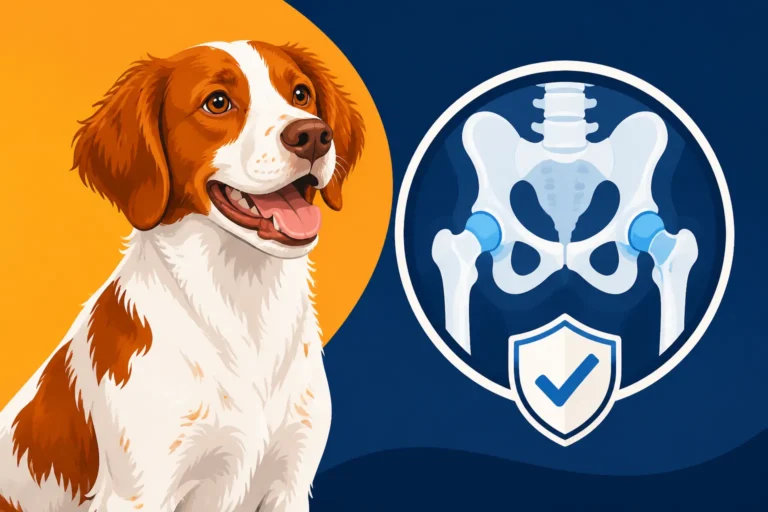
The foundation of a long, healthy life often begins long before a puppy ever comes home – it starts with responsible breeding practices. A well-bred Brittany from health-tested parents has a much better chance of avoiding hereditary conditions that could shorten their life or diminish their quality of life. Reputable breeders meticulously screen their breeding stock for common issues like hip and elbow dysplasia, eye diseases, and certain genetic disorders specific to the breed. For instance, understanding What Hip Screening Did for the Brittany Spaniel highlights the progress made in reducing the prevalence of this debilitating condition.
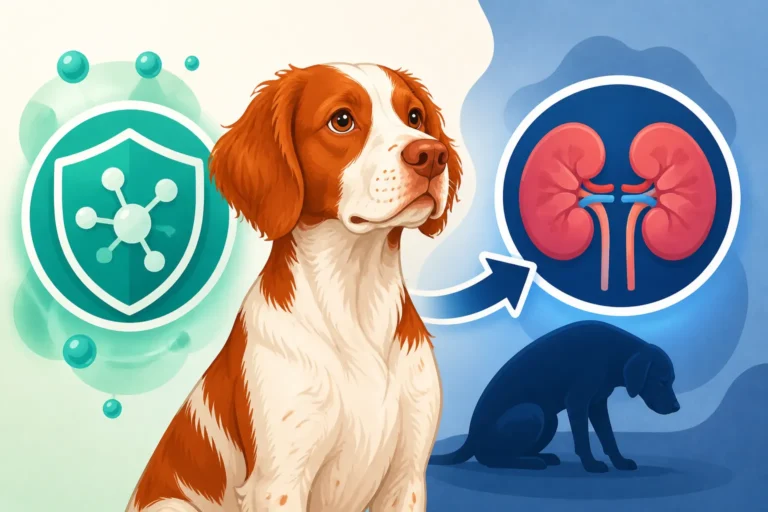
There are also specific genetic conditions, like C3 Deficiency Is the Brittany's Own Genetic Disease, that ethical breeders will screen for to avoid passing them on. When you choose a puppy from a breeder who prioritizes these health clearances and can provide documentation from organizations like the Orthopedic Foundation for Animals (OFA) or PennHIP, you’re making a proactive investment in your dog’s long-term health. Even if you're adopting a rescue, understanding their background and potential predispositions can help you be vigilant for certain health concerns. A solid genetic base is truly the bedrock upon which a long, vibrant life is built.
Nutrition and Diet's Role
Just like with us humans, what a Brittany eats directly impacts their health, energy levels, and ultimately, their lifespan. A high-quality diet provides the necessary nutrients to support muscle development, bone health, a shiny coat, and a robust immune system. This is especially crucial for active Brittanys who expend a lot of energy in the field. They need food that can sustain their demanding lifestyle.
However, it's not just about quality; it's also about quantity. Obesity is a silent killer for dogs, leading to a host of problems including joint issues, heart disease, diabetes, and a significantly shortened lifespan. It’s vital to feed appropriate portions for their activity level and age, keeping them at a lean, healthy weight where you can easily feel their ribs but not see them protruding. Regular monitoring of their weight, adjusting food as needed, and choosing a diet rich in quality protein and healthy fats can make a profound difference in their overall health and longevity. Your veterinarian is an excellent resource for helping determine the best nutritional plan for your individual Brittany.
Exercise and Mental Stimulation
Brittanys are not couch potatoes; they are born athletes with an insatiable drive to run, hunt, and explore. Providing consistent, appropriate exercise is paramount to their physical and mental well-being. Regular, vigorous activity helps maintain a healthy weight, strengthens muscles and joints, supports cardiovascular health, and burns off that boundless Brittany energy. An under-exercised Brittany is not only prone to destructive behaviors but can also suffer from muscle atrophy and a general decline in physical condition over time.
Beyond physical exertion, mental stimulation is equally important. Brittanys are intelligent dogs that thrive on having a "job" to do, whether it's hunting, retrieving, or engaging in scent work and puzzle toys. Boredom can lead to stress, anxiety, and even cognitive decline. Engaging their minds keeps them sharp, happy, and connected. A balanced routine that includes both physical exercise and mental challenges will keep your Brittany vibrant and youthful, helping them stay active well into their senior years. This comprehensive approach to their daily life plays a huge role in The Twelve to Fourteen Years a Brittany Gets.
Environmental Influences
The environment in which your Brittany lives also plays a crucial role in their overall health and lifespan. This includes everything from the physical safety of their surroundings to their exposure to toxins and stress. Ensuring a secure yard, preventing access to hazardous substances (like certain human foods, chemicals, or poisonous plants), and providing a safe, comfortable home environment are fundamental.
For working Brittanys, field safety is paramount. The outdoors, while stimulating, also presents risks from encounters with wildlife, potential injuries from challenging terrain, or even exposure to parasites and diseases common in certain areas. Being vigilant about tick and flea prevention, being aware of poisonous snakes, or understanding The Injuries a Brittany Picks Up in the Field are all part of responsible ownership. Reducing exposure to secondhand smoke, ensuring a comfortable temperature, and minimizing prolonged stressful situations can also contribute to a healthier, longer life. Just like us, a calm, safe, and stimulating environment allows a Brittany to thrive.
Common Health Challenges That Affect Lifespan
Even with the best breeding and care, Brittanys, like all breeds, can face certain health challenges. Being aware of these common issues can help owners recognize symptoms early, seek prompt veterinary care, and manage conditions effectively to preserve their dog's quality and length of life.
Genetic Predispositions
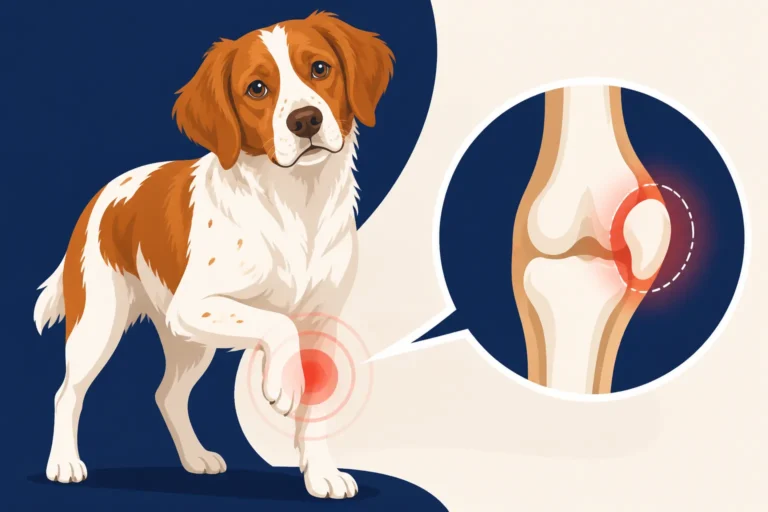
Despite careful breeding, some genetic predispositions can still emerge in Brittanys. Hip and elbow dysplasia remain a concern, although responsible breeding has made great strides. These conditions can cause pain, lameness, and ultimately arthritis, significantly impacting a dog’s mobility and comfort as they age. Early diagnosis and management, including medication, physical therapy, or even surgery, can greatly improve outcomes.
Another condition to be aware of is Epilepsy in a Brittany Spaniel. This neurological disorder can manifest as recurrent seizures, which can be frightening for owners to witness. While epilepsy cannot be cured, it can often be managed effectively with medication, allowing dogs to live full, relatively normal lives. Other less common genetic issues can include certain eye conditions or immune system disorders. Knowing your dog's lineage and potential genetic risks from your breeder is invaluable for proactive health management.
Injuries and Accidents in the Field
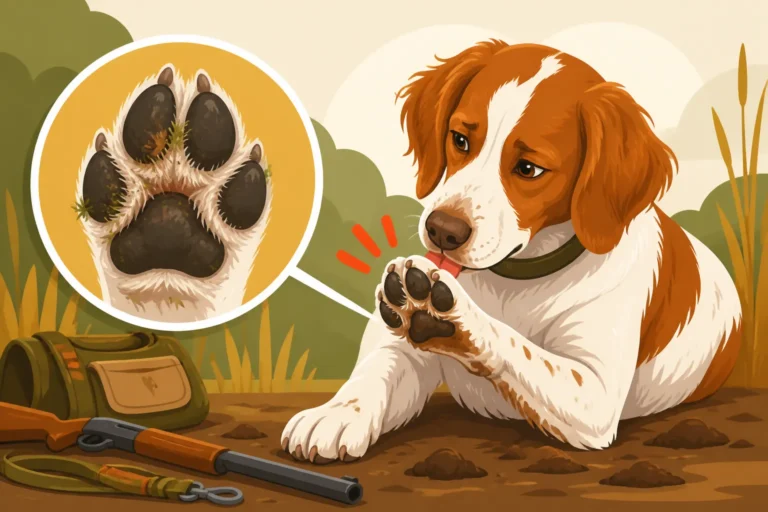
For the active, driven Brittany, field work is their passion, but it also comes with inherent risks. Lacerations from sharp brush or barbed wire, torn pads from rugged terrain, pulled muscles, or even more serious issues like snake bites or porcupine quills are unfortunate realities for hunting dogs. Overheating, especially during early season hunts or in warmer climates, is another significant danger.
Prompt and appropriate first aid, followed by veterinary attention, is crucial for these field-related injuries. A deep cut can become infected quickly, and a snake bite requires immediate, specialized treatment. Regular checks after every hunt for burrs, ticks, and small injuries, as detailed in What to Do With a Brittany After Every Hunt, are essential. Having a well-stocked canine first-aid kit and knowing how to use it can be a lifesaver. Accidents, by their nature, are often unavoidable, but preparedness and quick action can prevent minor issues from becoming life-threatening and ensure your Brittany bounces back to chase birds again. This is where having pet insurance, such as a plan from Healthy Paws, can be incredibly beneficial, helping cover the often substantial costs associated with emergency veterinary care and surgical interventions.
Age-Related Conditions
As Brittanys transition into their senior years, typically around age eight or nine, they become more susceptible to a range of age-related conditions. Arthritis is incredibly common, causing stiffness, pain, and reduced mobility. Dental disease, if not addressed throughout their lives, can lead to severe infections, pain, and impact overall health.
Other age-related concerns include:
- Hypothyroidism: A common endocrine disorder that can lead to weight gain, lethargy, and coat problems.
- Cancer: Unfortunately, like many breeds, Brittanys can develop various forms of cancer as they age. Regular physical exams and monitoring for new lumps or behavioral changes are vital for early detection.
- Organ Degeneration: Kidneys, liver, and heart can all experience a decline in function.
- Cognitive Dysfunction Syndrome (CDS): Similar to Alzheimer's in humans, leading to confusion, disorientation, changes in sleep patterns, and house-soiling.
Early detection and proactive management of these conditions can significantly improve a senior Brittany's quality of life and even extend their healthy years. Regular vet visits become even more critical during this stage of life to catch these issues early. We explore more about these changes in What Changes in a Brittany After Ten.
Preventative Care for a Long and Healthy Life
The old adage "an ounce of prevention is worth a pound of cure" rings especially true when it comes to the health of our beloved Brittanys. Proactive care throughout their lives, from puppyhood well into their senior years, is the single most powerful tool we have to maximize their lifespan and ensure those years are filled with vitality and joy.
Regular Veterinary Check-ups and Screenings
This cannot be stressed enough: consistent veterinary care is the cornerstone of a long and healthy life for your Brittany. Annual wellness exams, even when your dog seems perfectly healthy, are absolutely essential. These visits allow your vet to perform a thorough physical examination, check for subtle changes that might indicate an underlying issue, and discuss any concerns you might have. For instance, your vet can check their joints, listen to their heart and lungs, and examine their teeth and eyes.
As your Brittany ages, these visits might become even more frequent, perhaps twice a year. During these check-ups, your vet will often recommend routine screenings, such as blood work, to monitor organ function. We delve into What a Brittany's Yearly Bloodwork Should Cover to give you a better idea. These tests can catch issues like kidney disease, liver problems, or thyroid imbalances long before outward symptoms become apparent, allowing for earlier intervention and better management. Early detection of conditions like The Age a Brittany Gets Arthritis can allow for proactive pain management strategies, keeping your Brittany comfortable and active longer. Don't skip these appointments – they are a vital investment in your dog's future.
Vaccinations and Parasite Prevention
Protecting your Brittany from preventable diseases is another critical aspect of preventative care. Following your veterinarian's recommended vaccination schedule ensures they are immunized against common and potentially deadly diseases like rabies, distemper, parvovirus, and adenovirus. For Brittanys who spend a lot of time outdoors or in hunting environments, additional vaccines like leptospirosis and Lyme disease may be highly recommended. These diseases can be severe, costly to treat, and in many cases, fatal.
Equally important is year-round parasite prevention. Fleas, ticks, heartworms, and intestinal worms pose significant health threats. Ticks can transmit diseases like Lyme disease and anaplasmosis, while mosquitoes can transmit deadly heartworm disease. Regular deworming and consistent use of appropriate flea, tick, and heartworm preventatives are non-negotiable. Discuss with your vet the best and most effective products for your area and your Brittany's lifestyle. Being diligent about these preventatives will save your dog from uncomfortable, painful, and potentially life-shortening illnesses. Many owners find that having pet insurance, such as Healthy Paws, helps them feel more secure in seeking immediate veterinary care if their dog does contract a tick-borne illness or requires treatment for other parasites, without worrying as much about the immediate out-of-pocket costs.
Dental Care and Hygiene
Dental health is often overlooked but profoundly impacts a dog's overall well-being and longevity. Plaque and tartar buildup can lead to gingivitis and periodontal disease, which cause pain, difficulty eating, and bad breath. More alarmingly, bacteria from severe dental infections can enter the bloodstream and spread to vital organs like the heart, kidneys, and liver, causing serious systemic health problems and shortening your Brittany's life.
Establishing a routine of regular dental care is crucial. This includes daily or every-other-day tooth brushing with dog-specific toothpaste, offering dental chews or toys designed to reduce plaque, and scheduling professional dental cleanings with your vet as needed. During these professional cleanings, performed under anesthesia, your vet can thoroughly clean below the gumline, address any cavities or damaged teeth, and identify issues that wouldn't be apparent during a conscious examination. Investing in good dental hygiene throughout your Brittany's life is one of the easiest ways to prevent a cascade of more serious health issues down the road.
Recognizing the Signs of Aging in Your Brittany
It's bittersweet to watch our vibrant, tireless Brittanys begin to show the subtle, and sometimes not-so-subtle, signs of aging. One day they're charging through the fields like a rocket, and the next, you notice a slight hesitation before jumping into the truck. Recognizing these changes is crucial, not to mourn their youth, but to adapt their care to ensure their comfort and happiness in their golden years. Ignoring these signs can lead to unnecessary pain or a decline in their quality of life.
Physical Changes to Expect
As a Brittany enters its senior phase, typically starting around 8-10 years old, you'll begin to observe various physical changes. One of the most common is a reduction in their overall energy level and stamina. Those long, enthusiastic runs might become shorter, or they might prefer a leisurely stroll over a vigorous sprint. You might notice them sleeping more, or having a harder time getting up after a long nap. Their once sleek, vibrant coat might start to thin, become duller, or develop gray hairs, especially around the muzzle and eyes.
Mobility issues are also very common. Stiffness, particularly after resting, is a tell-tale sign of arthritis, and they might struggle with stairs, jumping onto furniture, or even just navigating slick floors. Their eyesight and hearing can also start to decline. They might bump into things in dimly lit rooms or not respond to commands as readily. Weight changes, either gain or loss, can occur due to a slower metabolism or underlying health issues. Keep a close eye on their body condition; sometimes Whether a Brittany Gets Hypothyroid Weight Gain can be a symptom of a treatable condition. It's a natural progression, but each change warrants attention and discussion with your vet.
Behavioral Shifts as They Age
Aging isn't just physical; it also brings about changes in a Brittany's behavior and cognitive function. A previously independent dog might become more clingy, seeking out your presence more often. Conversely, some might become more irritable or less tolerant of young children or other pets, especially if they are in pain or experiencing sensory decline. Their once bombproof house-training might lapse, leading to accidents indoors, which can be a sign of cognitive dysfunction, kidney issues, or even just reduced bladder control.
Changes in sleep patterns are also common. An older Brittany might sleep more during the day but become restless or disoriented at night, pacing or barking. They may seem confused or disoriented in familiar surroundings, sometimes getting "stuck" in corners or staring blankly. Their interaction with toys or their enthusiasm for walks might wane. These behavioral shifts can be heartbreaking to witness, but understanding that they are often a natural part of the aging process, or a symptom of an underlying medical condition, can help you approach them with patience and empathy.
Subtle Cues Not to Miss
Beyond the obvious changes, there are subtle cues that often go unnoticed but are critical for an aging Brittany's well-being. A slight lameness that comes and goes, a less enthusiastic wag of the tail, a subtle shift in appetite, or a change in their breathing patterns can all be indicators of underlying pain or health issues. Older Brittanys are notoriously stoic and excellent at hiding discomfort, especially if they are still driven to please or maintain their routine.
Watch for changes in their grooming habits, such as decreased self-grooming or excessive licking of certain areas. A sudden disinterest in their favorite activities, or an unwillingness to go on a walk they once loved, should raise a red flag. Pay attention to how they interact with you – a less enthusiastic greeting or a more hesitant approach can signal they're not feeling their best. These subtle cues are your Brittany's way of communicating that something isn't quite right, and they should prompt a visit to your veterinarian for a thorough check-up. Catching these early signs allows for interventions that can significantly improve their comfort and extend their quality years.
Caring for a Senior Brittany
Watching your agile, energetic Brittany slow down can be tough, but their golden years can be incredibly rich and rewarding with the right adjustments to their care. It’s all about adapting to their changing needs, ensuring they remain comfortable, engaged, and cherished. Providing specialized care for your senior companion is truly an act of love and a commitment to their lasting well-being.
Adjusting Diet and Exercise
As Brittanys age, their metabolism slows down, and their activity levels naturally decrease. This means their caloric needs will likely diminish. Continuing to feed them the same amount of food they ate in their prime can quickly lead to weight gain, which exacerbates joint problems and puts strain on their organs. Transitioning to a high-quality senior dog food, which is typically lower in calories and often contains joint-supporting supplements like glucosamine and chondroitin, can be highly beneficial. If your Brittany struggles with dental issues, softer foods or adding water to kibble can make eating more comfortable.
Exercise routines also need to be modified. While the desire to hunt or run may still be there, their bodies may no longer be able to keep up without discomfort or risk of injury. Instead of long, strenuous runs, opt for shorter, more frequent walks on softer surfaces. Swimming can be an excellent low-impact exercise for senior Brittanys, helping maintain muscle mass without stressing joints. Mental stimulation, however, remains crucial. Puzzle toys, gentle scent work, or short training sessions can keep their minds sharp and engaged without over-exerting their bodies. The goal is to keep them active and engaged within their comfort zone, not to push them beyond it.
Managing Pain and Mobility Issues
Arthritis and other orthopedic issues are almost inevitable in aging Brittanys. Managing their pain and supporting their mobility is paramount to maintaining their quality of life. This often involves a multi-modal approach combining several strategies. Your veterinarian might prescribe non-steroidal anti-inflammatory drugs (NSAIDs) to reduce pain and inflammation, or other pain medications specifically for dogs. Joint supplements containing glucosamine, chondroitin, and omega-3 fatty acids can also help support joint health and slow degeneration.
Beyond medication, physical therapy, hydrotherapy, or even acupuncture can provide significant relief. At home, making environmental modifications can make a huge difference. Provide orthopedic beds for comfortable resting, use ramps instead of stairs for getting into vehicles or onto furniture, and lay down non-slip mats on slick floors. Regular, gentle massage can improve circulation and reduce stiffness. Remember, a Brittany's stoic nature means they often hide pain, so consistent observation and proactive pain management are key to their comfort. Don't let your aging Brittany suffer in silence; there are many options to help them live comfortably. This is often where pet insurance, like Healthy Paws, really shines, by helping to cover the ongoing costs of pain management medications, specialized therapies, or even mobility aids that can drastically improve a senior dog's daily life.
Maintaining Mental Engagement
While a senior Brittany's body might be slowing down, their mind is still vibrant and needs stimulation to prevent cognitive decline. Boredom and lack of mental exercise can lead to disorientation, anxiety, and a faster progression of cognitive dysfunction. Continue to engage them in activities they enjoy, albeit at a slower pace.
Short, simple training sessions to reinforce basic commands or teach new, easy tricks can keep their brains active. Interactive puzzle toys that dispense treats can provide mental challenge. Gentle scent games, where they use their incredible noses to find hidden treats or toys, are fantastic for mental enrichment and don't require much physical exertion. Keeping their routine consistent can also reduce stress and confusion, especially if they are experiencing some cognitive decline. Spending quality time with them, offering gentle petting, and simply talking to them can also provide vital mental and emotional connection. Just because they are older doesn't mean they stop needing purpose and engagement. Providing this holistic care ensures they remain a happy, integral part of your family for The Twelve to Fourteen Years a Brittany Gets and beyond.
Making End-of-Life Decisions for Your Beloved Companion
This is undoubtedly the most heartbreaking aspect of dog ownership, a conversation we all dread but one that every loving Brittany owner will eventually face. Making end-of-life decisions for a pet is one of the hardest acts of love, and it requires immense courage, selflessness, and clarity.
Knowing When It's Time
One of the greatest challenges is recognizing when your Brittany's quality of life has diminished to a point where intervention is no longer humane, or where their suffering outweighs their joy. There's no single right answer, and it's a deeply personal decision, but it's one that should be made in consultation with your veterinarian, who can offer an objective assessment of their physical condition and prognosis.
Look for consistent signs of decline in core activities:
- Persistent pain: Unmanageable by medication, or pain that significantly limits their ability to move, eat, or rest comfortably.
- Loss of appetite/hydration: Refusing to eat or drink for extended periods, leading to weakness and dehydration.
- Inability to perform basic bodily functions: Incontinence that cannot be managed, or difficulty standing to relieve themselves.
- No interest in life: Withdrawal, lack of interaction, no response to favorite toys or people, or signs of severe depression.
- "Bad days" outnumber "good days": When the periods of discomfort or unhappiness far outweigh the moments of joy, comfort, or alertness.
It's natural to question your decision, to feel guilt, or to hope for a miracle. But remember, the goal is to prevent prolonged suffering. It's often better to make the decision a day too early than a moment too late. Your vet can guide you through a quality-of-life assessment, helping you evaluate your Brittany's daily experiences more objectively.
Supporting Your Brittany in Their Final Days
Once the decision has been made, or if you know your Brittany is rapidly declining, the focus shifts entirely to providing them with comfort, love, and dignity in their final days. This means prioritizing their physical and emotional needs above all else. Ensure they are free from pain, with medication adjusted as needed. Offer their favorite foods, even if they're not typically allowed, to encourage eating and bring them joy. Create a peaceful, warm, and quiet environment where they feel safe and secure.
Spend as much time with them as possible, offering gentle petting, soft words, and simply being present. If they enjoy it, take them on short, slow walks to their favorite spots, or let them lie in a sunny patch in the yard. Many veterinarians now offer in-home euthanasia services, which can provide a much more peaceful and less stressful experience for your Brittany, surrounded by their loved ones in the comfort of their own home. This final act of love, though heartbreaking, ensures they transition from this life with grace, free from pain, and knowing they were deeply cherished.
Coping with Grief
The loss of a Brittany Spaniel, especially after The Twelve to Fourteen Years a Brittany Gets of companionship, leaves a profound void. The grief you feel is real, valid, and deeply personal. Don't let anyone diminish your feelings or tell you "it was just a dog." Your Brittany was a family member, a loyal friend, and a hunting partner, and the bond you shared is irreplaceable.
Allow yourself to grieve. There's no right or wrong way to mourn, and no set timeline for healing. Talk to friends or family who understand your bond with animals. Consider joining a pet bereavement support group, or speaking with a counselor if your grief feels overwhelming. Memorializing your Brittany through photos, a paw print, a garden stone, or a donation in their name can also be part of the healing process. Remember the joy, the laughter, the adventures, and the unconditional love they brought into your life. While the pain of loss is immense, the love you shared will always be a part of you, a testament to the incredible impact these dogs have on our lives.
Disclaimer
Please remember that the information provided in this guide is intended for general informational purposes only and does not constitute veterinary advice. Always consult with a qualified veterinarian for any health concerns or before making any decisions about your Brittany's care, diet, or treatment. Individual needs can vary greatly, and professional veterinary guidance is essential for the best outcomes.