What an Aging Brittany’s Coat Looks Like
Watching your beloved Brittany spaniel age is a journey filled with mixed emotions. While their spirit might remain as vibrant as ever, their physical appearance, especially their beautiful coat, often starts to tell a different story. It’s completely normal to notice changes, and often these subtle shifts in their fur can leave us wondering if it's just a sign of age or something more. This guide is here to walk you through what to expect when it comes to an aging Brittany's coat, helping you understand the natural progression and how best to care for it.
The Graying of Their Gorgeous Coat
Just like us, Brittanys don't escape the march of time without a few silver threads appearing. It's one of the most visible and often heartwarming signs of their journey into their golden years. This process isn't sudden; it's a gradual transformation that starts in predictable places.
Where Gray First Appears on a Brittany
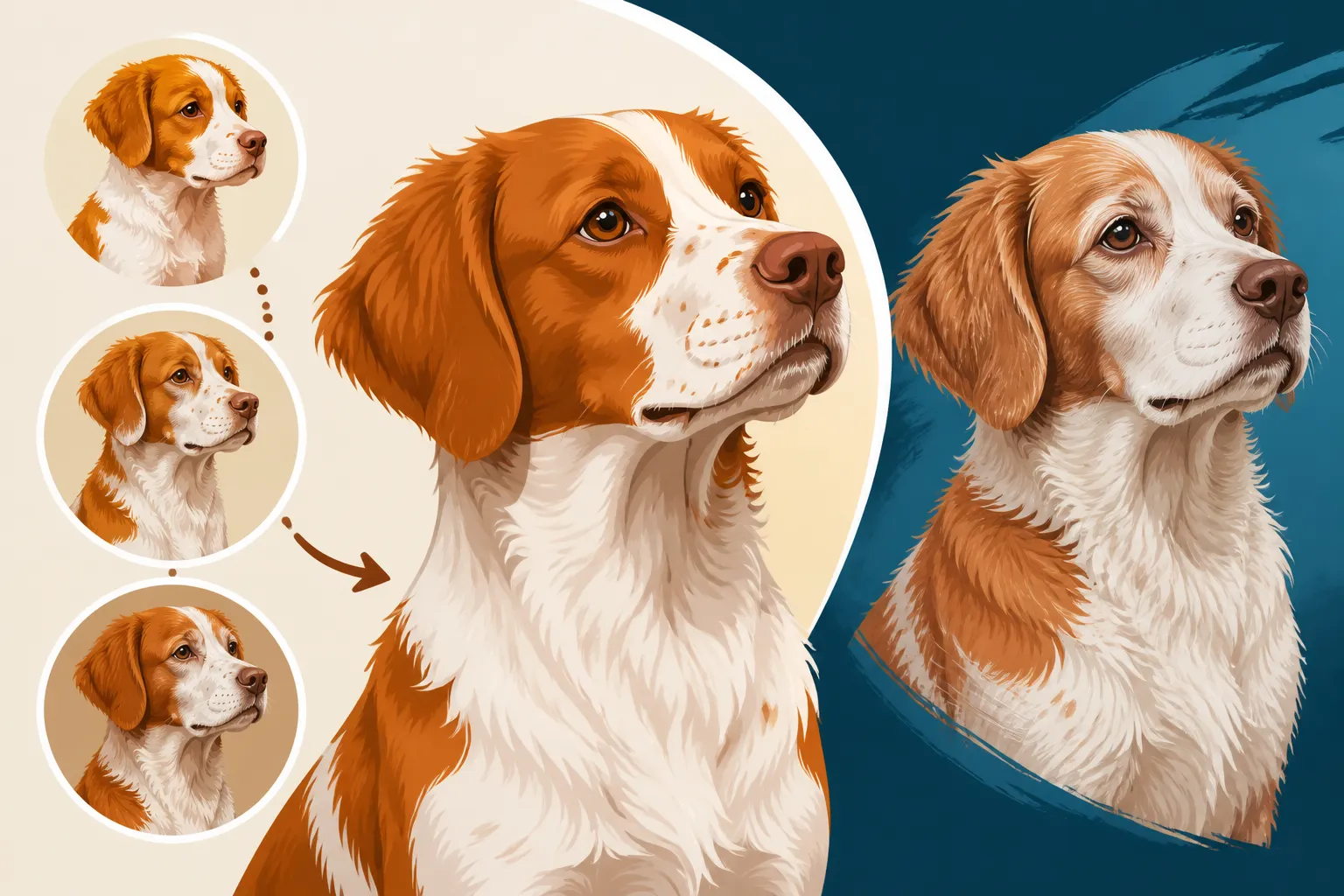
You'll likely notice the first hints of gray around your Brittany's muzzle and chin. It's almost like a gentle frosting that appears around their nose and mouth, making their sweet expressions even more endearing. This can start surprisingly early for some dogs, even in their mid-senior years, while others hold onto their youthful color a bit longer. From there, the gray often spreads to their eyebrows, giving them a thoughtful, distinguished look, and then slowly to their forehead and cheeks. It's a hallmark of an aging dog, and for Brittanys, whose faces are so expressive, it adds a certain wisdom to their gaze.
Beyond the face, you might also start to see scattered gray hairs appearing on their chest or along their back, especially in areas where their coat might be thinner or where they experience more friction. The intensity of this graying can vary greatly from one Brittany to another. Some will have a full white mask, making them look like a beloved snowy elder, while others will simply have a salt-and-pepper dusting that blends into their existing orange or liver markings. It’s all part of their individual aging process, a testament to the life they've lived by your side. You might find yourself reminiscing about their puppy days when you see these changes.
How Coat Color Fades or Changes
Beyond just turning gray, the overall richness and vibrancy of your Brittany's coat color can also subtly change. Those vivid orange or liver patches that once stood out so boldly might soften, appearing a bit more muted or faded. It's not necessarily a dramatic change, but rather a gentle lightening, as if the sun has kissed their coat over many seasons of outdoor adventures. This fading can be particularly noticeable on their back and sides, areas most exposed to sunlight and general wear and tear.
Sometimes, the white areas of their coat might also become less brilliant, perhaps taking on a slightly yellowish tint over time, especially if they spend a lot of time outdoors or have certain dietary factors at play. This isn't usually cause for alarm but is another aspect of their evolving appearance. It’s just one of the many ways you can observe What Changes in a Brittany After Ten. Think of it as their life story being written into their fur, each faded patch and silver strand a memory of a cherished moment. Regular bathing with a good quality shampoo can help keep these colors as bright as possible, but some fading is simply unavoidable with age.
Changes in Coat Texture and Density
Gray hair isn't the only transformation. An aging Brittany's coat can also undergo significant changes in its feel and thickness, impacting both its appearance and how you need to care for it.
The Coat Becoming Thinner or Coarser
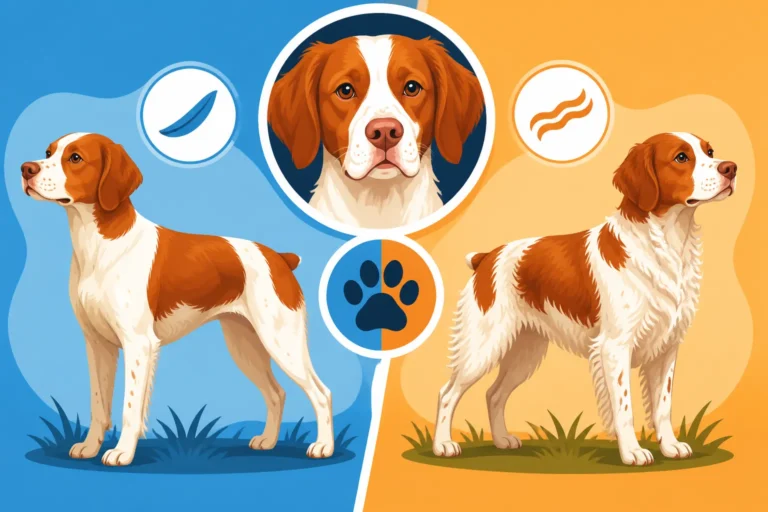
One of the common changes you might notice is that your Brittany's coat becomes thinner overall. This can manifest as less undercoat, making their fur feel less dense and plush to the touch. You might find that their feathering, particularly on their legs and ears, seems less abundant or perhaps a bit more brittle than it once was. This thinning can make them more susceptible to cold or injury, especially if they are still active in the field. It’s a natural part of aging, as hair follicles become less active and produce fewer, finer strands.
Conversely, some Brittanys might experience a change where their coat becomes coarser or more wiry. What was once soft and silky might now feel a bit rougher. This can be due to a variety of factors, including hormonal shifts, decreased skin elasticity, or even certain medications. This coarser texture can sometimes lead to more tangles and mats, especially in their longer feathering, making grooming a bit more challenging. It's important to be gentle when brushing to avoid discomfort or pulling on their thinning skin. Keep an eye on areas like the armpits and behind the ears, as these are prime spots for matting.
Loss of Shine and Increased Dryness
A hallmark of a youthful, healthy Brittany coat is its beautiful sheen and softness. As they age, many owners notice that their dog's coat loses some of that vibrant luster, appearing duller or even dry. This is often due to a reduction in the natural oils produced by their skin. These oils are vital for lubricating the hair shafts and keeping the skin supple. With less oil, the coat can appear lackluster and feel rougher. This dryness can also make the skin itself more prone to flaking or itchiness.
Maintaining proper hydration and a balanced diet becomes even more crucial during this stage. Consider incorporating omega-3 fatty acid supplements into their diet, which can significantly help improve skin health and restore some of that lost shine. Brands like Chewy and Amazon offer a wide array of fish oil supplements specifically formulated for dogs. A good diet can also help support their overall health, including their skin and coat. You'll want to review their food to see Whether an Aging Brittany Needs Fewer Calories or Whether an Aging Brittany Needs Softer Food, as dietary needs change with age.
Common Skin and Coat Issues in Senior Brittanys
While some coat changes are purely cosmetic and natural with age, others can signal underlying health issues. It's important to be vigilant for these, as early intervention can make a big difference in your Brittany's comfort and well-being.
Increased Susceptibility to Skin Infections and Allergies
As Brittanys get older, their immune systems can become less robust, making them more vulnerable to various health challenges, including skin infections. The skin's natural barrier function can also weaken, allowing bacteria, yeast, or fungi to take hold more easily. You might notice recurring hot spots, flaky patches, or persistent itching. These issues can be exacerbated by environmental allergies that might become more pronounced with age, or even new allergies developing.
Keeping their coat clean and dry, especially after outdoor excursions, is paramount. If you notice persistent itching, redness, or unusual odors from their skin, it's wise to consult your veterinarian. They can help diagnose the cause and recommend appropriate treatments, which might include medicated shampoos, topical creams, or oral medications. Older dogs also tend to have a harder time healing from The Injuries a Brittany Picks Up in the Field, so keeping their skin healthy is a proactive measure.
Developing Lumps, Bumps, and Growths
One of the realities of an aging dog is the appearance of various lumps and bumps under their skin or within their coat. These can range from benign fatty tumors (lipomas) to cysts, warts, or more concerning cancerous growths. While many are harmless, it's always best to have any new lump or bump checked by your veterinarian, especially if it changes in size, shape, or texture. How to Check a Brittany for Lumps regularly is an important part of senior dog care.
These growths can sometimes interfere with grooming, especially if they are in an area that gets snagged by a brush or comb. Be extra gentle around any raised areas, and if a lump appears to be bothering your Brittany, bleeding, or showing signs of infection, seek veterinary attention immediately. Early detection is key for any potentially serious growths, and your vet can perform a fine needle aspirate or biopsy to determine their nature. Remember, a new lump isn't always bad news, but it's always worth investigating for peace of mind.
Changes Related to Underlying Health Conditions
Sometimes, changes in your Brittany's coat can be a visible indicator of internal health issues. For example, conditions like hypothyroidism, where the thyroid gland doesn't produce enough hormones, often manifest with a dull, dry, and thinning coat, sometimes accompanied by hair loss, particularly on the flanks and tail. Other signs might include weight gain, lethargy, and an intolerance to cold. Signs a Brittany's Thyroid Is Low are crucial to recognize.
Kidney disease, diabetes, or even chronic pain can also subtly impact coat quality. A dog in pain might neglect grooming certain areas, leading to mats or skin issues. Diseases affecting the liver or kidneys can cause toxins to build up, impacting skin health and coat luster. If your Brittany's coat suddenly changes drastically, beyond the normal graying or thinning, and especially if accompanied by other symptoms, it's a strong signal to schedule a vet visit. These coat changes might be the earliest clues to an internal problem that needs attention, ensuring they get Caring for a Brittany Past Ten they deserve.
Maintaining an Aging Brittany's Coat Health
Even with the inevitable signs of aging, there's so much you can do to keep your senior Brittany's coat as healthy, comfortable, and beautiful as possible. It’s all about adjusting your routine to meet their changing needs.
Gentle Grooming and Brushing Routines
As your Brittany ages, their skin becomes thinner and more delicate, and they might develop sensitivities or arthritis that make long, vigorous grooming sessions uncomfortable. It’s time to switch to a gentler approach. Opt for softer brushes, like a rubber curry brush or a soft bristle brush, which can stimulate blood circulation without irritating their skin. Daily, shorter brushing sessions are often more effective and enjoyable for them than infrequent, longer ones. This also helps distribute natural oils, remove loose hair, and prevent mats.
Pay extra attention to areas prone to matting, such as behind the ears, in the armpits, and on their feathering. These spots can develop painful tangles quickly, and removing them from tender, aging skin can be distressing. If you encounter a mat, try to work it out gently with your fingers first, or use a mat splitter designed for delicate removal. Avoid harsh tugging. Consider keeping their feathering slightly trimmed to minimize the chances of burrs and mats, especially if they are still enjoying light field work. This proactive care prevents discomfort and larger issues down the line.
Nutritional Support for Skin and Coat
A healthy coat starts from within, and this is especially true for senior Brittanys. Their bodies might not absorb nutrients as efficiently as they once did, making targeted nutritional support critical. Look for high-quality dog foods formulated for senior dogs, which often contain specific blends of vitamins, minerals, and antioxidants to support overall health, including skin and coat. Protein is essential for healthy hair growth, so ensure their diet includes adequate, easily digestible protein sources. Brands like Ollie often focus on fresh, whole ingredients which can be beneficial for older dogs.
Beyond their regular food, supplements can play a huge role. Omega-3 fatty acids, like those found in fish oil, are renowned for their anti-inflammatory properties and their ability to improve skin hydration and coat shine. You might also consider supplements containing biotin or vitamin E, both known for their benefits to skin and hair health. Always discuss any new supplements with your veterinarian to ensure they are appropriate for your Brittany's specific health needs and won't interfere with any medications. A good diet and supplements can really help maintain that healthy glow.
Addressing Dry Skin and Itchiness
Dry, itchy skin can be a real nuisance for an aging Brittany, leading to discomfort, scratching, and potential secondary infections. Regular, gentle bathing with a moisturizing, oatmeal-based, or veterinary-prescribed shampoo can help rehydrate their skin. Avoid overly frequent baths that strip natural oils, unless advised by your vet for a specific condition. Always rinse thoroughly to prevent residue that can irritate the skin. Afterwards, gently towel dry and ensure all feathering is completely dry to prevent fungal growth.
For localized dry patches, a vet might recommend topical balms or sprays. If environmental allergies are suspected, your vet may suggest antihistamines, allergy shots, or specific dietary changes. Humidifiers in your home, especially during dry winter months, can also add moisture to the air and benefit your Brittany's skin. It’s all about creating a comfortable environment for them as they navigate their senior years. Pay close attention to Signs a Brittany's Ear Is Infected, as older dogs can be more prone to these issues.
Regular Veterinary Check-ups and Monitoring
The importance of regular veterinary check-ups cannot be overstated, particularly for senior Brittanys. These visits are your best line of defense against both age-related changes and potential underlying health issues. Your vet can not only assess your Brittany's overall health but also specifically examine their skin and coat for any abnormalities, new growths, or signs of infection that might be subtle or hidden. How Often a Brittany Needs a Wellness Exam should increase as they age.
During these check-ups, bring up any changes you've noticed in their coat, whether it's increased shedding, dryness, lumps, or persistent itching. Your vet might recommend blood tests, such as a thyroid panel, to rule out hormonal imbalances or other systemic diseases that could be affecting their coat. Early detection and treatment of these conditions can significantly improve your Brittany's quality of life and comfort. Keeping a close eye on their coat is just one piece of the puzzle in ensuring your beloved senior dog enjoys their golden years to the fullest.
Summary of Senior Brittany Coat Changes
To give you a quick overview, here's a table summarizing the common changes you might observe in an aging Brittany's coat and what they typically signify.
| Feature of Coat | Common Changes in Senior Brittanys | Potential Significance | Care Considerations |
|---|---|---|---|
| Color | Graying around muzzle, eyes, chest | Natural aging process | No special care, focus on overall health |
| Fading of orange/liver patches | Natural aging, sun exposure | Antioxidant-rich diet, gentle bathing | |
| Texture | Thinning coat, less undercoat | Natural aging, reduced follicle activity | Keep warm, protect from elements, gentle brushing |
| Coarser or more brittle fur | Natural aging, hormonal shifts, diet | Soft brushes, detangling spray, gentle mat removal | |
| Luster | Dullness, loss of shine | Reduced oil production, dehydration, diet | Omega-3 supplements, moisturizing shampoos, hydration |
| Skin Condition | Increased dryness, flakiness | Reduced oil, environmental factors | Moisturizing products, humidifiers, vet consultation |
| New lumps, bumps, growths | Fatty tumors, cysts, warts, cancer | Regular vet checks, prompt investigation of new growths | |
| Susceptibility to infections | Weakened immune system, allergies | Regular grooming, prompt vet treatment for issues |
Remember, seeing these changes in your Brittany's coat isn't a bad thing. It's a natural evolution, a visual timeline of all the love and adventures you've shared. With a little extra attention to their grooming, nutrition, and regular vet care, you can ensure their golden years are as comfortable and dignified as possible.
Disclaimer
This article is for general informational purposes only and does not constitute professional advice. Laws, prices and regulations vary by location and change over time. Consult a qualified professional for guidance on your specific situation.