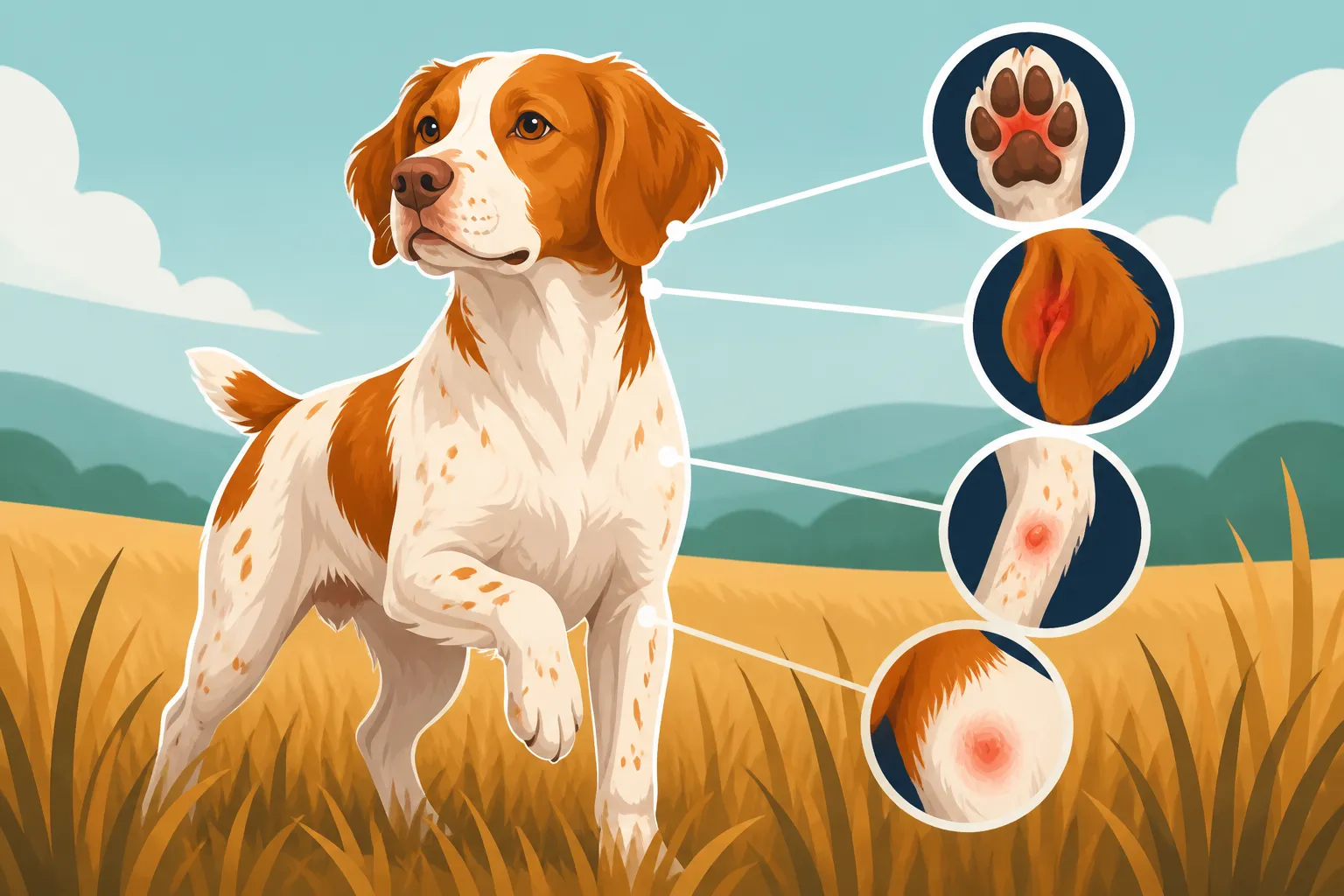
The Injuries a Brittany Picks Up in the Field
It’s a heart-stopping moment for any bird dog owner: that sudden yelp from your Brittany, the unexpected limp, or the frantic pawing at an ear after a joyous run through the brush. These energetic, enthusiastic hunting partners, with their boundless drive and eagerness to please, are also incredibly vulnerable to the hidden dangers of the field. This comprehensive guide is here to walk you through the most common injuries your beloved Brittany might encounter while doing what they love best, offering insights into prevention, immediate first aid, and when it’s time to call in the professionals.
Understanding the Brittany's Predisposition to Field Injuries
Brittanys are, by nature, high-energy, tenacious hunting dogs. Their genetic programming drives them to cover ground with impressive speed and stamina, pushing through dense cover, scrambling over obstacles, and plunging into icy waters. This very drive, while admirable and effective for hunting, also places them at a higher risk for various field injuries. It’s not a question of if your Brittany will get hurt, but when and how serious it will be.
Their Energetic Hunting Style
Brittanys are renowned for their incredible athleticism and relentless pursuit of game. They range wide, quartering fields with precision, then locking up on point with an intensity that speaks volumes of their passion. This fast-paced, high-impact style means their bodies are constantly under stress, accelerating, decelerating, jumping, and weaving through unforgiving terrain. Their enthusiasm often overrides any sense of self-preservation, leading them to push boundaries that might cause harm. Think of them as canine athletes, always giving 110%, and just like human athletes, this level of performance comes with inherent risks of injury from overexertion or accidental impact.
They aren't built like lumbering retrievers who might push through cover with brute force; Brittanys are agile and lithe, designed for speed and quick turns. However, this also means their joints and muscles are subject to sudden twists and impacts. They might be lighter than a German Shorthaired Pointer, but they work just as hard, covering every inch of ground with a fervent desire to find birds. This dedication, while making them exceptional hunting companions, also means they're less likely to slow down or choose an easier path if they sense game.
The Types of Terrain They Cover
From the thorny brambles of an old farm field to the rocky outcroppings of a mountain grouse habitat, Brittanys don't discriminate when it comes to hunting grounds. They will dive headfirst into heavy brush, thick briars, and tangled woods, often traversing uneven ground, muddy ditches, and icy streams. Each type of terrain presents its own unique set of hazards. Sharp rocks can shred paw pads, hidden stumps can cause sprains, and dense, thorny thickets are magnets for cuts, scrapes, and embedded foreign objects.
Consider a typical pheasant hunt in the Midwest. Your Brittany might start in a mown alfalfa field, transition into a stubble cornfield, then plunge into a drainage ditch choked with multiflora rose and cattails. Each shift in environment increases the potential for injury. In the West, a chukar hunt might involve scrambling over scree slopes, which can be brutal on pads and dewclaws. Even seemingly benign grass fields can harbor hidden dangers like fire ant mounds or sharp, stiff weeds that can pierce delicate skin or lodge in ears. Understanding the landscape your dog will be working is the first step in anticipating and preventing potential injuries.
The Importance of Pre-Season Conditioning
Just as an athlete wouldn't run a marathon without training, a Brittany shouldn't be thrown into a rigorous hunting season without proper conditioning. A dog that has spent the off-season largely sedentary is at a significantly higher risk for muscle strains, ligament tears, and overall fatigue-related injuries. Their cardiovascular system, muscles, and pads need to be gradually prepared for the demands of long days in the field.
A good conditioning program should include a mix of activities that build stamina, strengthen core muscles, and toughen paw pads. Roading, swimming, and increasingly longer runs in varied terrain are all excellent ways to get your Brittany fit. Without this crucial preparation, a dog might pull a hamstring on the first hard run, or develop excruciatingly sore pads after just an hour. Neglecting conditioning is akin to sending your dog into battle unarmed – it’s simply asking for trouble. It's also vital to monitor their weight; an overweight Brittany will struggle more, putting extra strain on joints and increasing the risk of overheating.
Common Paw and Leg Injuries
The paws and legs of a Brittany are their primary tools for covering ground, making them highly susceptible to injury. Every stride, every jump, every sudden stop puts stress on these critical areas.
Torn Pads and Abrasions
One of the most frequent complaints from Brittany owners after a hunt is about damaged paw pads. These tough, leathery cushions are designed to protect, but they're not invincible. Running over sharp rocks, coarse stubble fields, frozen ground, or even prolonged exposure to wet terrain can lead to abrasions, cuts, cracks, and even full-blown tears. A torn pad is incredibly painful, often causing immediate lameness. You might notice your dog favoring a paw, licking it incessantly, or leaving bloody paw prints.
Treating these injuries quickly is crucial. For minor abrasions, cleaning the wound with an antiseptic solution and wrapping it can suffice. However, deeper cuts or tears may require stitches and rest. If you're wondering how to treat a Brittany's torn pad, remember that keeping the wound clean and protected is paramount for healing. In the heat of the moment, a torn pad can be taped in the field to allow for a limping return to the truck, but further veterinary assessment is almost always needed. Persistent issues can affect a dog's enthusiasm for future hunts, making proper care even more important.
Nail and Dewclaw Trauma
Brittanys have strong nails, but they can still break, split, or even be completely ripped off during a vigorous run through dense cover. This is particularly common if the nails are allowed to grow too long, as they are more likely to snag on roots or branches. A broken nail can bleed profusely and expose the sensitive quick, causing significant pain. Dewclaws, located higher up on the inside of the leg, are especially vulnerable if not kept trimmed, as they can catch on brush and tear. These tears can be particularly nasty, sometimes involving the tendon and leading to a persistent limp.
Regular nail trimming is the best preventative measure. For a torn nail, control bleeding with direct pressure, clean the area, and consider a temporary wrap. A severely torn dewclaw, however, often requires veterinary attention, as it may need to be surgically removed or stitched to prevent infection and promote healing. It's a common injury that new owners often overlook, until they see the distinct lameness and the bloody mess that a ripped dewclaw leaves behind.
Sprains, Strains, and Cruciate Ligament Tears
The high-impact nature of a Brittany's hunting style makes them prone to soft tissue injuries like sprains and strains. A sudden twist or misstep can cause a ligament (which connects bone to bone) to stretch or tear, resulting in a sprain. Strains affect muscles or tendons (which connect muscle to bone), often from overstretching or overexertion. These injuries manifest as lameness, swelling, and pain when the affected area is touched. A sprain might cause a slight limp, while a severe strain could render the leg unusable.
More serious, and unfortunately not uncommon in active dogs, is a cranial cruciate ligament (CCL) tear in the knee. This can happen suddenly during a sharp turn or jump, or gradually over time from repetitive stress. A full CCL tear usually results in immediate, non-weight-bearing lameness. While minor sprains and strains might respond to rest, cold compresses, and anti-inflammatory medication, a torn CCL almost always requires surgical repair. These surgeries can be costly, making a good pet insurance plan like those offered by Healthy Paws a wise investment for a hunting dog owner. Early detection of a persistent limp, even a subtle one, can sometimes lead to intervention before a complete tear occurs.
Ear, Eye, and Nose Hazards
Brittanys, with their long, expressive ears, keen eyes, and sensitive noses, use these organs extensively in their work, but they also expose them to a range of potential dangers in the field.
Foreign Bodies in Ears (Grass Seeds, Foxtails)
Those beautiful, floppy Brittany ears are a magnet for all sorts of debris when they're plunging through tall grass and heavy cover. The most notorious culprits are grass seeds and foxtails, with their barbed, arrow-like structures that allow them to burrow deep into the ear canal. Once inside, they can cause intense irritation, inflammation, and infection. Signs include excessive head shaking, pawing at the ear, tilting the head, or a foul odor coming from the ear. If left untreated, a foxtail can even perforate the eardrum and cause more serious inner ear problems.
Regular checking and cleaning of your Brittany's ears after every outing is crucial. If you suspect a foreign body, especially a foxtail, it's a veterinary emergency. Trying to remove it yourself can push it deeper or damage the ear canal. Professional removal, often requiring sedation, is necessary. If you’re looking for details on how to remove a foxtail from a Brittany's ear, a vet visit is the most important step. Prevention is key; keeping the hair around the ear canal trimmed can help reduce the chances of seeds getting stuck.
Eye Irritations and Scratches
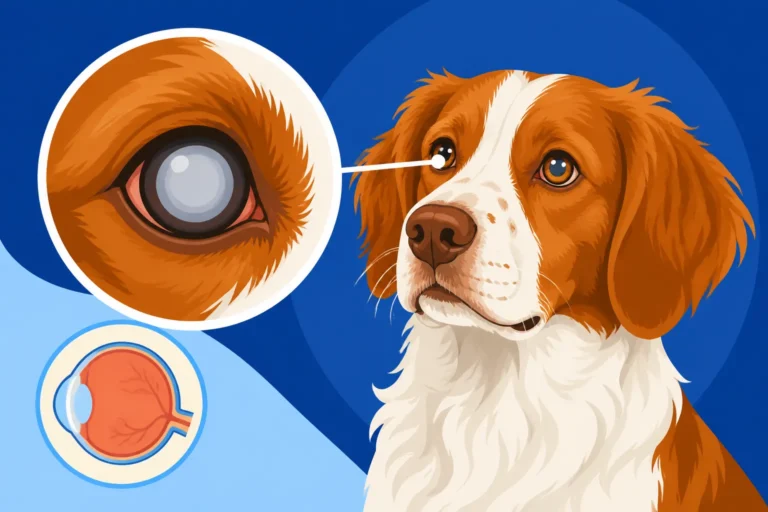
A Brittany's eyes are constantly exposed to dust, dirt, twigs, and sharp vegetation while they're scenting and traversing cover. This can lead to various eye irritations, from simple grit causing conjunctivitis to more severe corneal scratches or ulcers. Symptoms can include squinting, redness, excessive tearing, pawing at the eye, or a cloudy appearance to the eye. Even a seemingly minor irritation can quickly escalate into a painful infection if not addressed.
A thorough flush with a sterile saline solution can sometimes dislodge superficial irritants. However, if symptoms persist or worsen, immediate veterinary attention is vital. A corneal ulcer, for instance, is extremely painful and requires specific medicated eye drops. Never hesitate to get an eye injury checked, as sight is paramount for a hunting dog's quality of life and effectiveness in the field. Some owners even consider protective eyewear for dogs working in particularly dense, thorny cover, though getting a Brittany to tolerate "doggles" can be a training challenge.
Nose and Muzzle Abrasions
A Brittany's nose is its most important tool in the field, constantly pressed against the ground and pushed through vegetation as they follow scent. This means their delicate nose leather and muzzle are highly vulnerable to scrapes, cuts, and abrasions. They might come back from a hunt with a raw, red nose from contact with rough stubble or thorns. While often minor, these abrasions can be painful and, if deep enough, can become infected.
Clean any visible wounds with a gentle antiseptic and apply a pet-safe soothing balm. Keep an eye on healing, ensuring no signs of infection like pus or excessive swelling appear. Deeper cuts might warrant a quick check by your vet, especially if they are actively bleeding or don't seem to be healing well. While often overlooked, a sore nose can certainly impact your Brittany's ability to hunt effectively, making them less willing to put their nose to the ground.
Body and Skin Injuries
The full body of a Brittany is on the front lines of hunting, and their beautiful coats, while offering some protection, can also hide a multitude of skin-level injuries.
Cuts, Lacerations, and Puncture Wounds
Whether from barbed wire fences, sharp sticks, or forgotten farm implements, cuts and lacerations are a constant threat in the field. Puncture wounds, often from thorns or sharp branches, can be particularly insidious because they may look small on the surface but can be surprisingly deep and introduce bacteria. These injuries can range from minor scrapes that need a quick clean to deep gashes that require stitches. You might notice blood on their coat, or they might flinch when you touch a certain area.
For minor cuts, clean the wound thoroughly with an antiseptic spray or solution, then apply pressure to stop any bleeding. Keeping a small first aid kit in your truck is essential for immediate treatment. However, if the cut is deep, wide, or bleeds profusely, or if you suspect a puncture wound is deep, it's critical to get veterinary care quickly. Delaying treatment for deep wounds increases the risk of infection and can lead to longer recovery times. For more severe injuries, knowing how to close a Brittany's field laceration means having the right tools for temporary stabilization before heading to the vet. Timely intervention can often prevent larger complications.
Burrs, Thorns, and Foxtail Embedment
Brittany coats, especially their longer feathering on legs, chest, and ears, are incredibly efficient at collecting burrs, thorns, and those notorious foxtails. While burrs are generally more of a nuisance, forming painful mats and irritating the skin, thorns and foxtails can embed themselves deeply. Foxtails, in particular, are problematic because their barbed design allows them to migrate further into the skin, causing abscesses, infections, and intense discomfort. They can embed anywhere – between toes, in armpits, in ears, or even under the eyelids.
After every hunt, a thorough check and brushing is paramount. Pay special attention to the areas with feathering, between the toes, and around the ears and eyes. Burrs can often be carefully picked out or worked free with a slicker brush, sometimes using a detangling spray. However, deeply embedded thorns or foxtails that don't come out easily should be removed by a vet to ensure complete extraction and prevent further complications. Remember, what a Brittany's feathering hides skin trouble that might otherwise be immediately apparent, so a thorough tactile inspection is always necessary.
Bug Bites, Stings, and Allergic Reactions
From mosquitoes and biting flies to wasps, bees, and spiders, the field is full of insects ready to bite or sting your curious Brittany. Most bites are just annoying, causing a temporary itch or small welt. However, some dogs can have allergic reactions, ranging from mild swelling to more severe systemic responses like hives, facial swelling, or even difficulty breathing. Bee and wasp stings are particularly common culprits for sudden swelling, especially if the dog gets stung on the face or mouth.
For routine bug bites, a cold compress and a topical anti-itch cream designed for dogs can provide relief. If you notice significant swelling, hives, or any signs of breathing difficulty, administer an appropriate dose of canine-safe antihistamine (like diphenhydramine) if approved by your vet, and seek immediate veterinary attention. Some regions also pose risks from venomous spiders or scorpions, whose bites can cause localized necrosis or systemic illness. Staying vigilant for any abnormal swelling or behavior after a hunt is critical.
Dealing with Wildlife Encounters
Part of the thrill of hunting is the encounter with wildlife, but some encounters can turn dangerous, leading to painful injuries for your Brittany.
Snake Bites and Venomous Creatures
Depending on your hunting grounds, venomous snakes can be a significant threat. Rattlesnakes, copperheads, cottonmouths, and coral snakes are all found in various parts of North America. A curious Brittany, nose to the ground, can easily stumble upon a snake, resulting in a defensive strike. Snake bites are often characterized by sudden pain, rapid swelling, and puncture marks, usually on the muzzle or a leg. The venom can cause tissue damage, systemic illness, and can be fatal without prompt treatment.
If you suspect a snake bite, the first priority is to get your dog away from the snake and to a veterinary emergency clinic as quickly as possible. Do NOT try to cut the wound, apply a tourniquet, or suck out the venom, as these actions can do more harm than good. Keep the dog calm and carry them if possible to reduce the spread of venom. Antivenom administration is typically the most effective treatment, but it must be given by a veterinarian. Some owners opt for a snake bite vaccine, though its effectiveness varies and it doesn't replace the need for vet care after a bite. Be aware of the venomous snakes in your hunting area and consider whether a Brittany should have a snake bite vaccine as a proactive measure.
Porcupine Quills
While not venomous, an encounter with a porcupine can be extremely painful and dangerous for a Brittany. A dog's natural curiosity and prey drive often lead them to get too close, resulting in a face full of barbed quills. These quills are designed to detach easily from the porcupine and embed themselves deeply into flesh, with barbs that make them incredibly difficult to remove without proper technique and tools. Quills can migrate, causing internal damage or abscesses if left in place.
Never attempt to remove numerous quills yourself unless you are highly experienced and have the right tools, as improper removal can break the quills or push them deeper. This is a job for a veterinarian, as dogs often need sedation to have all the quills carefully extracted. A quill removal is often more extensive than anticipated, as they can sometimes become lodged in the mouth, tongue, or even the eyes. What removing porcupine quills from a Brittany costs can be substantial, highlighting the value of pet insurance.
Skunk Sprays and Other Animal Run-ins
While less physically injurious, a run-in with a skunk can certainly dampen a hunt and leave your Brittany (and you) smelling less than fresh. Skunk spray, while harmless, is incredibly pungent and difficult to remove. Other animals, like raccoons or opossums, might scratch or bite a dog in self-defense, especially if cornered. Such bites can easily become infected due to the bacteria in wild animal mouths.
For skunk spray, there are several home remedies involving hydrogen peroxide, baking soda, and dish soap that are more effective than simply bathing with dog shampoo. For scratches or bites from other animals, clean the wound thoroughly with antiseptic and monitor closely for signs of infection. Any bite wound, no matter how small, warrants a vet visit to assess the depth and prescribe antibiotics, especially given the risk of rabies from unvaccinated wildlife. Always be vigilant for any unusual behavior or lameness after any animal encounter.
Overexertion and Environmental Stresses
The relentless drive of a Brittany can sometimes lead them to push past their physical limits, especially when combined with challenging environmental conditions.
Heatstroke and Dehydration
Brittanys, with their dense coats and high energy levels, are prone to overheating, particularly during early-season hunts when they're not fully acclimated to warmer temperatures, or on humid days. Heatstroke is a severe, life-threatening condition where a dog's body temperature rises dangerously high. Signs include excessive panting, drooling, weakness, staggering, dark red gums, vomiting, and eventually collapse. Dehydration, often a precursor to heatstroke, shows up as lethargy, dry gums, and sunken eyes.
Prevention is paramount: avoid hunting in the hottest parts of the day, provide ample fresh water, and take frequent breaks in the shade. If you notice signs a Brittany is overheating in the field, immediately move them to a cool, shaded area, offer small amounts of water, and apply cool (not icy) water to their body, especially the ears, armpits, and groin. This is a true emergency; seek veterinary care immediately, as heatstroke can lead to organ damage or death. Always carry enough water for your dog, even on short outings, and know what a Brittany's field water setup costs to ensure you're prepared.
Hypothermia and Cold Weather Risks
While less common than heatstroke, Brittanys can also suffer from hypothermia in extreme cold, especially if they are wet for extended periods or working in icy water without protection. Symptoms include shivering, lethargy, weakness, shallow breathing, and cold ears and paws. Their relatively lighter build and less dense undercoat compared to some northern breeds can make them more susceptible to cold stress.
If you suspect hypothermia, immediately get your Brittany to a warm, dry place. Wrap them in blankets or towels, and if possible, use warm (not hot) water bottles wrapped in towels near their core. Offer warm liquids if they are alert enough to drink. Gradual warming is key. For cold water retrieves or hunting in frigid temperatures, consider a neoprene vest to help insulate them. Regular checks of their core temperature are important when working in very cold conditions.
Exertional Rhabdomyolysis and Muscle Fatigue
Sometimes called "tying up" or "exertional myopathy," rhabdomyolysis is a severe muscle condition that can occur in highly active dogs who are pushed beyond their conditioning level, especially after a period of rest, or with insufficient hydration and electrolyte balance. The muscle fibers break down, releasing toxins into the bloodstream that can damage the kidneys. Symptoms include stiffness, reluctance to move, muscle pain, dark urine (due to muscle pigments), and severe weakness.
This is a serious condition requiring immediate veterinary attention. Prevention lies in proper conditioning, adequate hydration, and a balanced diet with appropriate electrolyte supplementation during intense work. Avoid sudden, intense exercise after periods of inactivity. If you're working your Brittany hard, particularly over multiple days, ensure they have ample rest and recovery time. Understanding whether a Brittany gets exertional rhabdomyolysis means being mindful of their limits and conditioning level.
First Aid and Prevention in the Field
Being prepared and proactive is key to minimizing injuries and effectively handling them when they occur. A little foresight can go a long way in keeping your Brittany safe.
Essential Field First Aid Kit Components
Every Brittany owner who takes their dog into the field should carry a well-stocked first aid kit. This isn't just for serious emergencies, but for those minor scrapes, thorns, or paw issues that inevitably arise. Your kit should be easily accessible in your vehicle or hunting vest.
Here’s a breakdown of what a first aid kit for a Brittany should hold:
- Wound Care: Antiseptic wipes or spray (like Vetericyn or Betadine solution), sterile saline solution for flushing, gauze pads, rolled gauze, vet wrap (self-adhering bandage), medical tape, non-stick pads, a small pair of blunt-tipped scissors.
- Paw Care: Paw balm or wax for protection, super glue (for minor pad cuts only), booties to protect injured paws.
- Tools: Tweezers (for burrs, small thorns), tick removal tool, headlamp or flashlight (for evening checks), small magnifying glass.
- Medications (Consult your vet first): Canine-safe antihistamine (e.g., diphenhydramine), pain relief (e.g., carprofen, if prescribed by your vet), emergency sugar source (e.g., Karo syrup for hypoglycemia).
- Other Essentials: Exam gloves, extra leash, water and collapsible bowl, emergency blanket.
Having these items on hand means you can address most minor issues quickly, preventing them from escalating.
Immediate Steps for Common Injuries
Knowing basic first aid can make all the difference in the field.
- Cuts/Lacerations: Stop bleeding with direct pressure using gauze. Clean with antiseptic. If deep, apply non-stick pad and vet wrap, then head to the vet. For minor cuts, super glue can sometimes close small, clean pad cuts if you know what you’re doing – but vet wrap is safer for most.
- Torn Pads: Clean gently. Apply antiseptic. Cover with non-stick pad and secure with vet wrap. A dog bootie can protect it on the way home.
- Foreign Bodies (Ears/Paws): For superficial burrs or thorns, use tweezers. For suspected foxtails in ears or deep punctures, do not attempt to remove – head to the vet.
- Lameness/Sprains: Rest the dog immediately. Limit movement. Apply a cold pack if available. Observe for swelling. If severe or persistent, seek vet care.
- Heatstroke: Move to shade, wet dog with cool water (especially belly, groin, armpits), offer water. Get to vet ASAP.
Remember, these are immediate steps. Many injuries will still require professional assessment and treatment. Knowing what stitching a Brittany's field cut costs can help you anticipate expenses, but proper and swift care is always the priority.
Proactive Measures to Minimize Risks
Prevention is always better than cure.
- Conditioning: Start a conditioning program weeks before the season. Build stamina, strengthen muscles, and toughen pads gradually.
- Paw Care: Keep nails trimmed short. Consider paw wax or dog boots, especially for challenging terrain or sensitive pads. For details, read up on whether a Brittany needs boots in the field.
- Coat & Ear Care: Regular brushing removes tangles and helps you spot burrs and ticks. Trim feathering around ears and between toes to reduce foreign body collection. Learn how often a Brittany's pads should be checked as part of your routine.
- Hydration: Always provide access to fresh water during and after hunts. Don't underestimate how much a Brittany should drink on a hunt.
- Environmental Awareness: Be mindful of the terrain, weather, and potential wildlife. Avoid hunting in extreme temperatures.
- Regular Vet Checks: Ensure your Brittany has a clean bill of health before the season. A preseason vet check can identify underlying issues.
By being proactive, you significantly reduce the chances of your Brittany incurring serious injuries, keeping them healthier and happier in the field.
When to Seek Veterinary Care
While some minor scrapes can be handled with field first aid, it's crucial to know when an injury warrants immediate professional veterinary attention. Hesitation can sometimes mean the difference between a quick recovery and a prolonged, complicated one.
Recognizing Serious Symptoms
Sometimes, the severity of an injury isn't immediately obvious. Brittanys are notoriously stoic and might try to hide their pain, especially when their drive to hunt is strong. It's up to us, as their caretakers, to recognize the subtle (and not so subtle) signs that something is seriously wrong.
Red Flags for Immediate Vet Care:
- Non-weight bearing lameness: If your Brittany cannot put any weight on a limb, or holds it up consistently.
- Profuse or uncontrolled bleeding: If bleeding doesn't stop after 5-10 minutes of direct pressure.
- Deep or wide lacerations/puncture wounds: Especially if near a joint, eye, or vital organ, or if you suspect internal damage.
- Swelling that is rapid, severe, or painful: This could indicate infection, snake bite, or a deep tissue injury.
- Any eye injury causing severe squinting, cloudiness, or significant discharge.
- Signs of extreme pain: Whining, crying out, aggression when touched, trembling, or hiding.
- Changes in breathing: Labored breathing, gasping, rapid shallow breaths.
- Signs of shock: Pale gums, rapid heart rate, weakness, cold extremities.
- Disorientation, collapse, or seizure.
- Persistent vomiting or diarrhea, especially if bloody.
- Ingestion of toxins: If you suspect they ate something poisonous.
- Suspected broken bones or dislocations: Any unnatural angle of a limb.
- Any injury that causes a dramatic change in their usual demeanor.
Always trust your gut feeling. If you're worried, it's always better to err on the side of caution and get your dog checked out.
Emergency Situations and Transport
In a true emergency, every second counts. Knowing how to safely and quickly transport your injured Brittany to the vet can be life-saving.
Steps for Emergency Transport:
- Assess the Situation: Quickly evaluate the dog's condition and the nature of the injury. Remain calm, as your stress can further agitate your dog.
- Stabilize if Possible: If bleeding, apply firm pressure. If a limb is obviously broken, try to gently support it without causing more pain. Do not try to reset a broken bone or push exposed organs back in.
- Muzzle if Necessary: Even the sweetest Brittany might bite out of pain or fear. A soft muzzle can prevent accidental bites during transport, but avoid if they are struggling to breathe or have a facial injury.
- Careful Handling: Move your dog as little as possible. For leg injuries, try to support the injured limb. For spinal injuries, try to move them on a makeshift stretcher (a rigid board or blanket pulled taut).
- Call Ahead: Alert your veterinary clinic or emergency animal hospital that you are on your way and describe your dog's condition. This allows them to prepare for your arrival.
- Secure Transport: Place your dog in a crate if possible, or have someone hold them securely in the car to prevent further injury during sudden stops or turns. Avoid placing them on the passenger seat if they are likely to fall.
Remember, the goal is safe and swift transport to professional medical care. Do not attempt complex first aid procedures unless you are trained and the situation absolutely demands it. Many pet owners find that a reliable pet insurance plan, such as Healthy Paws, helps immensely during these stressful times by alleviating the financial burden of emergency veterinary care.
Follow-Up Care and Recovery
Veterinary treatment is just the first step in recovery. Proper follow-up care at home is crucial for complete healing and preventing re-injury. This often includes:
- Medication Administration: Carefully follow your vet's instructions for antibiotics, pain relievers, and anti-inflammatory drugs.
- Wound Care: Keep wounds clean and dry, change bandages as directed, and monitor for signs of infection (redness, swelling, pus, foul odor).
- Rest and Activity Restriction: This is often the hardest part for an energetic Brittany! Strict crate rest, leash walks only, or restricted play might be necessary for weeks or even months, depending on the injury. Your vet will provide specific guidelines.
- Physical Therapy/Rehabilitation: For orthopedic injuries like sprains, strains, or post-surgical recovery (e.g., for a cruciate ligament tear), physical therapy can be invaluable. This might include hydrotherapy, therapeutic exercises, or massage to regain strength and mobility.
- Follow-Up Appointments: Attend all scheduled recheck appointments with your vet to monitor healing and adjust treatment plans as needed.
- Gradual Return to Activity: Do not rush your Brittany back to full hunting activity. A gradual, controlled return to exercise, often under veterinary guidance, is essential to prevent re-injury.
- Nutrition: Ensure your Brittany is on a high-quality diet to support healing. Sometimes, dietary supplements (e.g., joint supplements) may be recommended.
Recovery can be a long and frustrating process, but your patience and diligence are vital for your Brittany to make a full return to health and the field. Keeping them entertained mentally during enforced rest can also help manage their high energy.
Potential Costs of Field Injuries
Let's be realistic, owning a Brittany and taking them afield means facing the potential for veterinary bills. These active dogs are prone to accidents, and while their enthusiasm is wonderful, it doesn't come cheap when injuries occur. Knowing the potential costs upfront can help you plan.
Emergency Veterinary Expenses
When your Brittany picks up a serious injury in the field, it often requires emergency veterinary care, which typically comes with a higher price tag than a routine visit. These costs can vary wildly depending on the severity of the injury, the part of the country you're in, and the specific treatments required.
For a simple laceration that needs a few stitches, you might be looking at a few hundred dollars. However, if that cut leads to an abscess, or if it's a deep puncture that requires exploration and drains, the cost escalates. A snake bite with antivenom can easily run into the thousands of dollars. A severe paw pad tear needing surgical repair, or a fracture, can be even more. Then there's the cost of removing porcupine quills, which often requires sedation and can quickly add up if there are many quills or if they've migrated. These are the moments when a robust pet insurance policy, like those offered by Healthy Paws, can be a true lifesaver, covering a significant portion of these unexpected and often substantial bills. Without insurance, these emergencies can quickly drain savings or force difficult decisions.
Long-Term Rehabilitation Costs
Some field injuries aren't quick fixes. A torn cruciate ligament, for example, typically requires surgery, followed by weeks or even months of rehabilitation. The surgery itself can cost several thousand dollars. Post-operative care often includes pain medication, anti-inflammatories, and potentially specialized physical therapy sessions. These rehab sessions, whether hydrotherapy, laser therapy, or guided exercises, can range from $50 to $150 per session, and a dog might need dozens of them.
Similarly, severe sprains, strains, or even chronic conditions that develop from repeated micro-trauma can necessitate ongoing medication, joint supplements, and regular vet check-ups. These long-term costs, while not as sudden as an emergency bill, accumulate over time and can represent a significant financial commitment. This is why many experienced Brittany owners view pet insurance as an essential part of their overall ownership budget.
Proactive Measures and Their Costs
While injuries are expensive, so is prevention, but it's an investment that often pays off by reducing the likelihood of more costly incidents down the line.
- Pre-season vet check-ups: These typically cost between $50 and $150, and might include bloodwork, which adds another $100-$200.
- Quality dog food: A performance diet for an active Brittany will be more expensive than generic kibble, but provides the nutrients needed to support their high energy and recovery. What a Brittany's monthly food bill runs can easily be over $70 for a good quality food.
- Conditioning equipment: Things like check cords, whistles, and even a GPS collar can represent an upfront cost, but are invaluable for training and safety. A GPS collar, for instance, can cost several hundred dollars, but it's a small price to pay for locating a lost dog or one that's injured in thick cover.
- Protective gear: Dog boots, neoprene vests, and blaze orange vests can prevent injuries and improve visibility. These might cost $30-$100 per item.
- First aid supplies: Stocking a comprehensive field first aid kit can run $50-$150, but having it on hand can prevent a minor issue from becoming a major one.
These proactive expenses, while not trivial, are usually much less than the cost of treating a severe injury. They are part of the responsible ownership of an active hunting dog, and budgeting for them from the start is wise. For many, insuring their Brittany with a company like Healthy Paws offers peace of mind that unexpected, high-cost injuries won't break the bank.
Disclaimer
This article is for general informational purposes only and does not constitute professional advice. Laws, prices and regulations vary by location and change over time. Consult a qualified professional for guidance on your specific situation.