How Long Burr Removal Takes on a Brittany
Oh, the dreaded burr! There's nothing quite like the sight of your beloved Brittany emerging from a field, tail wagging, but looking like a furry, mobile pincushion. It’s a moment that fills every bird dog owner with a mix of affection and immediate dread, knowing that a significant chunk of time is about to be dedicated to a meticulous, and often frustrating, grooming session. This guide is here to walk you through what to expect when those tenacious little hitchhikers latch onto your Brittany's beautiful coat, offering realistic timelines and strategies to minimize the ordeal.
The Factors That Dictate Burr Removal Time
When you ask how long it takes to remove burrs from a Brittany, the answer is never a simple number. It's like asking how long it takes to drive across the state – it depends on so many variables! From the type of burr to your dog's patience, each element plays a crucial role in how quickly you can get your Brittany clean and comfortable again. Ignoring these factors can lead to an even longer, more painful process for both of you.
Type of Burr and Quantity
Not all burrs are created equal, and some are definitely more villainous than others. The common burdock burr, with its relatively large, hook-like structures, can often be picked out one by one if they haven't tangled too deeply. Then there are the smaller, more insidious ones, like cockleburs or even the tiny, sticky seeds from certain grasses, which seem to melt into the finer feathering on a Brittany's legs and belly. These are the ones that take far more patience and precision to extract.
Imagine coming across just a handful of burdock burrs after a short walk through a less dense patch of cover. You might be done in five to ten minutes, no sweat. Now, picture a full-on assault of tiny, prickly cockleburs after a deep dive into thick CRP grass. These burrs don't just cling; they weave themselves into the undercoat, forming dense, matted clumps that feel like they're fused with the fur itself. In such a scenario, you're looking at a significantly longer, more intricate process, possibly extending well over an hour for just one leg or ear, let alone the entire dog. The sheer number of burrs also exponentially increases the challenge. A few isolated burrs are manageable; a hundred tiny burrs clinging everywhere means you're going to be in for the long haul.
Your Brittany's Coat Condition
A well-maintained coat is your first line of defense against excessive burr entanglement. A regularly brushed Brittany, especially one whose feathering is kept free of mats, will shed burrs more easily. The smoother, cleaner hairs offer fewer anchor points for the burrs to grab onto and become embedded. Think of it like a smooth fabric versus a velcro patch – burrs prefer the latter.
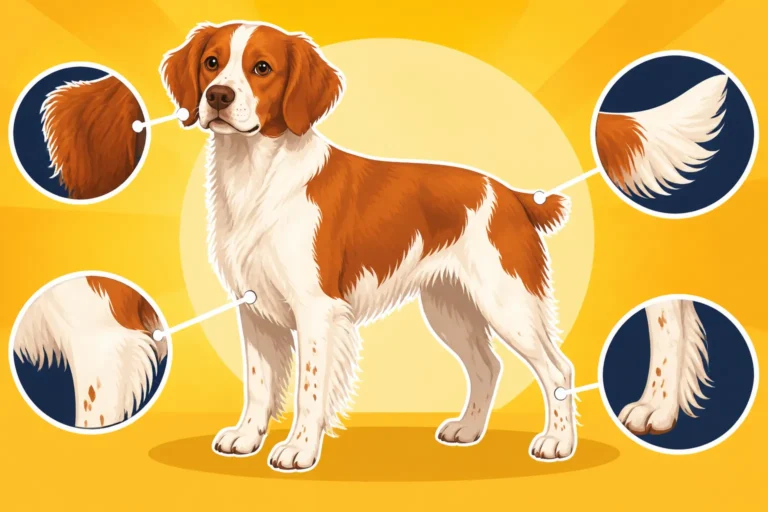
However, a Brittany's glorious feathering, particularly on the ears, chest, and legs, is a magnet for all sorts of field debris. If this feathering is already a bit neglected, maybe with some nascent mats forming, those burrs will exploit every opportunity. They’ll burrow deep, intertwining with the matted hair and creating even larger, tighter clumps that are incredibly difficult to separate without cutting. A matted coat can turn a 20-minute job into a two-hour ordeal, potentially requiring extensive cutting and leaving your dog looking a bit patchy. Maintaining a good grooming routine throughout the year is key to minimizing this particular headache when the burrs inevitably strike. A good starting point for regular upkeep is understanding A Brittany's Coat Is Low Maintenance Until It Hits Cover.
Your Dog's Temperament and Cooperation
Let's be real: no dog enjoys having prickly objects pulled from their fur, especially when those objects are stubbornly stuck. A calm, cooperative Brittany who is used to being handled and groomed will make the process far quicker and less stressful. If your dog is comfortable with you working on their sensitive areas, like ears and paws, they're more likely to stand still or lie patiently while you work.
On the other hand, a dog that’s squirmy, whiny, or even tries to nip can turn a straightforward task into a wrestling match. Every time they pull away, you risk breaking hairs, causing discomfort, or even getting pricked yourself. This not only lengthens the time but can also build negative associations with grooming, making future sessions even harder. Positive reinforcement, patience, and starting grooming habits early are crucial. If your Brittany tends to be a bit of a drama queen about grooming, breaking up the burr removal into several shorter sessions with breaks might be more effective than trying to do it all at once, even if it extends the total time.
Your Tools and Technique
Having the right tools at hand is absolutely essential. Trying to pick out burrs with just your fingers is like trying to eat soup with a fork – it’s frustrating and inefficient. A sturdy steel comb with both wide and fine teeth, a slicker brush, a dematting rake, and a pair of blunt-nosed scissors are your minimum arsenal. A good detangling spray or a little bit of cornstarch can also be invaluable for making the job easier on your dog’s coat.
Your technique also plays a huge role. Rather than yanking, which is painful and breaks hair, you need to work slowly and methodically. Start from the outside of the burr clump and gently tease it apart, working in small sections. Holding the fur at the base of the skin can help minimize pulling on the skin. Cutting should always be a last resort and done with extreme caution, always angling the scissors away from the skin. Trying to rush the process or using inadequate tools will invariably lead to more frustration, more discomfort for your dog, and ultimately, a longer overall process. For a detailed rundown of the types of burrs and how to tackle them, check out How to Get Burrs Out of a Brittany's Coat.
| Burr Type | Typical Location | Difficulty to Remove | Approximate Time (per small patch) |
|---|---|---|---|
| Burdock | Body, outer feathering | Moderate | 5-15 minutes |
| Cocklebur | Fine feathering, undercoat | High | 15-30 minutes |
| Stickseed / Beggar's Lice | Fine feathering, ears, paws | High | 10-25 minutes |
| Sand Bur | Paws, belly | Moderate-High | 10-20 minutes |
| Foxtail | Ears, paws, nose, armpits | Moderate-Critical | Varies widely, often vet-assisted |
Note: Foxtails are particularly dangerous and often require professional intervention if embedded, as they can migrate under the skin.
A Realistic Timeline for Burr Removal
So, with all those variables in mind, let's talk real numbers. How long does burr removal actually take? It's almost never as quick as we hope, but understanding the scope of the problem helps manage expectations. We're talking minutes for a minor annoyance to hours for a full-blown emergency.
Quick Checks vs. Full-Blown Infestations
A "quick check" scenario might be after a short excursion where your Brittany only encountered a few scattered burrs. Maybe you took a detour through a slightly overgrown path, and your dog picked up three or four burdock burrs on its flanks. In this ideal situation, you might spend 5 to 15 minutes. You simply run your hands over their coat, especially the ears and feathering, spot the culprits, and easily pluck them out or comb them away with a wide-toothed comb. This is part of the essential What to Check on a Brittany After Every Outing routine.
However, a "full-blown infestation" is an entirely different beast. Picture your Brittany having spent an hour enthusiastically plunging through a dense thicket of cockleburs and sticky grass seeds. Every inch of their feathering – ears, chest, belly, legs, and even their "pants" – is covered. In this scenario, you could easily be looking at one to three hours, or even more, of continuous work. This might involve multiple breaks, especially if your dog gets antsy. You'll need to meticulously work through each clump, sometimes resorting to carefully cutting out mats that are simply too tight to comb through. This isn't a task to rush; patience is your most valuable tool here. Sometimes, it’s best to tackle one section at a time, allowing both you and your Brittany to take a breather.
When to Call in the Pros
There are definitely times when DIY burr removal crosses the line into a professional's territory. If your Brittany is absolutely covered in deeply embedded burrs, particularly if they've formed hard, painful mats close to the skin, it might be time to call your vet or a professional groomer. Attempting to remove these yourself can cause significant skin irritation, nicks, or even lead to hot spots.
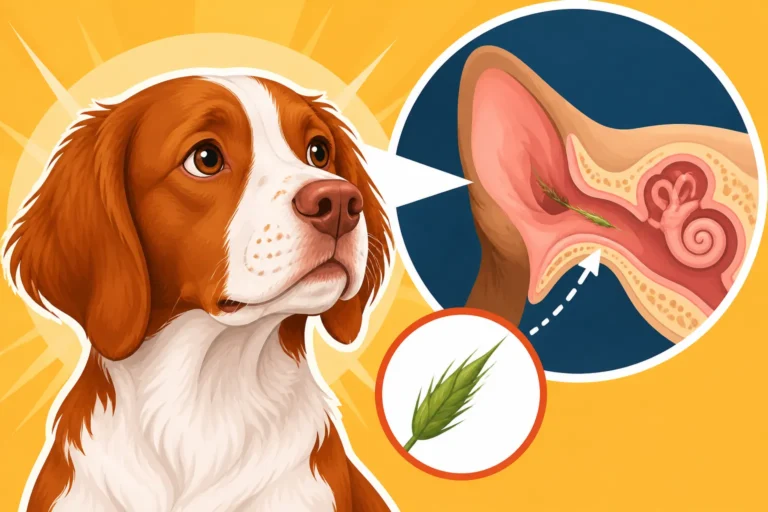
A professional groomer has specialized tools and techniques, as well as experience with handling uncooperative dogs and severely matted coats. They can often do a more efficient and less stressful job, sometimes even shaving down problem areas safely. A vet, on the other hand, is crucial if you suspect a burr has pierced the skin, migrated into an ear canal, or caused an infection. Foxtails, in particular, are notorious for burrowing and can lead to serious health issues if not professionally removed. While a groomer can often handle surface mats, any deep skin irritation, swelling, or signs of infection warrant a trip to the veterinarian. It might cost more, but it saves your dog from prolonged discomfort and potential complications.
Strategies to Speed Up Burr Removal and Prevent Future Issues
While burrs are an almost inevitable part of owning a bird dog, there are certainly ways to make the experience less painful for everyone involved. A proactive approach to care and having the right tools on hand can dramatically cut down on the time spent wrestling with those prickly little nuisances.
Post-Hunt Routine
The absolute best way to minimize burr removal time is to tackle them immediately after every outing. Don't wait until you're back home and settled; make a quick inspection a habit as soon as you exit the field. Even if you're still in the truck parking lot, a quick once-over can catch burrs before they have a chance to work their way deeper into the coat or before your Brittany shakes them further into their fur.
Carry a small grooming kit with you – a comb, perhaps a pair of blunt-nosed scissors, and a detangling spray. As soon as your dog is leashed, quickly check the most common trouble spots: ears, armpits, belly feathering, and between the toes. Gently pull out any obvious burrs. For tougher ones, a quick spritz of detangler can make a world of difference, allowing them to slide out more easily. Some experienced hunters even advocate for pre-treating longer feathering with a conditioning spray before heading into thick cover. This can create a smoother surface that burrs have a harder time adhering to. By addressing burrs when they're fresh and haven't had time to burrow, you can transform what could be an hour-long ordeal into a quick, ten-minute pit stop.
Essential Tools and Products
Having the right arsenal is critical for efficient burr removal. Forget trying to use a human brush; you need dog-specific tools designed for challenging coats like a Brittany's. A robust steel comb with both wide and narrow teeth is indispensable for teasing out individual burrs and small mats. A good slicker brush can help with general coat maintenance and removing loose burrs from the body. For dense feathering and tough mats, a dematting rake can be incredibly useful, but use it with caution to avoid skin irritation.
Beyond brushes, consider a detangling spray. Many brands offer excellent detanglers that lubricate the hair, allowing burrs to slip out more easily. For very stubborn, sticky burrs, a little bit of cornstarch or a special burr removal product can dry out the burr's stickiness and make it easier to crush and remove. You can find many of these grooming essentials at retailers like Chewy or Amazon, making it easy to stock your kit. Remember, blunt-nosed scissors are for emergency cutting only, always pointed away from the skin. Never use sharp-pointed scissors near your dog's skin, especially when they might be squirming. Having a quality, sharp pair of grooming scissors makes cutting safer if absolutely necessary.
Proactive Coat Care
Prevention is truly the best medicine when it comes to burrs. Regular grooming isn't just about making your Brittany look pretty; it's a vital part of field dog care that directly impacts how easily you can deal with burrs. Brushing your Brittany several times a week, even when not hunting, helps prevent mats from forming in their lush feathering. When mats aren't present, burrs have fewer opportunities to anchor themselves deeply. This regular attention also makes your dog more accustomed to being handled, easing the burr removal process when it does occur.
Consider strategically trimming some of the longer feathering, especially on the belly and legs, if your Brittany frequently runs through heavy cover. While it might slightly alter the traditional look, a shorter coat in these high-contact areas can significantly reduce the amount of burrs your dog picks up and dramatically speed up removal time. Talk to a professional groomer or experienced Brittany owner about appropriate field trims. It's a pragmatic choice many working dog owners make. The article Whether Trimming a Brittany's Feathering Helps in Burrs offers more insight into this topic. Products like high-quality kibble from brands like Ollie can also contribute to a healthier coat, which is less prone to matting and easier to clean. A well-nourished coat is often a healthier coat.
By implementing a rigorous post-hunt check, equipping yourself with the right tools and products, and maintaining a proactive grooming schedule, you can turn the inevitable chore of burr removal from a multi-hour battle into a much more manageable part of your outdoor adventures with your spirited Brittany.
Disclaimer
This article is for general informational purposes only and does not constitute professional advice. Laws, prices and regulations vary by location and change over time. Consult a qualified professional for guidance on your specific situation.