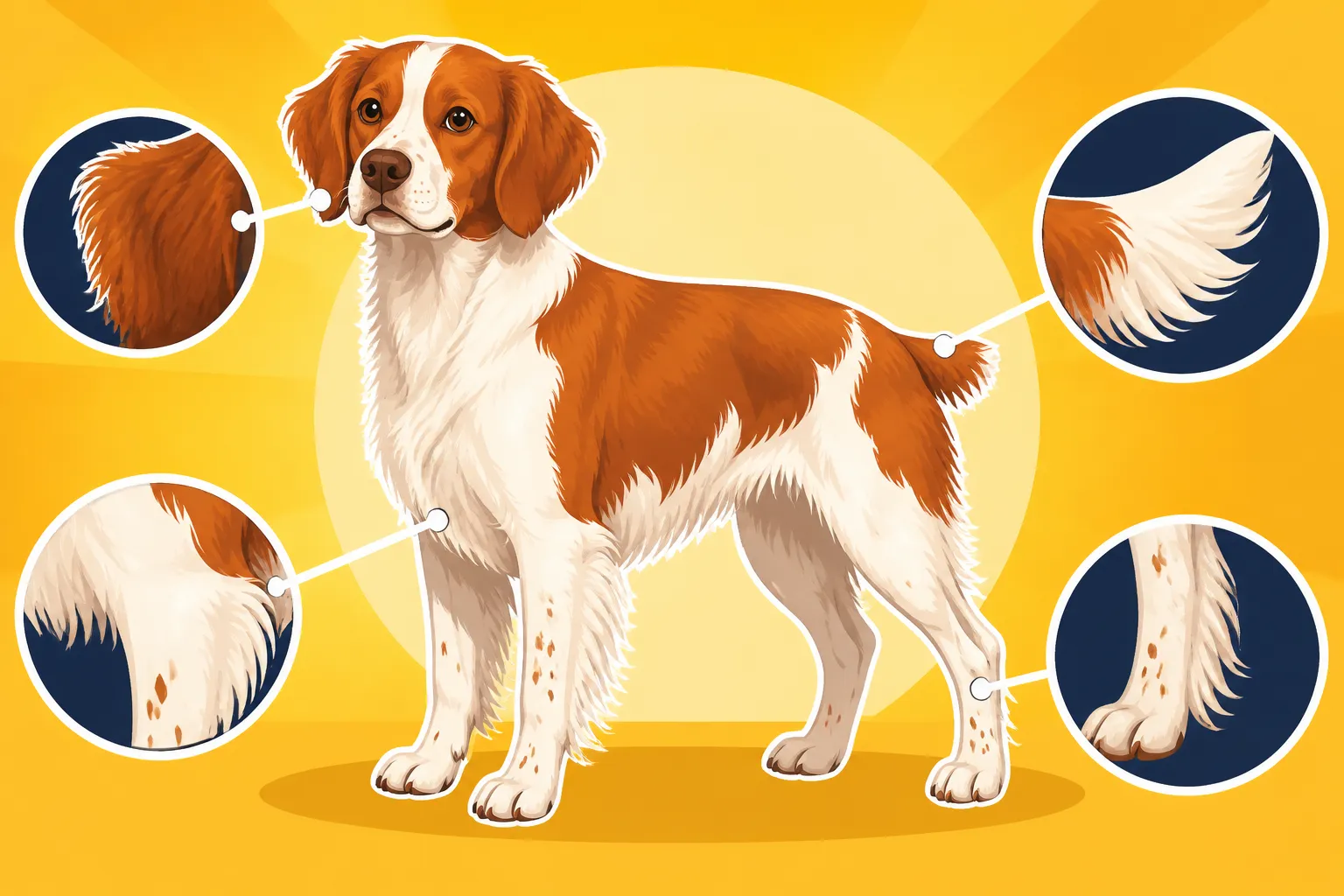
Where a Brittany’s Feathering Mats First
If you're a Brittany owner, you know the absolute joy and sometimes the sheer frustration that comes with their beautiful, flowing feathering. While it adds to their elegant look and offers some protection in the field, it also acts like a natural magnet for every burr, seed, and piece of debris out there. You finish a wonderful hunt, your Brittany is glowing with satisfaction, and then you begin the meticulous post-outing routine, only to find dreaded mats forming in the most tenacious spots. This guide is here to walk you through exactly where those stubborn tangles tend to appear first and what you can do about them.
Understanding Brittany Feathering: A Hunter's Blessing and Bane
Brittany feathering is truly a double-edged sword for owners. On one hand, it's gorgeous, giving the breed that distinctive, athletic elegance. On the other, it's a constant battle against nature's clingiest elements. Understanding the texture and purpose of this coat will help you grasp why certain areas are mat magnets.
The Nature of Brittany Feathering: Why it's Prone to Matting
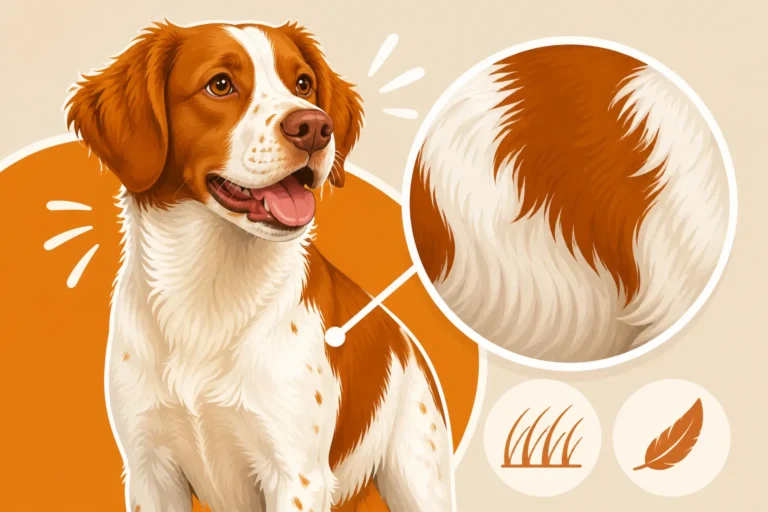
Unlike the shorter, denser coat on a Brittany's main body, the feathering is characterized by longer, finer, and often slightly wavy hair. You'll find it adorning their ears, the backs of their legs, their belly, and under their tail. This fine texture, while beautiful, is exactly what makes it so susceptible to matting. It's designed to offer some light protection against brush and cold, but it lacks the coarse, slick quality that would make debris shed easily. Instead, it tangles with remarkable speed, especially when wet, dirty, or put under friction. Think of it like a fine human hair that snarls more easily than coarse hair. Add in a dog's constant movement, rolling, and adventuring, and you have a perfect recipe for knots. It's a fundamental part of What a Brittany's Coat Is Like, and while A Brittany's Coat Is Low Maintenance Until It Hits Cover, that feathering demands extra attention.
Common Culprits: What Causes Matting in Brittany Feathering
It feels like anything and everything can cause a mat in a Brittany's feathering, doesn't it? And you're not wrong. The primary culprits are often found right where your dog loves to be: in the great outdoors. Burrs and sticky seeds are notorious for weaving themselves into the fine hair, quickly forming tight, painful knots. Mud and dampness, especially when combined with dirt and then allowed to dry, can cement the hair into solid clumps. Even benign things like dried leaves and twigs can become embedded.
Beyond outdoor elements, everyday life contributes too. Constant friction from collars, harnesses, or even just lying down can cause tangles. A lack of consistent grooming, especially during seasonal shedding, allows loose undercoat to become trapped within the longer guard hairs, forming dense mats. Static electricity, particularly in dry weather, can make the hair stand on end and cling together, paving the way for tangles. It's a constant battle, and if you've ever asked Whether a Brittany Mats, the answer is almost always a resounding yes.
The Primary Hotspots: Where Matting Hits First and Hardest
When you're inspecting your Brittany after an adventure, or even just a long day in the yard, there are specific areas where you should always check first. These are the matting hotspots, the places where tangles seem to sprout overnight and dig in with fierce determination.
The Legs and Pasterns: A Magnet for Debris
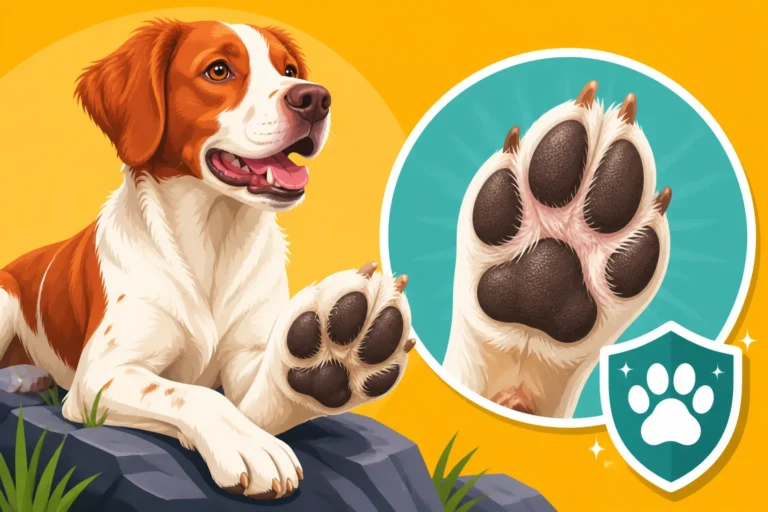
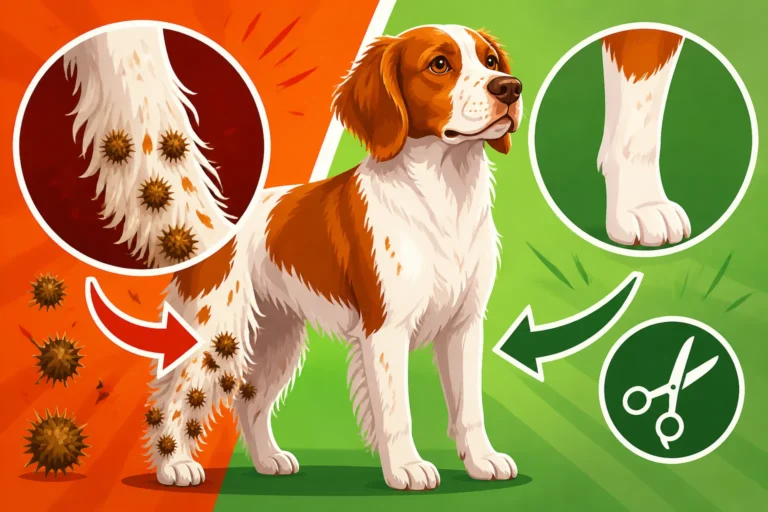
Ah, the legs. If there's one place where a Brittany's feathering truly shines – and collects everything – it's here. The long, silky "pants" on their hind legs and the "bracelets" around their front pasterns are magnificent, but they drag through every piece of underbrush, tall grass, and muddy puddle. As your Brittany strides through the field, those feathers brush against themselves and the environment, effectively gathering burrs, foxtails, and sticky seeds like a living broom.
Imagine your Brittany, full of vigor, quartering through a field of dry, reedy cover. Each sweep of their leg through the vegetation picks up tiny hitchhikers. Then, as they run, these tiny pieces rub against the delicate feathering, tightening into knots. Before you know it, what started as a few seeds can become a solid, painful mat that pulls at the skin. Checking The Feathering on a Brittany's Legs and Ears after every outing is not just recommended, it's essential.
Behind the Ears: The Hidden Tangle Trap
This spot is often overlooked, yet it's one of the most common places for severe mats to develop. The hair behind a Brittany's ears is exceptionally fine and soft, almost downy, making it incredibly prone to tangles. This area also experiences a lot of friction – from the ears themselves flopping, from collars or harnesses rubbing, and from the dog scratching or shaking its head.
Think about how often your dog shakes its head, particularly if it's been getting into water or has itchy ears. That constant movement, combined with the fine hair and any moisture, can quickly twist the hair into a tight, felt-like mat that's close to the skin. These mats are not only painful but can also hide skin irritation or even contribute to ear infections by trapping moisture and preventing air circulation around the ear canal. This is also why understanding Why a Brittany's Ears Get Infected Every Season is so crucial, as matting can exacerbate those issues.
The Armpits and Groin: Friction Points and Moisture Havens
These areas are sneaky. They're often out of sight, out of mind until a mat has become significant. The armpits (or axillae) and the groin region are prime locations for matting due to constant friction. When your Brittany walks, runs, or even just stands, its legs are constantly rubbing against its body in these areas. This mechanical friction, combined with the fine hair and potential for moisture (sweat from exertion, or just general dampness), creates a perfect storm for mat formation.
Mats in these regions can be particularly uncomfortable because they're in such sensitive areas. They can pull at the skin with every movement, leading to chafing, redness, and even open sores if left unattended. If your dog is reluctant to move or shows discomfort when being touched in these spots, it's often a tell-tale sign that a mat has taken hold.
The Belly Feathering: Low Rider, High Risk
The feathering that runs along your Brittany's underside, from the chest to the groin, also takes a beating. While not as long as the leg feathering, it's still long enough to drag through pretty much everything your dog walks or lays in. Whether it's wet grass, muddy trails, or dusty floors, this belly hair is constantly picking up debris.
If your Brittany loves to roll in the grass, or flop down for a rest during a break in the field, this feathering acts like a natural sponge and magnet. Wetness from dew or puddles combines with dirt, and as it dries, forms hard, uncomfortable mats. Over time, these mats can become quite wide and flat, making them difficult to spot and even harder to remove without careful attention. It's a common complaint, and Whether a Brittany's Belly Feathering Collects Debris is definitely a topic that resonates with many owners.
Prevention and Early Intervention: Keeping Those Feathers Flowing
The best defense against mats is a good offense. Consistent, proactive care can save you and your Brittany a lot of discomfort and hassle. It’s far easier to prevent a mat than to remove one.
The Daily Routine: Brushing and Post-Outdoor Checks
This is the cornerstone of mat prevention. A few minutes of daily brushing can make all the difference, especially for those areas prone to tangles. For Brittanys, a good quality pin brush, followed by a metal comb with both wide and fine teeth, is your arsenal. The pin brush gently removes loose hair and surface debris, while the comb helps you find and address small tangles before they escalate. Pay extra attention to the hotspots we just discussed: behind the ears, armpits, groin, and leg feathering.
Beyond daily brushing, a thorough check after every outdoor excursion is absolutely non-negotiable. This means carefully going over your dog with your hands and a comb, feeling for any burrs, seeds, or tangles that might have hitched a ride. It's truly part of What to Check on a Brittany After Every Outing. If your dog has been through water, make sure to dry the feathering completely to prevent moisture from setting mats.
Here’s a simple routine to adopt:
| Area to Check | Frequency | Tools to Use | Key Focus Points |
|---|---|---|---|
| Legs & Pasterns | Daily/Post-Hunt | Pin brush, wide-tooth comb | Burrs, seeds, mud, friction knots |
| Behind Ears | Daily | Fine-tooth comb | Small tangles, hidden mats, sensitivity |
| Armpits & Groin | Daily | Wide-tooth comb | Friction mats, moisture buildup, skin irritation |
| Belly Feathering | Daily/Post-Hunt | Pin brush, wide-tooth comb | Dirt, debris, burrs, dried mud |
| Overall Body Feathering | Every few days | Pin brush, slicker brush | General tangles, shedding undercoat |
Don't underestimate the power of regular, even quick, brushing sessions. It's amazing how much a quick pass with a comb can do. Consistent grooming, as detailed in How Often a Brittany Needs Brushing, is key.
Strategic Trimming and Maintenance
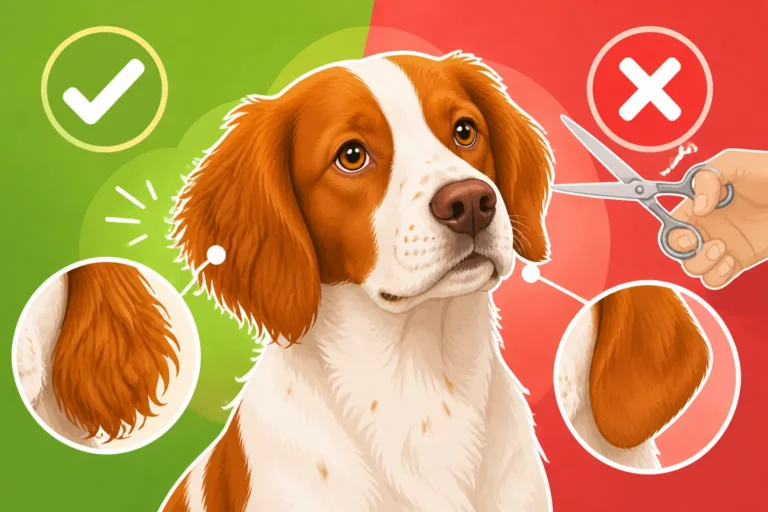
While we love the full, flowing look of Brittany feathering, sometimes a little strategic trimming is necessary for practicality and comfort, especially for working dogs. This isn't about shaving your Brittany, but rather tidying up the areas most prone to matting. Trimming the feathering on the belly and around the armpits can significantly reduce the amount of debris caught and the friction that leads to mats. You can also carefully thin out some of the thicker feathering behind the ears or on the back of the legs.
It's a balance: you want to maintain the breed's natural appearance and function, but also keep your dog comfortable and mat-free. Many hunting owners find that a slightly shorter, tidier feathering for the season makes post-hunt cleanup much easier. If you're wondering Whether a Hunting Brittany Should Be Trimmed Shorter or Whether Trimming a Brittany's Feathering Helps in Burrs, the answer is often a cautious yes, depending on the individual dog and the type of cover they work in. Always use blunt-nosed shears or clippers with a guard, and if you're unsure, consult a professional groomer or an experienced Brittany owner.
Product Power: Conditioners and Detanglers
Just like human hair, a Brittany's feathering can benefit from the right products. Using a good quality leave-in conditioner or detangling spray, especially before heading out into heavy cover, can create a smoother surface that makes it harder for burrs and debris to cling. It also makes the hair more pliable and easier to comb through if tangles do form.
You can find excellent detangling sprays and conditioners at most pet supply stores like Chewy, or order them conveniently online through Amazon. Look for products specifically designed for long-haired or sporting breeds, as these are often formulated to tackle tough tangles and repel dirt. Applied sparingly, these products can form a protective barrier, making that post-hunt brush-out a much less daunting task.
Dealing with Existing Mats: Gentle Removal and Damage Control
No matter how diligent you are, some mats are almost inevitable, especially after a particularly vigorous outing. The key is to address them as soon as you find them, while they're still small and manageable.
Small Mats: The Art of Detangling
When you find a small mat, resist the urge to pull or yank at it. That will only cause pain and make your dog resent grooming. Instead, arm yourself with patience, a wide-tooth comb, a fine-tooth comb, and a good detangling spray or cornstarch.
- Isolate the Mat: Gently separate the matted section of hair from the surrounding clear hair. Hold the base of the mat (closest to the skin) firmly with one hand. This prevents pulling on the skin as you work.
- Apply Lubricant: Spritz the mat generously with a detangling spray. If you don't have spray, a little cornstarch or even a small amount of human hair conditioner (diluted with water) can help. Work it into the mat.
- Work from the Outside In: Start at the very edge of the mat, teasing out individual strands or small clumps with the wide-tooth comb. Don't try to comb through the entire mat at once. Work slowly, strand by strand, from the ends towards the skin.
- Switch to Finer Comb: Once the outer layers are loosened, switch to a finer-tooth comb to work through the remaining tangles. Continue to hold the base of the mat to prevent discomfort.
- Praise and Breaks: Keep the session positive. Offer praise and small treats. If your Brittany gets antsy, take a break and come back to it.
Remember, patience is truly a virtue here. Rushing will only cause more stress for both of you.
Larger, Stubborn Mats: When to Grab the Clippers (Carefully)
Sometimes, a mat is just too tight, too big, or too close to the skin to comb out safely. In these cases, clipping it out might be the kindest option. However, extreme caution is needed, especially around sensitive areas like the armpits or behind the ears, where the skin is thin and easily nicked.
If you must clip:
- Use Safety Clippers: Invest in small, quiet clippers designed for pet grooming. A size 10 or 15 blade is usually good for getting under mats.
- Locate the Skin: Carefully slide the clipper blade under the mat, between the mat and the skin. This can be tricky. You might need to gently pull the mat upwards and away from the body to create a small gap.
- Go Slow, Be Gentle: With the blade flat against the skin (or as close as you can get without cutting the skin), slowly and carefully move the clipper, cutting the mat off. Never try to pull the mat and cut at the same time.
- Small Sections: If the mat is large, try to break it into smaller sections with scissors (using blunt-nosed, safety-tip scissors only) before clipping, always pointing the scissors away from the skin and only snipping into the mat itself.
A good rule of thumb: if you can't clearly see the skin beneath the mat, or if the mat is pulling the skin taut, it's best to proceed with extreme caution or seek professional help.
Professional Help: Knowing When to Call the Groomer
There's absolutely no shame in calling in the pros. Sometimes, mats are simply too extensive, too painful, or too risky for an owner to tackle alone. Professional groomers have specialized tools and techniques, and they know how to handle even the most severe matting safely and efficiently. They can often remove mats with less stress to your dog and without accidentally cutting the skin, which can happen all too easily at home.
If your Brittany has multiple large, tight mats, especially in sensitive areas, or if your dog is showing signs of pain or aggression during attempts to remove them, a trip to the groomer or even your veterinarian is advisable. They can assess the situation, sedate your dog if necessary, and remove the mats, often revealing irritated skin that may need further care. It's an investment in your dog's comfort and well-being.
Disclaimer
This article is for general informational purposes only and does not constitute professional advice. Laws, prices and regulations vary by location and change over time. Consult a qualified professional for guidance on your specific situation.