How Often a Brittany Needs Brushing
One of the most common questions I hear from fellow Brittany owners, especially those new to the breed, isn't about training or hunting, but about their dog's coat: "How often do I really need to brush this dog?" It's a completely fair question, because while their coat isn't as long as some setters, it's definitely not a wash-and-wear situation, especially if your Brittany lives up to its heritage. This guide is here to untangle the mystery and provide a realistic roadmap for keeping your Brittany's coat healthy, free of mats, and comfortable, no matter their daily adventures.
Understanding the Brittany's Unique Coat
Before we dive into the "how often," it’s crucial to understand what kind of coat your Brittany is sporting. It’s not just a pretty covering; it’s a functional piece of equipment, perfectly designed for their job in the field. But that functionality comes with specific care requirements that can often catch new owners by surprise.
The Double Coat and Feathering Explained
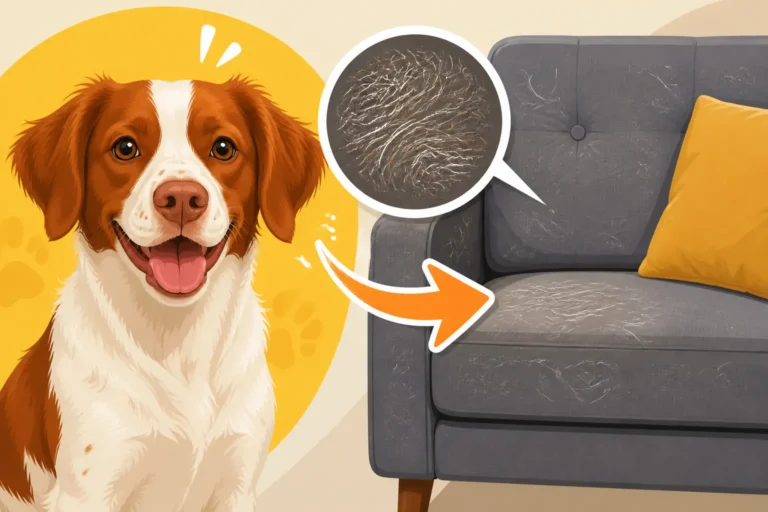
Your Brittany isn't just fluffy; they possess a distinct double coat. This means they have two layers working in tandem. First, there's a dense, soft undercoat, which acts as their personal insulation system, keeping them warm in chilly weather and providing a buffer against the summer sun. This is the layer that really starts to shed in clumps when the seasons change, and it's also the culprit behind much of the indoor hair accumulation. Over this protective undercoat lies the outer coat, which is usually flat or slightly wavy, offering a coarser texture that's fantastic for repelling water and protecting against brambles and thorns.
Then we have the famous "feathering." This is the longer, silkier hair found in specific areas: behind their ears, down the back of their legs, on their belly, and on their tail. While beautiful and characteristic of the breed, this feathering is a magnet for all things wild. It’s designed to provide a bit more protection in denser cover, but it also readily collects burrs, grass seeds, and mud, and it’s the primary spot where mats love to form. Understanding these distinct coat components is the first step in appreciating why regular brushing isn't just cosmetic, but essential for your Brittany's well-being.
Why Their Coat Is Prone to Tangles and Debris
Given their active, inquisitive nature, Brittanys are practically programmed to find every burr patch and muddy puddle in existence. Their feathering, in particular, acts like a natural broom, sweeping up everything in their path. A quick run through tall grass can leave their leg and belly feathering adorned with an impressive collection of seeds, twigs, and leaves. This isn't just an inconvenience; these foreign objects can quickly work their way into the coat, forming tight, painful mats if not removed promptly.
The dense undercoat, while insulating, also tends to trap shed hair against the skin. If this dead hair isn't brushed out, it can compact and form mats, especially in areas of friction like behind the ears, under the armpits, and around the tail. These mats aren't just ugly; they can pull on the skin, causing discomfort and even skin infections if moisture and debris get trapped underneath. So, that seemingly "low maintenance" coat your breeder might have mentioned? It's really A Brittany's Coat Is Low Maintenance Until It Hits Cover, which is almost every single time they step outside.
Brushing Frequency Based on Lifestyle
The answer to "how often?" really boils down to how much "Brittany-ing" your Brittany actually does. A couch potato Brittany (if such a creature truly exists!) will have vastly different grooming needs than a hardcore hunting dog. It’s all about tailoring the routine to their real-world adventures.
The Active Hunter's Brittany: Daily Brushing is a Must
For the Brittany that's truly living its best life, spending multiple days a week out in fields, marshes, or dense cover, daily brushing isn't just recommended—it's non-negotiable. Imagine what their coat endures: pushing through thick brush, diving into icy water, rolling in dry stubble, and navigating thorny patches. Each outing is an invitation for burrs, foxtails, ticks, and mud to become deeply embedded in their luscious The Feathering on a Brittany's Legs and Ears.
When your hunting partner returns from a rigorous day in the field, a thorough brush-down needs to be part of the cool-down routine. This isn't a quick once-over; it's a meticulous check of every inch of their body, focusing intensely on the feathering on their legs, belly, and ears. Small burrs can quickly turn into large, painful mats if left overnight, and a single foxtail can migrate from their coat into their skin or ears, causing serious problems. Being proactive with daily brushing after every hunt will save you a world of trouble, discomfort for your dog, and potentially expensive vet visits down the line. It's truly part of What to Do With a Brittany After Every Hunt.
The Weekend Warrior: A Few Times a Week
Perhaps your Brittany isn't a professional gun dog, but they certainly aren't strangers to adventure. They might spend their weekdays enjoying brisk walks around the neighborhood, but come Saturday and Sunday, they're tearing through hiking trails, romping at the dog park, or swimming in a local lake. For these "weekend warriors," a brushing schedule of two to three times a week is generally a good baseline.
This frequency allows you to keep the shedding under control, prevent the buildup of minor tangles, and regularly inspect their skin for any issues. However, just like their hard-hunting cousins, any significant outdoor excursion—especially one involving thick brush, muddy trails, or sandy beaches—should be followed by an immediate, thorough spot-check and brush. You might not need to do a full "line brushing" session every day, but quickly running a comb through their feathering and checking for anything suspicious after a big outing is a smart habit to cultivate. It ensures that the small adventures don't snowball into major grooming headaches.
The Family Companion: Weekly Maintenance
For Brittanys who enjoy a more sedate pace of life, primarily residing indoors with daily walks and yard playtime, a comprehensive weekly brushing session often suffices. These dogs still shed, and their feathering can still collect dust bunnies and minor tangles, especially if they enjoy rolling around in the grass. A dedicated hour once a week can make a significant difference in managing loose hair around your home and keeping their coat in good condition.
During this weekly session, you'll want to thoroughly work through their entire coat, paying close attention to those mat-prone areas like behind the ears, under the legs, and on their belly. This routine not only helps maintain their coat but also provides a wonderful opportunity for bonding and a full-body health check. You can feel for any new lumps, bumps, or skin irritations that might otherwise go unnoticed. While a weekly routine is good, always be prepared to brush more frequently if your family companion suddenly decides to channel their inner field dog during a particularly enthusiastic park visit.
Essential Brushing Tools for a Brittany
Having the right tools for the job makes all the difference. Trying to tackle a Brittany's coat with just one type of brush is like trying to build a house with only a hammer – you'll get some things done, but it won't be pretty or efficient. Investing in a few key grooming items will save you time, frustration, and ensure your Brittany is comfortable during their grooming sessions.
The Right Brushes for Different Coat Types
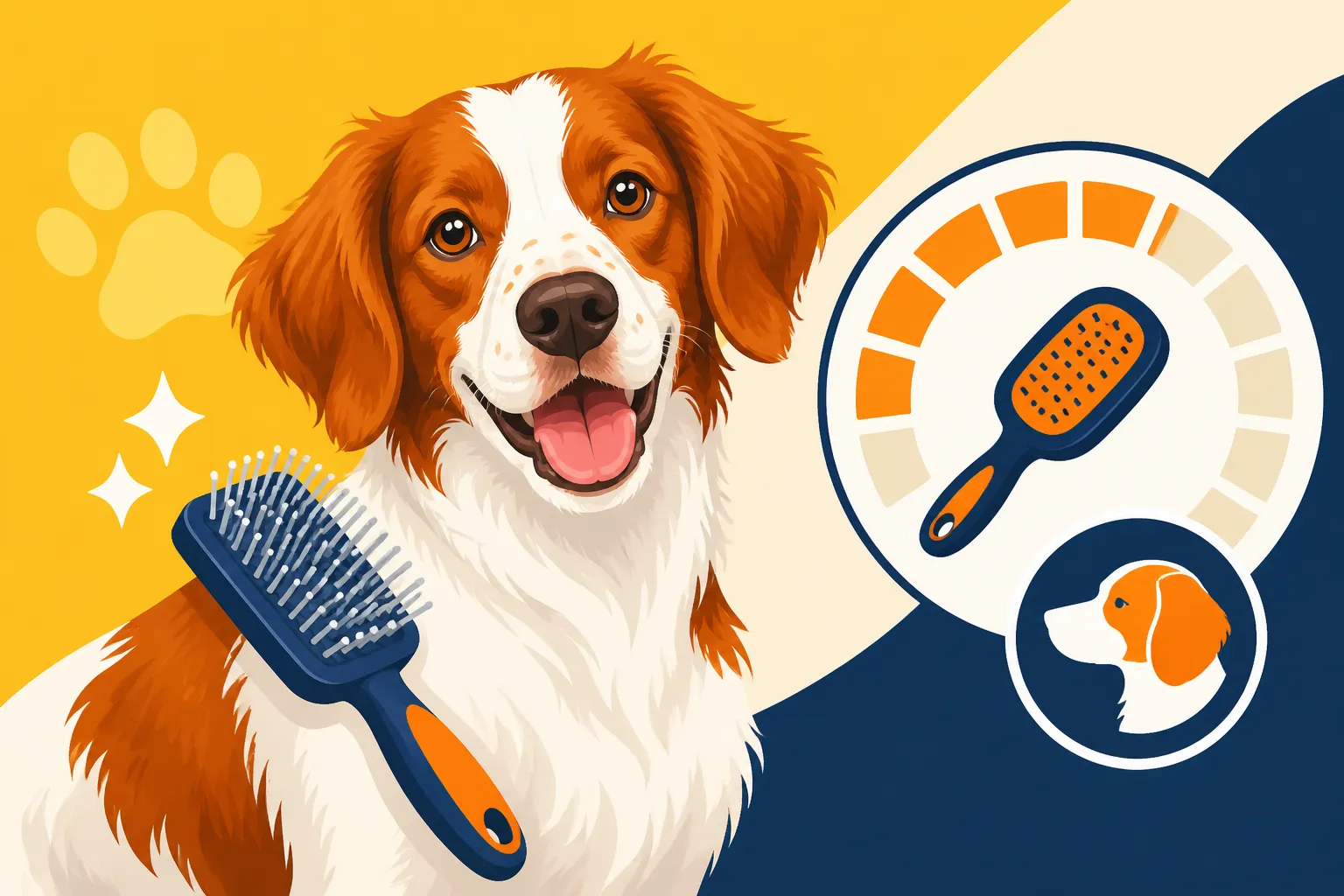
When it comes to brushing a Brittany, you'll need a small arsenal of tools, each serving a specific purpose. There isn't one magic brush that does it all.
First up, a slicker brush is indispensable, particularly for the dense undercoat and for gently working through mats. The fine, wire pins are designed to grab loose undercoat and help detangle surface mats without pulling too much on healthy hair. You'll want one that's comfortable in your hand and has pins that aren't too sharp. When using it, always brush away from the skin, and use a light touch to avoid "brush burn." This brush is your workhorse for removing dead hair and setting the stage for smoother coats.
Next, a pin brush is excellent for the longer feathering on your Brittany’s legs, ears, and belly. The pins are typically set in a rubber cushion and have rounded tips, making them gentler than a slicker brush on the delicate feathering. It helps to smooth out the longer hair, remove smaller tangles, and finish the coat. While not as aggressive for deep detangling, it’s perfect for regular maintenance and keeping that flowing feathering looking pristine.
Finally, a metal comb with both wide and fine teeth is your detail-oriented best friend. After you've gone over the coat with a slicker and pin brush, the comb allows you to really check for any hidden tangles or mats that the brushes might have missed, especially in those tight spots like behind the ears or in the armpits. It's also vital for removing burrs and teasing out small knots. Always work slowly and gently with the comb, especially on feathering, to avoid painful pulling. You can find excellent quality grooming tools, including these brush types, on sites like Chewy or Amazon, which offer a wide selection to suit your budget and your Brittany's specific coat needs. Finding Which Brush Suits a Brittany will make your life much easier.
Detangling Sprays and Conditioners
Sometimes, even with the best intentions and regular brushing, you'll encounter a stubborn tangle or mat. This is where detangling sprays and leave-in conditioners become incredibly helpful. Trying to rip through a mat with a dry brush is painful for your dog and frustrating for you. These products are formulated to lubricate the hair strands, making it easier for mats to loosen and separate without causing undue stress or breakage.
To use them effectively, generously spray the tangled area, allowing the product a few moments to soak in and work its magic. Then, using your fingers or the wide-toothed end of your metal comb, gently pick apart the mat from the outside in, working on small sections at a time. Avoid pulling directly from the root. Once the mat starts to loosen, you can then use your slicker brush to carefully brush it out. These sprays are especially useful after a long day in the field where your Brittany might have picked up a lot of debris, making the post-hunt brush-down much smoother and more pleasant for both of you.
Other Helpful Grooming Gear
Beyond the essential brushes and combs, a few other items can significantly enhance your Brittany's grooming experience and maintain their overall health.
A good pair of nail clippers or a nail grinder is vital. Long nails can cause discomfort, affect gait, and even lead to painful splits. Regular nail trims, ideally every 2-4 weeks, are a must. If you're unsure how to do it safely, ask your vet or groomer for a demonstration.
Ear cleaning solution and cotton balls are also critical, especially for a drop-eared breed like the Brittany. Their floppy ears create a warm, moist environment that's perfect for yeast and bacteria to thrive, making them prone to infections. Regular, gentle cleaning, perhaps weekly or bi-weekly depending on their activity level and ear health, can prevent many common ear issues. After a hunt, particularly if water was involved, always ensure their ears are dry and clean.
Finally, while not strictly a grooming tool, a grooming table or a non-slip mat can make brushing sessions much more comfortable for both you and your dog. A raised surface can save your back and keep your Brittany more contained during the process. Having everything organized and a comfortable setup encourages more consistent grooming habits.
| Tool Type | Primary Use | Best For | How to Use |
|---|---|---|---|
| Slicker Brush | Removing loose undercoat, detangling mats | Dense body coat, mat-prone areas | Short, gentle strokes away from skin; work through mats slowly |
| Pin Brush | Smoothing feathering, light detangling | Long feathering on legs, ears, belly, tail | Long, even strokes; gentle on sensitive areas |
| Metal Comb | Checking for missed tangles, removing debris | All over, especially delicate feathering | Work slowly, section by section; tease out knots, check for burrs |
| Detangling Spray | Lubricating mats, easing brush-through | Stubborn tangles, post-field debris | Spray generously on mat, allow to soak, gently pick apart before brushing |
| Nail Clippers | Trimming nails | All nails | Clip only the tip, avoiding the quick; or use a grinder |
| Ear Cleaner | Removing wax and debris, preventing infections | Inside ear canal, outer flap | Apply solution, gently massage, wipe clean with cotton ball; never use Q-tips |
The Brushing Process: A Step-by-Step Guide
Brushing your Brittany isn't just about dragging a brush through their coat. To be truly effective and comfortable for your dog, it requires a systematic approach. Think of it as a methodical way to ensure every inch of that beautiful coat is tended to.
Preparing for a Productive Brushing Session
Before you even pick up a brush, setting the right environment is key. A calm atmosphere makes the experience far more positive for your Brittany, especially if they're a puppy still getting used to grooming. Choose a time when your dog is relaxed, perhaps after a good walk or playtime, rather than when they're bursting with energy. Gather all your tools—slicker brush, pin brush, metal comb, detangling spray, and maybe a few treats—and have them within easy reach.
If your Brittany is particularly squirmy, consider using a non-slip mat on a raised surface, like a sturdy table, to save your back and keep them contained. For puppies or anxious dogs, short, frequent sessions are better than long, overwhelming ones. Start with just a few minutes, rewarding calm behavior with praise and treats. The goal is to make grooming a positive, bonding experience, not a wrestling match. Consistent, gentle handling from a young age will make future grooming sessions much easier.
The "Line Brushing" Technique
This technique is a game-changer for double-coated breeds like the Brittany, as it ensures you're reaching down to the skin and effectively removing dead undercoat and preventing mats from forming deep within the layers. You can't just skim the top of the coat; you need to get under it.
Here's how it works:
- Start at the bottom: Begin on one side of your Brittany, typically at a leg, and brush upwards or outwards against the natural lay of the hair.
- Part the coat: With one hand, use your fingers or a comb to part the hair, creating a "line" of skin.
- Brush below the line: With your other hand, use your slicker brush to brush a small section of hair below that line, working downwards. You want to brush from the skin out, ensuring you're removing all loose undercoat.
- Work your way up/across: Once that section is fully brushed, create another "line" of hair just above it, and repeat the process. You're essentially working in small, horizontal or vertical sections, moving across or up the dog's body, ensuring every part of the coat is brushed from the root to the tip.
This method can be time-consuming, but it is incredibly effective. It helps manage shedding, prevents painful mats, and gives you a chance to inspect the skin thoroughly. After using the slicker brush with this technique, follow up with a pin brush to smooth the feathering and a metal comb to check your work, especially in sensitive areas.
Special Attention Areas: Ears, Legs, and Belly
While the line brushing technique is great for the main body, certain areas on a Brittany require extra diligence and a gentler touch. These are the matting hotspots, the places where debris loves to accumulate, and where your Brittany is most sensitive.
The ears are often ground zero for tangles. The long feathering behind and below the ear flap easily collects burrs and forms knots. Always support the ear leather at the base and gently work through the feathering with a pin brush and metal comb. Be extremely careful, as pulling on tangles here can be very painful. Also, remember to lift the ear flap and check the ear canal for cleanliness and any signs of infection.
The legs, particularly the "pants" on the back of the thighs and the feathering on the front legs, are constantly in motion and exposed to the environment. This means they are prime candidates for tangles and embedded debris like How to Get Burrs Out of a Brittany's Coat. Brush in sections, paying close attention to the joints where hair can rub and mat. The belly and armpit areas also tend to mat quickly due to friction from movement and contact with the ground. These are incredibly sensitive spots, so gentle brushing with a pin brush and careful comb work is essential. Always approach these areas with patience and a light hand. It's often where you'll find Where a Brittany's Feathering Mats First.
Seasonal Considerations and Common Coat Problems
Your Brittany's coat isn't static; it changes with the seasons, and with those changes come different grooming challenges. Understanding these cycles and common problems can help you adjust your brushing routine to keep your dog comfortable year-round.
Shedding Season: Doubling Down on Brushing
Brittanys, like many double-coated breeds, have distinct shedding seasons, typically in the spring and fall. This isn't just a little extra hair; it's a significant coat blow where they shed their old undercoat to make way for a new, seasonally appropriate one. During these periods, the amount of loose hair can be truly astonishing, and if not managed, it can quickly lead to painful, compacted mats.
During shedding season, you'll need to double down on your brushing efforts. Daily, thorough brushing sessions using your slicker brush with the line brushing technique become even more critical. This proactive approach helps to remove the dead undercoat before it has a chance to tangle and bind up, keeping your Brittany more comfortable and reducing the amount of hair tumbleweeds rolling across your floor. Consider investing in a deshedding tool, but use it sparingly and carefully, as overuse can damage the outer coat. Remember, shedding is a natural process, but managing it effectively is vital for your Brittany's skin and coat health. How Much a Brittany Sheds might surprise you.
Battling Burrs, Foxtails, and Mats
One of the most persistent battles a Brittany owner faces is against the natural world itself—specifically, burrs, foxtails, and the inevitable mats they cause. These tenacious plant materials are masters at clinging to and embedding themselves in a Brittany's coat, especially their feathering.
Burrs are often a nuisance, but they can quickly lead to painful mats if not removed. The key is prevention through immediate post-outing checks. If you find burrs, don't just yank them out. Instead, work them out gently with your fingers, or use a metal comb to carefully tease them out, starting from the outside of the burr and working inwards. A detangling spray can also help.
Foxtails are far more dangerous. These barbed seeds can burrow into the skin, ears, nose, or even between the toes, leading to serious infections. Where Foxtails Hide on a Brittany means you need to be vigilant. After every outing, especially in areas where foxtails are prevalent, meticulously check your Brittany's entire body. Feel between their toes, inside their ears, and along their armpits and groin. If you find one, remove it carefully. If you suspect one has embedded or migrated, a vet visit is imperative.
Mats form when shed hair, dirt, and debris become tangled and compacted. They can range from small knots to large, dense felt-like patches that pull on the skin. The best defense against mats is consistent brushing. If you do find a mat, never try to cut it out with scissors unless you are absolutely certain of what you're doing, as it's incredibly easy to cut the skin underneath. Instead, use a detangling spray and carefully work the mat apart with your fingers and a metal comb, starting at the outer edges. For severe matting, a professional groomer or veterinarian might be needed to safely shave it out.
Dealing with Skin Irritations Under the Coat
Regular, thorough brushing isn't just about managing hair; it's also your primary method for monitoring your Brittany's skin health. Their dense coat can easily hide underlying issues, making consistent inspection crucial.
As you brush, pay attention to the condition of their skin. Look for redness, flakiness, bumps, rashes, or any unusual odors. Mats, in particular, can create a perfect breeding ground for bacteria and yeast, leading to hot spots or other skin infections. Hot spots, or acute moist dermatitis, are intensely itchy, rapidly spreading bacterial skin infections that are often hidden by the coat. Whether a Brittany Gets Hot Spots is a common concern for active dogs, especially in warmer, humid weather. If you notice a hot spot, it will require immediate attention, often including shaving the area and veterinary treatment.
Regular brushing allows for early detection of parasites like fleas or ticks, which can hide effectively in the thick coat. It also helps to distribute natural skin oils, promoting a healthy, shiny coat and preventing dry, irritated skin. If you notice persistent itching, scratching, or any concerning skin conditions during your grooming sessions, don't hesitate to consult your veterinarian. They can help diagnose the issue and recommend appropriate treatment, ensuring your Brittany's skin stays as healthy as their coat.
Disclaimer
This article is for general informational purposes only and does not constitute professional advice. Laws, prices and regulations vary by location and change over time. Consult a qualified professional for guidance on your specific situation.