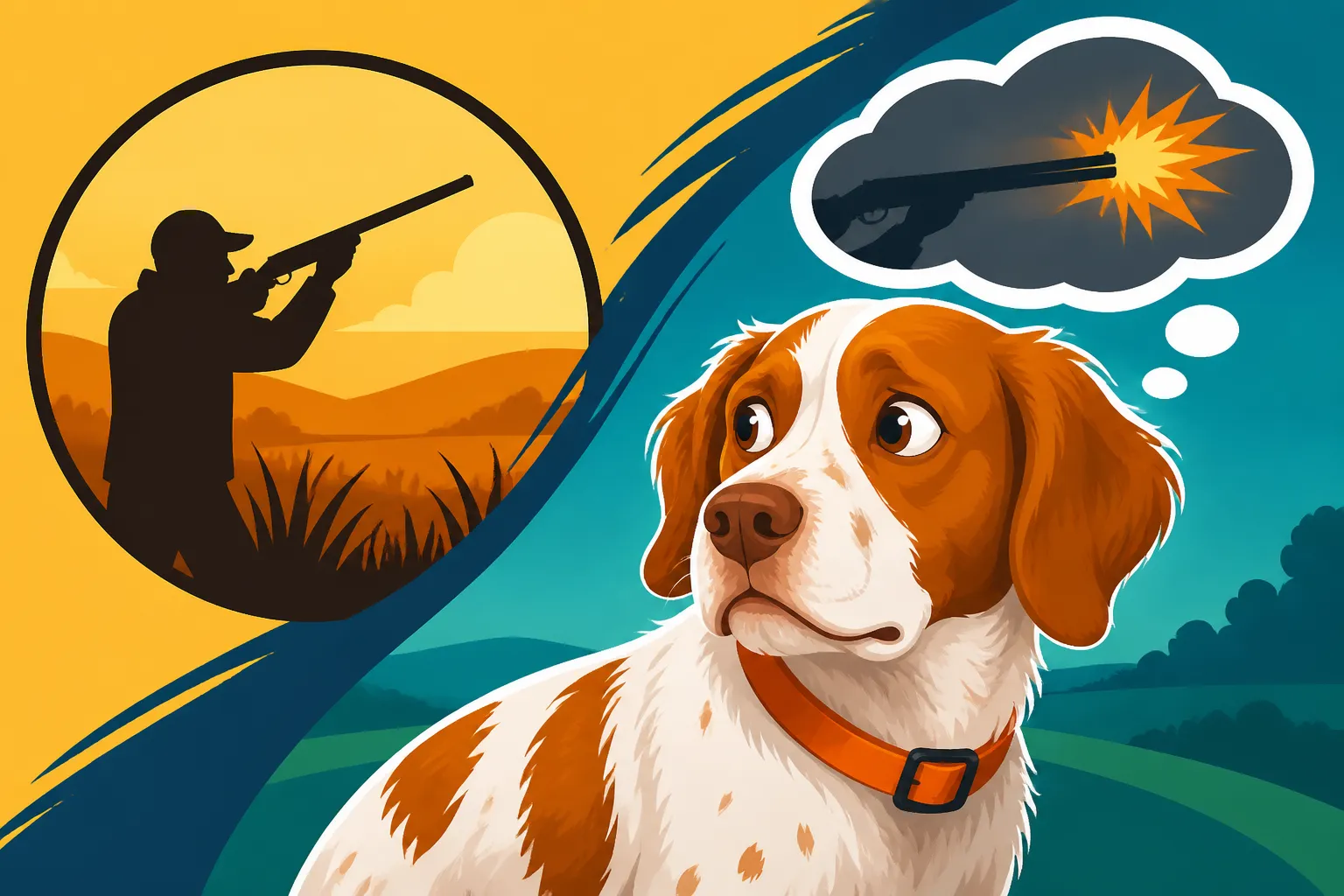
Whether a Rescue Brittany Comes Gun Shy
One of the most heartbreaking concerns for anyone considering bringing a rescue Brittany into their home, especially if you're a hunter, is the possibility of them being gun shy. It's a valid fear, as gun shyness can severely limit a dog's potential in the field and even impact their daily life. This guide will help you understand what gun shyness entails, why it might affect a rescue Brittany, and how to assess and, hopefully, overcome it.
Understanding Gun Shyness in Brittanys
Gun shyness isn't just about a dog being startled by a loud noise; it's a profound fear response that can manifest in various ways, from mild anxiety to outright panic and phobia. For a breed like the Brittany, which is inherently bred for fieldwork involving gunshots, this condition can be particularly devastating for both the dog and its owner. It's crucial to understand its nuances to approach it effectively.
The Nature of Gun Shyness
True gun shyness is an adverse reaction to the sound of gunfire, usually stemming from a negative association or a lack of proper, gradual introduction to loud noises. It's not a sign of a weak dog, but rather a deeply ingrained fear. Imagine suddenly being exposed to an incredibly loud, unexpected sound that shakes you to your core, and then having that experience repeated. It can be truly terrifying for a dog. Brittanys are often described as a "soft" breed, meaning they can be more sensitive to harsh corrections or negative experiences, which can unfortunately make them more susceptible to developing gun shyness if not handled with care. A dog might tuck its tail, shake, try to flee, or even become aggressive out of fear. This isn't just about hunting; a gun-shy dog might react to fireworks, thunderstorms, or even a car backfiring, making everyday life a challenge.
Common Triggers and Early Experiences
The most common trigger, of course, is an improperly introduced gunshot. Picture a young Brittany puppy, barely introduced to the world, suddenly having a shotgun blast go off too close. This single, traumatic event can imprint a lifelong fear. Other factors can contribute too, such as being around an older, gun-shy dog whose fear can rub off, or even general anxiety that makes a dog more prone to phobias. The critical window for introducing sounds to a puppy is often between 8 and 16 weeks, and if this period is mishandled or missed entirely, the risk increases. Without a controlled, positive progression from distant, soft sounds to closer, louder ones, the sudden shock of a gun going off can be truly detrimental. This is why responsible breeders take such care with The Age a Brittany Should Hear Its First Shot and How to Introduce a Gun to a Brittany.
Why a Rescue Brittany Might Be Gun Shy
When you open your heart to Adopting a Brittany From Rescue, you're taking on a dog whose past might be a complete mystery. This unknown history is precisely why the question of gun shyness often looms larger for rescue dogs than for puppies from a known breeder.
Unknown History and Past Trauma
Many rescue Brittanys come from situations where their previous life is either unknown or, sadly, involved neglect or trauma. Perhaps they were owned by someone who tried to introduce them to guns too quickly or harshly, leading to a permanent aversion. They might have been left alone during fireworks or thunderstorms, developing generalized noise phobias that extend to gunshots. Some Brittanys even end up in rescue precisely because they developed gun shyness and were no longer deemed suitable for hunting by their previous owners. This isn't uncommon, as Why Brittanys Come Into Rescue often involves behavioral or training issues that owners couldn't or wouldn't address. A rescue dog may have a history of being bounced between homes, each new environment adding to their general anxiety, making them more reactive to unexpected stimuli.
Lack of Proper Introduction to Guns
Even if a rescue Brittany didn't experience outright trauma, they might simply never have been properly introduced to gunfire at all. Not every Brittany, even from hunting lines, starts its life with an owner who intends to hunt with them. Some are raised as family pets, and if they're then surrendered to a rescue, they might be several years old and have no experience with loud noises beyond typical household sounds. Introducing a gun to an adult dog without any prior desensitization is a recipe for disaster. This lack of foundational training, whether intentional or accidental, can leave a dog unprepared for the field. They might have a natural bird drive, but their lack of exposure to gunshots will be a significant hurdle. This is a common pitfall that can ruin a young dog around the gun (Why a Brittany Is Easy to Ruin With a Gun).
Assessing a Rescue Brittany for Gun Shyness
When considering a rescue Brittany, don't let the fear of gun shyness deter you completely. With careful assessment and the right approach, you can often get a good sense of a dog's predisposition, and sometimes even work through mild issues.
Questions to Ask the Rescue Organization
The rescue organization is your first and best resource. Be direct and honest about your intentions, especially if you plan to hunt with the dog. Ask specific questions:
- "Do you know anything about this Brittany's previous living situation or why they were surrendered?" This can give clues about their background.
- "Has this dog ever been exposed to loud noises, like cap guns, blank pistols, or even fireworks, since being in your care?" Some rescues attempt basic desensitization.
- "Have you observed any strong reactions to loud noises in general, such as thunderstorms or sudden drops?" This can indicate a broader noise sensitivity.
- "What is this dog's general temperament like? Are they nervous, confident, easily startled?" A generally anxious dog might be more prone to gun shyness.
- "Has this dog shown any prey drive or interest in birds?" A strong bird drive can sometimes help overcome mild noise sensitivity, but it's not a cure-all.
Remember, the rescue staff wants the dog to find a forever home, and they should be transparent about known issues. Don't be afraid to ask for details, even if the answer isn't what you hoped for. Many rescue groups do try to assess temperaments thoroughly, and some even perform basic evaluations for noise sensitivity, especially if the dog is a sporting breed. Check if the rescue organization provides details on Whether a Rescue Brittany Has Been Screened for temperament or health issues.
Behavioral Cues to Look For
While you won't be able to fire a gun during an adoption meeting (and you absolutely shouldn't!), you can look for general behavioral cues that might signal underlying noise sensitivity or anxiety.
- Reactivity to daily sounds: How does the dog react to a dropped leash, a car door slamming outside, or a loud clap? A dog that startles easily at these common sounds might have a lower tolerance for sudden, loud noises.
- Body language in new environments: Observe their overall demeanor. Are they tail tucked, cowering, panting excessively, or trying to hide when new stimuli appear? These can be signs of general anxiety.
- Recovery time: If they do startle, how quickly do they recover? A dog that bounces back quickly is often more resilient than one that remains agitated for an extended period.
- Approachability and confidence: A confident dog that readily approaches new people and situations may be less likely to develop severe phobias. Conversely, a timid or shy dog might be more predisposed to fear reactions.
- Play behavior: Does the dog engage in play easily? A dog that is too anxious to play might also be too anxious to learn new things or overcome fears.
It’s worth noting that general shyness or fearfulness is different from gun shyness, but a dog that exhibits high levels of general anxiety is certainly at a higher risk.
| Trait | Potential Sign of Gun Shyness / Noise Phobia | Potential Sign of General Shyness / Timidity |
|---|---|---|
| Reaction to Loud Noise | Immediate, intense panic (flight, freeze, fight), frantic attempts to escape, shaking, vocalization (whining, barking). | Startles, may duck or flinch, but recovers relatively quickly. May seek comfort from handler. |
| Specific Trigger | Predominantly loud, percussive sounds (gunshots, fireworks, thunder). | Various novel stimuli, new people, unfamiliar environments, sudden movements. |
| Duration of Fear | Can be prolonged, extending beyond the noise event itself, leading to lingering anxiety. | Usually subsides once the perceived threat is gone or the dog habituates. |
| Impact on Life | May prevent participation in specific activities (hunting, outdoor sports); can make daily life stressful during storms or holidays. | May make initial introductions or new experiences challenging, but generally less impactful on core activities. |
| Body Language | Extreme avoidance, frantic panting, drooling, dilated pupils, tucked tail, flattened ears, trying to hide or bolt. | Tucked tail, lowered head, avoids eye contact, may tremble, stays close to owner. |
Working with a Gun-Shy Rescue Brittany
Discovering your rescue Brittany is gun shy can be disheartening, but it's not necessarily the end of the road. While severe cases might require a shift in your expectations for fieldwork, many dogs can improve with patience, consistency, and the right methods.
Desensitization and Counter-Conditioning
The cornerstone of working with a gun-shy dog is gradual desensitization combined with counter-conditioning. This means slowly exposing your dog to the trigger (the sound of gunfire) at such a low level that it doesn't provoke a fear response, while simultaneously creating a positive association with that sound.
Here's a general approach:
- Start incredibly small: Begin with the absolute lowest volume and furthest distance possible. This might mean playing a recording of gunshots on your phone at the lowest setting in a distant room, or having a friend pop a cap gun a quarter-mile away. The key is that your dog should not react fearfully. If they do, you've started too close or too loud.
- Pair with positive reinforcement: As soon as your dog hears the sound, immediately follow it with something overwhelmingly positive – their favorite high-value treats, a beloved toy, or a game of fetch. The goal is for them to associate the sound with good things. You can find excellent training treats and enrichment toys on sites like Chewy to help with this.
- Gradual progression: Over weeks or months, slowly increase the volume or decrease the distance, always ensuring your dog remains calm and happy. If they show any signs of fear, you've gone too fast, and you need to dial it back. This process requires immense patience and cannot be rushed.
- Vary the environment: Once comfortable in one setting, introduce the sounds in different, calm environments.
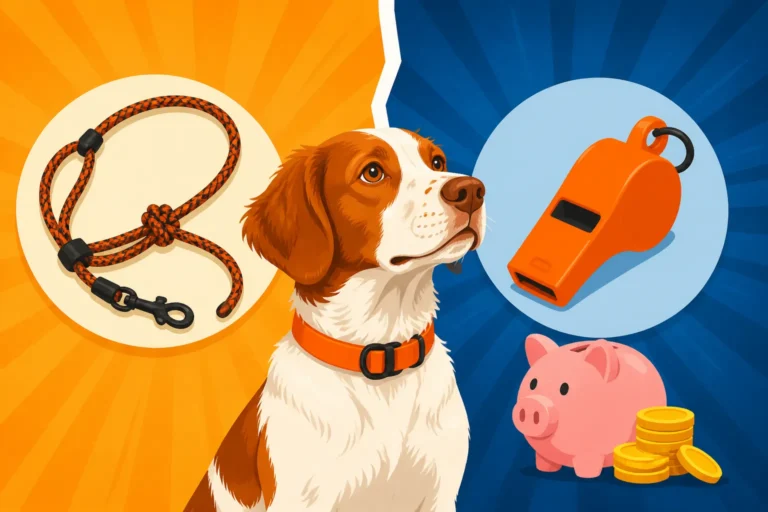
- Professional Tools: Once you progress past cap guns or starter pistols, you might consider specific training equipment like an e-collar with a tone or vibration setting to get their attention before a shot, but always introduce these carefully and under professional guidance to avoid creating new negative associations.
Remember, this isn't about "curing" the fear overnight, but about managing it and changing the dog's emotional response. Some dogs may never be truly comfortable enough for a busy hunting environment, but they might become tolerant enough for quiet retrieves or less intense field work. The focus should always be on the dog's well-being and building trust.
Seeking Professional Guidance
While self-help methods can be effective for mild cases, severe gun shyness warrants professional help. A certified professional dog trainer specializing in gun dogs or fear-based behaviors, or a veterinary behaviorist, can provide invaluable guidance. They can assess your individual dog, develop a tailored training plan, and teach you the nuances of desensitization and counter-conditioning.
- Experienced Gun Dog Trainers: Many trainers specialize in preparing Brittanys for the field and have extensive experience rehabilitating gun-shy dogs. They often have access to controlled training environments and specialized equipment.
- Veterinary Behaviorists: For very severe phobias, a veterinary behaviorist can be a game-changer. These are veterinarians with advanced training in animal behavior. They can sometimes prescribe anti-anxiety medication to help reduce your dog's overall stress level, making them more receptive to behavioral modification. This isn't a standalone solution but a tool to help the training be more effective.
- Holistic Approaches: Some owners explore alternative therapies, but these should always be discussed with a vet or behaviorist to ensure they complement, rather than hinder, traditional training.
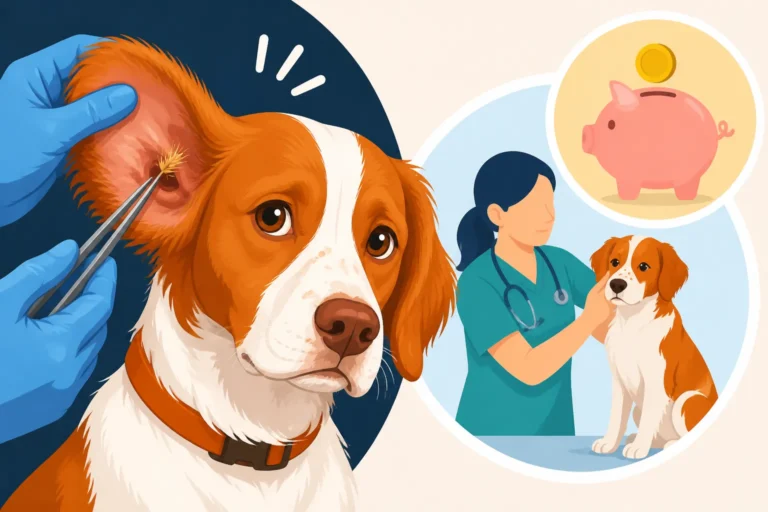
Working with a professional means you have an expert eye guiding you, ensuring you don't inadvertently set back your progress. It's an investment, but one that can significantly improve your Brittany's quality of life and your relationship with them. Also, remember that unexpected vet visits for behavioral issues, or even general health needs, can arise. Pet insurance providers like Healthy Paws can offer peace of mind when considering veterinary behaviorist consultations or potential medication costs. Ensuring your Brittany is on a high-quality, consistent diet, like those offered by Ollie, can also contribute to their overall well-being, which is crucial for any dog undergoing stress or training challenges.
Taking on a rescue Brittany means accepting the possibility of unknown challenges, including gun shyness. It’s a commitment that requires patience and understanding, but the rewards of seeing a fearful dog transform into a confident companion are immeasurable. Do your homework, ask the right questions, observe carefully, and be prepared to invest time and possibly professional help. With the right approach, many rescue Brittanys can learn to manage their fears and live fulfilling lives, whether in the field or simply enjoying the sounds of a thunderstorm without panic.
Disclaimer
This article is for general informational purposes only and does not constitute professional advice. Laws, prices and regulations vary by location and change over time. Consult a qualified professional for guidance on your specific situation.