What a Brittany’s Yearly Eye Certification Costs
It's a common worry for Brittany owners, isn't it? You want to do everything right for your beloved companion, especially when it comes to their health, but the veterinary bills can quickly add up. Understanding the nuances of maintaining your Brittany's health, particularly their eye health, is crucial, and that includes navigating the costs associated with regular eye certifications. This guide is here to shed some light on why these exams are so important, what goes into them, and what you can realistically expect to pay, helping you budget for your Brittany's vision for years to come.
Why Yearly Eye Certifications Are a Must for Brittanys
When you look into those intelligent, soulful eyes of your Brittany, you want to make sure they stay clear and bright throughout their life. It's not just about comfort; it's about preserving their quality of life, especially for a breed that thrives on seeing the world, whether in the field or the backyard. Many owners are surprised to learn that yearly eye certifications aren't just for breeding dogs; they're a vital part of proactive health management for all Brittanys.
Understanding Breed-Specific Eye Conditions
Brittanys, like many purebred dogs, can be predisposed to certain inherited eye conditions. These aren't always immediately obvious, and some can progress silently for years before you notice any symptoms. That's why regular screening is so crucial. Catching issues early can make a world of difference in managing the condition and preserving your dog's sight.
One of the conditions we often discuss is Retinal Dysplasia in a Brittany Spaniel, which involves an abnormal development of the retina. While some forms might be mild and barely affect vision, others can lead to more significant impairment. Similarly, Glaucoma in a Brittany Spaniel is a painful and potentially blinding condition caused by increased pressure within the eye. Early detection and aggressive treatment are paramount to saving vision and alleviating discomfort. Another concern can be the development of Cataracts in a Brittany Spaniel, which cause clouding of the eye's lens and can impair vision. While cataracts can occur at any age and for various reasons, some forms are inherited.
The Role of Certification in Proactive Health
Yearly eye certifications, often performed by a board-certified veterinary ophthalmologist, are designed to identify these genetic and acquired eye diseases. For breeders, these certifications are non-negotiable, helping to ensure they aren't passing on undesirable traits. It's part of the comprehensive health screening that a responsible breeder should undertake, contributing to the overall health of the breed, as highlighted in "What a Brittany Breeder Should Have Tested".
But even if your Brittany isn't destined for breeding, these annual checks are incredibly valuable. They establish a baseline for your dog's eye health, making it easier for the specialist to spot subtle changes year after year. Think of it as a crucial preventative step, much like their annual physical exams. Many owners ask Whether a Brittany Needs a Yearly Eye Exam, and the answer is a resounding yes, especially as they get older, just like us! It’s all about maintaining that sharp vision they rely on.
What a Brittany's Eye Certification Entails
When you take your Brittany for its yearly eye certification, it's not just a quick peek into their eyes. This is a specialized examination, often quite thorough, performed by a veterinary ophthalmologist who has extensive training in eye health. Understanding the process can help alleviate any anxiety you or your dog might have.
The Examination Process Explained
The core of a yearly eye certification is a comprehensive ocular examination. The ophthalmologist will use specialized equipment to thoroughly inspect every part of your Brittany's eyes. This typically begins with an assessment of the eyelids, tear ducts, and the surface of the eye (cornea). They'll be looking for any abnormalities, irritation, or signs of injury.
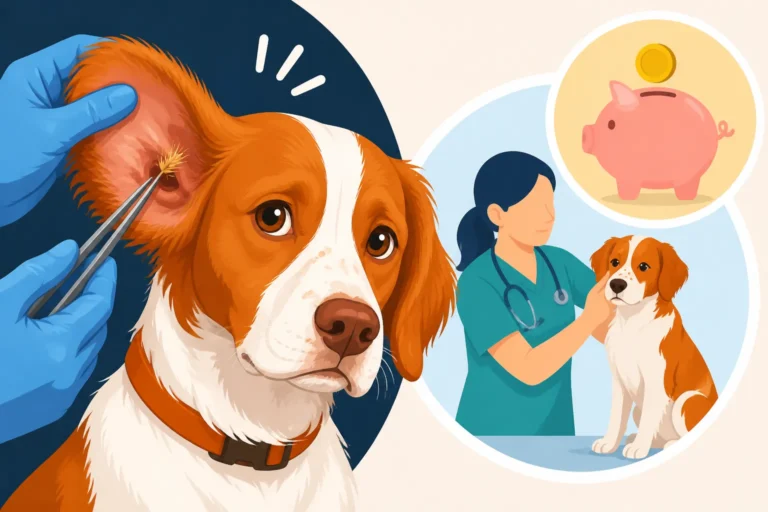
Next, dilating eye drops will be administered. This step is crucial because it allows the ophthalmologist to get a clear view of the deeper structures of the eye, particularly the lens, vitreous, and retina. It takes about 15-30 minutes for the drops to take full effect, so expect a bit of a wait after they're given. During this time, your Brittany might feel a little odd, and their vision will be temporarily blurry due to the dilation. Once the pupils are fully dilated, the specialist will use an indirect ophthalmoscope and a bright light to examine the retina at the back of the eye. They'll also use a slit lamp biomicroscope to get a magnified view of the lens and other internal structures, checking for cataracts, retinal dysplasia, or any other genetic or acquired conditions. This is all meticulously recorded to track changes over time.
The Role of OFA and CERF
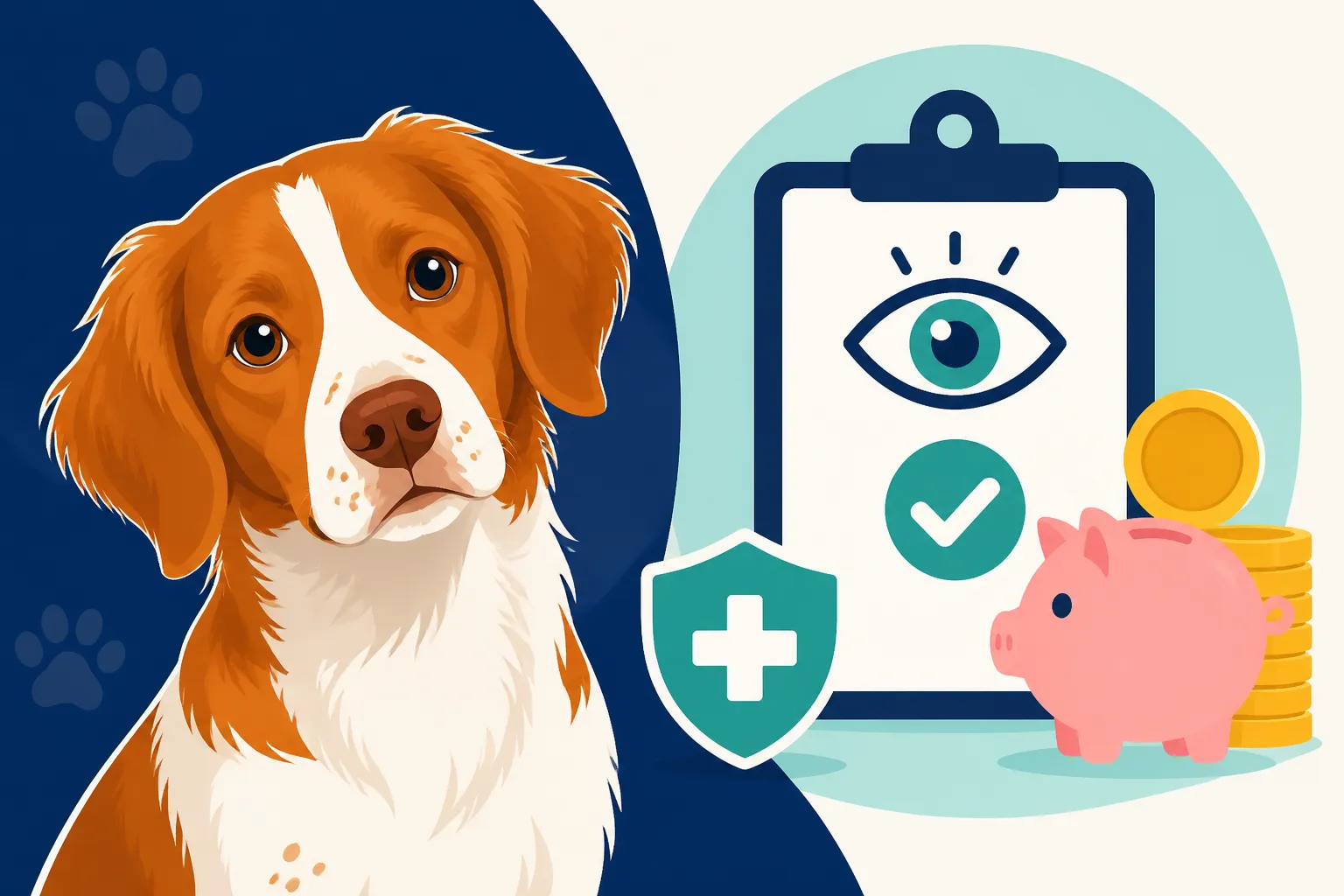
In the United States, eye certifications are often recorded with organizations like the Orthopedic Foundation for Animals (OFA) through their Eye Certification Registry (formerly CERF). The ophthalmologist will complete a detailed form, noting any abnormalities found. If the eyes are clear of inherited disease at the time of examination, the dog receives a certification number, which is valid for one year. This record-keeping is incredibly important, especially for breeding programs, but it also gives non-breeding owners a clear, documented snapshot of their dog's eye health.
It's a good idea to know How Often a Brittany's Eyes Should Be Certified, especially if you're planning to breed, but even if you're not, the annual check provides peace of mind. For puppies, there's even a specific time for their first check, as detailed in "When a Brittany Puppy's Eyes Should Be Checked". These consistent records are a cornerstone of responsible pet ownership and help contribute to the health of the entire Brittany population.
Understanding the Costs Involved in Eye Certifications
Let's be real, the cost is often one of the first things on our minds when we talk about specialized vet visits. Eye certifications, while essential, do come with their own price tag, and it's helpful to know what factors influence it so you can plan accordingly.
Breaking Down the Examination Fees
The core fee for a Brittany's yearly eye certification generally covers the ophthalmic examination itself. This includes the specialist's time, the use of their sophisticated equipment like the slit lamp and indirect ophthalmoscope, and the dilation drops. These fees can vary quite a bit depending on your geographic location, the specific veterinary ophthalmologist's practice, and even whether you're visiting a university teaching hospital versus a private specialty clinic. You might find that larger metropolitan areas tend to have higher prices than more rural settings, simply due to overheads and demand.
On top of the examination fee, there might be a separate fee for submitting the results to the OFA Eye Certification Registry. This is usually a smaller, administrative cost. Keep in mind that if the ophthalmologist finds something concerning, they might recommend additional diagnostic tests. These tests are not included in the standard certification fee and would incur separate charges. Such tests could include an electroretinogram (ERG) to assess retinal function, gonioscopy to examine the drainage angle of the eye (relevant for glaucoma), or even ultrasound of the eye. Each of these adds to the overall cost, but they are crucial for a definitive diagnosis and treatment plan.
Planning for Potential Additional Costs
When budgeting for your Brittany's eye health, it's wise to consider the possibility of these additional tests or, heaven forbid, treatment should an issue be discovered. For example, managing glaucoma can involve daily eye drops, which are an ongoing expense, or even surgical intervention in severe cases. Cataract surgery, while often successful, is a specialized procedure with a significant cost attached.
This is where pet insurance can really make a difference. Providers like Healthy Paws can offer plans that cover accidents and illnesses, which would typically include the diagnostics and treatment for newly diagnosed eye conditions, provided they aren't pre-existing. While routine certifications might not be covered, the costs associated with treating an actual problem certainly could be. It's definitely worth investigating "Whether Insurance Covers a Brittany's Hunting Injuries" or general health issues, as unexpected veterinary care can quickly become a financial burden. For a broader picture of budgeting for your companion, you might want to look into "What a Brittany Costs Over Its Lifetime".
Here's a general idea of what you might encounter when seeking an eye certification:
| Cost Item | Description | Estimated Range |
|---|---|---|
| Initial Exam Fee | Comprehensive examination by a board-certified veterinary ophthalmologist, including dilation. | Varies widely |
| OFA Submission Fee | Administrative fee for registering the certification results with the Orthopedic Foundation for Animals. | Varies |
| Additional Diagnostics | If abnormalities are found: ERG, gonioscopy, ocular ultrasound, etc. (Each is a separate charge) | Varies widely |
| Treatment/Medication | If a condition is diagnosed: daily eye drops, oral medications, surgical consultations, etc. | Varies greatly |
Note: Specific prices and fees are constantly changing and vary significantly by region and clinic. Always contact your local veterinary ophthalmologist for current pricing.
How to Prepare for Your Brittany's Eye Exam
Getting ready for any vet visit can be a little stressful for both you and your Brittany, but a specialized eye exam often involves specific preparations. A little planning can make the experience smoother, more accurate, and ultimately, less taxing on everyone.
What to Do Before the Appointment
The first step is always to communicate with the veterinary ophthalmologist's office. They might have specific instructions for your Brittany prior to the appointment. Generally, you'll want to avoid giving your dog any eye drops or medications for at least 24-48 hours before the exam, unless specifically instructed by the specialist. This ensures that the ophthalmologist can see the eyes in their natural state.
Gathering your Brittany's medical history, especially any previous eye exam results or notes about past eye issues, is also incredibly helpful. This provides the ophthalmologist with a complete picture and helps them track any progression or changes. Make a list of any questions or concerns you have, no matter how small they seem. Have you noticed your Brittany bumping into things, squinting, or rubbing their eyes more than usual? Write it down. Even subtle behavioral changes can be clues. And as always, make sure your Brittany has had a chance to relieve themselves before entering the clinic to minimize distractions during the exam.
Keeping Your Brittany Calm and Cooperative
Brittanys are generally eager to please, but a vet visit, especially one involving bright lights and drops in the eyes, can be a new and slightly intimidating experience. Practicing calm handling at home can be beneficial. Gently touching their face and around their eyes, rewarding them with treats and praise, can help them associate positive feelings with these actions.
On the day of the appointment, try to maintain a calm demeanor yourself. Dogs are incredibly attuned to our emotions, and your stress can easily transfer to them. Bring along a favorite toy or a comfy blanket to help them feel more secure. If your Brittany is particularly prone to anxiety at the vet, discuss this with the clinic beforehand. They might recommend arriving a bit early to let your dog acclimate, or they might even suggest mild sedatives if absolutely necessary for a thorough examination. Remember, a calm dog leads to a more accurate and less stressful exam for everyone involved. Good nutrition, like the carefully balanced meals you can find from Ollie, also plays a foundational role in overall health, which includes a dog’s ability to handle stress and stay healthy.
Long-Term Financial Planning for Your Brittany's Eye Health
Considering the potential costs of yearly certifications and possible treatments for eye conditions, it’s smart to have a long-term financial strategy for your Brittany's vision care. Just like planning for their food, gear, or training, eye health deserves its own spot in your budget.
Pet Insurance and Savings Accounts
Pet insurance, as mentioned earlier, is a fantastic tool for managing unexpected veterinary costs. While routine eye certifications might not be covered by all plans, the diagnosis and treatment of conditions like glaucoma, cataracts, or retinal detachments often are. When researching plans, make sure to read the fine print regarding hereditary conditions and annual limits. Providers like Healthy Paws are known for their comprehensive coverage, but always compare plans to find one that best suits your needs and budget. It's not just about major surgeries; even ongoing medication for chronic conditions can add up over time, and insurance can help mitigate those recurring expenses.
Alternatively, or in addition to insurance, a dedicated savings account for your Brittany's health can be incredibly beneficial. Setting aside a small amount each month specifically for vet care means you'll have a reserve built up for those yearly certifications, unexpected illnesses, or even a dental cleaning. This approach gives you flexibility and peace of mind, knowing you won't be caught off guard by a hefty bill.
Preventative Care Beyond Certifications
While yearly certifications are key, everyday preventative care at home also plays a significant role in maintaining your Brittany's eye health and potentially reducing future costs. Simple habits can make a big difference. Regularly checking your Brittany's eyes for redness, discharge, cloudiness, or any signs of discomfort can help you catch issues early. A quick wipe with a clean, damp cloth can remove debris and prevent irritation. If your Brittany spends a lot of time in thick cover, consider how you protect their eyes during hunts.
Additionally, a high-quality diet provides the necessary nutrients to support overall health, including eye health. Many reputable brands offer formulas designed to support healthy vision. You can find a wide variety of excellent options at online retailers like Chewy, making it easy to ensure your Brittany gets the best nutrition possible. Remember, a healthy dog is often a less expensive dog in the long run. By being proactive and financially prepared, you can ensure your Brittany enjoys excellent vision for all their adventures, whether that's pointing quail in the field or just watching you from the couch. It all ties back to the bigger picture of "Caring for a Brittany Past Ten", where maintaining good health becomes even more critical.
Disclaimer
This article is for general informational purposes only and does not constitute professional advice. Laws, prices and regulations vary by location and change over time. Consult a qualified professional for guidance on your specific situation.