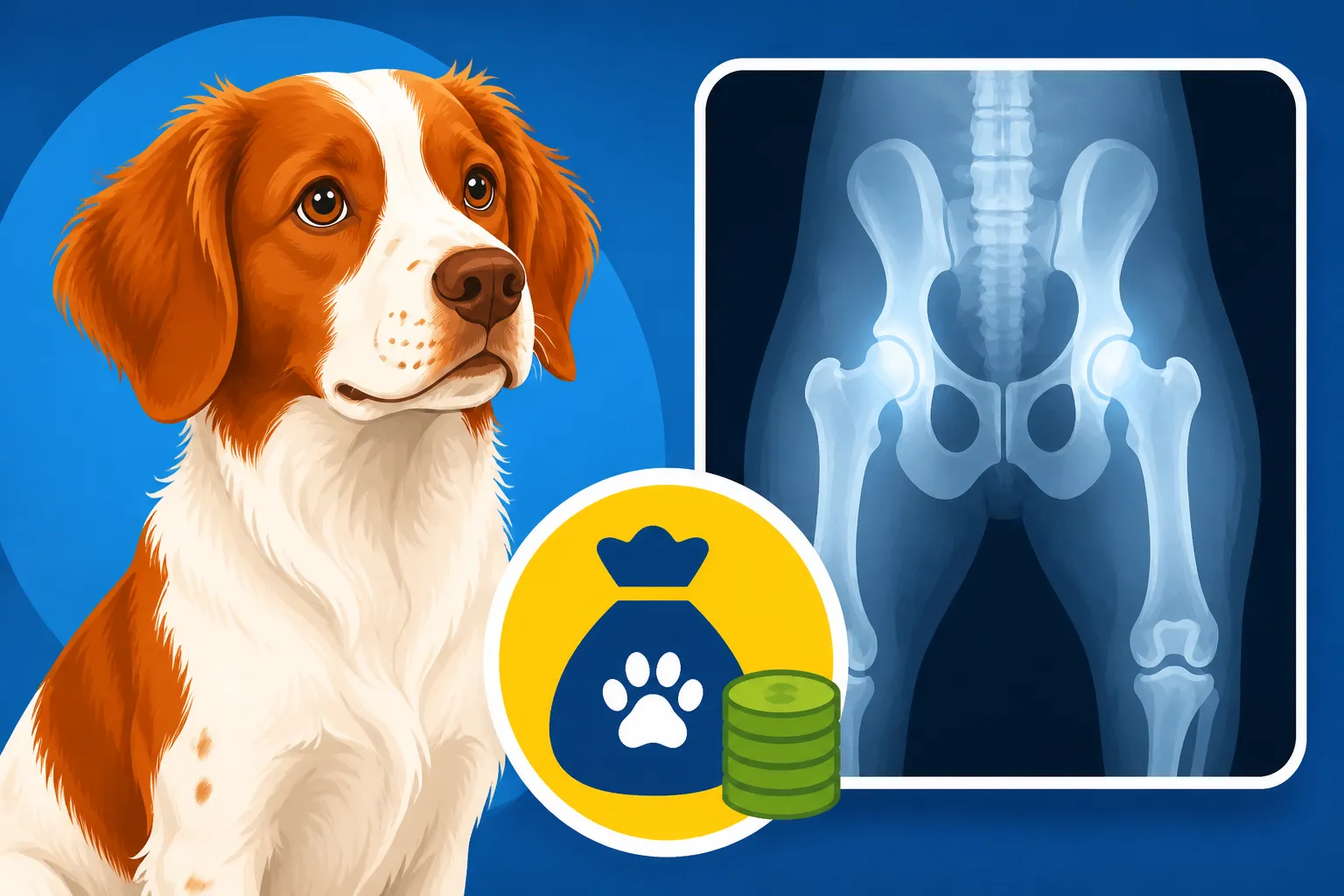
What a Brittany’s Hip Radiographs Cost
It's a moment many Brittany owners dread: the conversation about hip radiographs. You know your beloved dog is a bundle of energy, always ready for the next adventure, but there's a nagging worry about their long-term joint health, especially with a breed known for its athleticism and potential for certain hereditary conditions. This guide is here to walk you through what hip radiographs entail for your Brittany, why they're so crucial, and give you a realistic idea of the associated costs, helping you prepare for this important step in their care.
The Initial Shock: Understanding Why Hip Radiographs Are Necessary for Your Brittany
Bringing home a Brittany means welcoming a whirlwind of joy and boundless energy. These dogs are built for movement, for traversing fields and pushing through cover with enthusiasm. But beneath that energetic exterior lies a skeletal structure that can sometimes be prone to issues, particularly in the hip joints. This isn't about casting a shadow on the breed, but about being a responsible, proactive owner.
The Hidden Threat of Hip Dysplasia in Brittanys
Hip dysplasia is a fancy term for a relatively common and often painful condition where the hip joint doesn't form correctly. Instead of a smooth ball-and-socket mechanism, there's a laxity, a looseness, or a malformation that can lead to grinding, wear, and eventually, debilitating arthritis. For a Brittany, a dog whose entire purpose revolves around movement and agility, hip dysplasia can be truly devastating. Imagine a top athlete suddenly facing chronic pain with every stride. It's heartbreaking. While we love our Brittanys for their drive, that very drive can mask early signs of discomfort, making regular screenings even more important. You might wonder How Common Hip Dysplasia Is in Brittany Spaniels, and the answer is that while progress has been made, it's still a concern for the breed.
The condition isn't always obvious in a young dog. A Brittany puppy might appear perfectly healthy, tearing around the yard, yet silently developing hip issues that won't become apparent until much later in life, often when the degenerative changes are already advanced. This is why breeders make such a concerted effort to screen their breeding stock. They want to ensure they're producing healthy puppies with the best possible chance at a long, active life free from this pain. For us as owners, understanding this silent progression is key to appreciating why these diagnostic steps are so vital.
Why Early Screening Matters for Long-Term Health
You wouldn't wait for your car to break down on the highway before checking its engine, would you? The same proactive approach applies to your Brittany's health, especially concerning their hips. Early screening, ideally before significant issues arise, allows you to understand your dog's joint health baseline. This knowledge empowers you and your veterinarian to make informed decisions about exercise, diet, and potential preventative care. It's about giving your dog the best shot at remaining active and comfortable throughout their The Twelve to Fourteen Years a Brittany Gets.
Beyond individual pet care, these screenings contribute to the overall health of the Brittany breed. When breeders consistently screen their dogs and make breeding choices based on those results, it helps reduce the incidence of hip dysplasia across future generations. This collective effort is what has led to improvements in breed health over the decades. Knowing What Hip Screening Did for the Brittany Spaniel historically can help you appreciate the ongoing importance of this practice. It's not just about your dog; it's about being part of a larger community dedicated to the well-being of these incredible companions.
Navigating the Cost Landscape: What Influences Hip Radiograph Expenses
When your vet suggests hip radiographs, your mind probably jumps straight to "how much will this cost?" It's a natural reaction, especially as veterinary care can be a significant financial commitment. The truth is, there isn't one flat fee for Brittany hip radiographs because several factors come into play, creating a range of potential expenses. It's less about a fixed price tag and more about understanding the variables that shape the final bill.
Geographic Location and Clinic Variations
Just like real estate or groceries, veterinary costs can fluctuate dramatically depending on where you live. A state-of-the-art clinic in a bustling metropolitan area, say near Boston or San Francisco, with higher overheads and specialized equipment, will naturally have different pricing than a smaller, rural practice in Nebraska or Alabama. Even within the same city, different clinics might have varying fee schedules for identical services.
It's not just the clinic's location, but its reputation and specialization. Some veterinary hospitals might focus heavily on orthopedic diagnostics, while others are more general practice. These differences can influence not only the perceived value but also the actual cost. Always remember that transparency is key; a good clinic will be happy to provide an estimate upfront. Don't hesitate to call around to a few reputable clinics in your area to get a comparative sense of their pricing for hip radiographs.
Anesthesia and Sedation: A Major Cost Factor
This is often the biggest component of the radiograph bill that surprises owners. Taking high-quality hip radiographs isn't as simple as asking your Brittany to lie still for a quick snap. To get the precise positioning required for accurate evaluation (especially for official certifications like OFA or PennHIP), your dog must be perfectly still. This almost always requires sedation or even general anesthesia.
The cost of anesthesia isn't just about the drug itself. It includes the pre-anesthetic blood work to ensure your Brittany is healthy enough for the procedure, the time of the veterinary technician who monitors your dog's vital signs throughout, and the necessary recovery period. Younger, healthier Brittanys might require less extensive monitoring or a lighter sedation protocol, but any anesthetic procedure carries inherent costs and considerations. This critical step ensures safety and accuracy, but it certainly adds to the overall expense.
Radiograph Quality and Submission Requirements (OFA/PennHIP)
The purpose of the radiographs also plays a role in the cost. Are these just general diagnostic images because your Brittany is showing signs of lameness, or are they specifically for official certification, like with the Orthopedic Foundation for Animals (OFA) or PennHIP? If it's for official certification, the images need to meet very stringent quality and positioning standards.
This often means multiple views might be taken, and the veterinarian and technicians spend more time ensuring every angle is perfect. If the images aren't good enough, they might need to be retaken, potentially incurring additional costs for sedation and technician time. The submission fees to OFA or PennHIP for their expert evaluation are separate from the veterinary clinic's charges. They are a necessary part of the process if you're seeking an official rating for your dog's hips, which is common for breeding animals, but also valuable for any owner wanting a definitive assessment.
Breaking Down the Bill: What Services Are Included
When you receive a bill for your Brittany's hip radiographs, it's not just a single line item for "X-rays." It's a comprehensive charge that bundles together various services and expertise. Understanding each component can help you see where your money is going and appreciate the complexity involved in getting those clear, diagnostic images.
The Vet Visit and Preliminary Exam
Before any sedation or imaging takes place, your Brittany will undergo a thorough preliminary examination. This isn't just a quick pat-down; it's a critical step to ensure your dog is healthy enough for the procedure. The veterinarian will listen to your Brittany's heart and lungs, check their overall body condition, and review their medical history. They'll also perform a specific orthopedic exam, manipulating the hips to assess range of motion, pain response, and any signs of laxity.
This initial consultation might also include a discussion about the procedure itself, what to expect, and any risks associated with sedation. It's a chance for you to ask questions and for the vet to ensure everyone is on the same page. Sometimes, pre-anesthetic blood work is recommended or even required to check organ function and blood cell counts, ensuring there are no underlying issues that could complicate the sedation. This preliminary stage, though it might seem minor, is foundational to a safe and effective diagnostic process.
The Anesthesia Protocol and Monitoring
As mentioned, sedation or anesthesia is usually non-negotiable for high-quality hip radiographs. The cost here covers more than just the medication. It includes the careful selection of anesthetic agents tailored to your Brittany's age, health status, and temperament. Young, healthy dogs might require different protocols than an older Brittany or one with a pre-existing condition.
During the entire time your Brittany is sedated, a trained veterinary technician will be constantly monitoring their vital signs: heart rate, respiratory rate, blood pressure, oxygen saturation, and temperature. This continuous oversight is crucial for detecting and addressing any adverse reactions quickly, making the procedure as safe as possible. Once the radiographs are complete, your Brittany will be carefully monitored during recovery until they are fully awake and alert enough to go home. This meticulous care before, during, and after sedation is a significant portion of the cost, but it’s absolutely vital for your dog’s well-being.
The Imaging Process Itself
This is the core of the procedure – the actual taking of the radiographs. The cost reflects the use of specialized X-ray equipment, which is a significant investment for any veterinary clinic. It also covers the time and skill of the veterinary technician who positions your Brittany correctly. This isn't always easy, especially for specific views required by certification organizations. The technician must ensure the limbs are extended and rotated just so, the pelvis is symmetrical, and the image is perfectly centered to avoid distortion.
Often, multiple images are taken from different angles to get the most comprehensive view of the hip joints. These images are then processed, whether digitally or through traditional film development. Finally, the veterinarian will review the images, interpret the findings, and discuss them with you. If the radiographs are for OFA or PennHIP certification, the clinic will also prepare and submit the images along with the necessary paperwork to the respective organizations for their expert evaluation, which is a separate submission fee you’ll pay directly to them.
Here's a simplified breakdown of typical services included:
| Service Component | Description | Why It's Included |
|---|---|---|
| Consultation/Exam | Vet assesses general health & orthopedic status. | Ensures dog is healthy for sedation and pinpoints areas of concern. |
| Pre-Anesthetic Bloodwork | Blood tests to check organ function and blood counts. | Crucial for identifying hidden health risks before anesthesia. |
| Sedation/Anesthesia | Medications to keep the dog perfectly still. | Essential for accurate, high-quality, and safe imaging. |
| Anesthetic Monitoring | Vet tech monitors vital signs throughout the procedure. | Ensures dog's safety and quick response to any complications. |
| Radiograph Acquisition | Taking multiple X-ray images from precise angles. | Captures comprehensive views of the hip joints for diagnosis/certification. |
| Image Interpretation | Veterinarian reviews and explains the radiograph findings. | Provides diagnosis, prognosis, and treatment options. |
| Recovery Monitoring | Post-procedure observation until dog is fully awake. | Ensures smooth recovery from sedation. |
Exploring Options for Screening: OFA vs. PennHIP and Their Associated Costs
When it comes to hip screening for your Brittany, you'll generally hear about two main approaches: OFA and PennHIP. Both aim to evaluate hip health, but they differ in methodology, the information they provide, and consequently, their associated costs. Understanding these distinctions is crucial for making an informed decision about your dog's care, especially if you're a breeder or just want the most comprehensive picture possible.
OFA Hip Screening: The Traditional Approach
The Orthopedic Foundation for Animals (OFA) has been the gold standard for hip and elbow certification in dogs for decades. For hip evaluations, the OFA primarily uses a single radiographic view: the extended hip view, where the dog lies on its back with its hind legs extended straight back. This view allows evaluators to assess joint laxity, degenerative changes, and the overall conformation of the hip joint. What the OFA Records Show About Brittany Hips is a testament to the long-standing use and importance of this system in the breed.
The OFA method offers a qualitative score (Excellent, Good, Fair, Borderline, Mild, Moderate, Severe) based on the consensus of three independent veterinary radiologists. The main advantage of OFA is its long history and wide acceptance, particularly in North America. Many breed clubs and registries require or strongly recommend OFA certification for breeding animals. The cost typically involves the veterinary clinic's fees for the radiographs and anesthesia, plus a separate submission fee paid directly to the OFA for their review and certification. It's important to remember Why a Brittany OFA Hip Certification Waits Until Two — the images for official certification must be taken after your dog is 24 months old, though preliminary readings can be done earlier.
PennHIP Evaluation: A More Detailed Assessment
PennHIP (short for the University of Pennsylvania Hip Improvement Program) offers a different, and some argue, more objective and quantitative assessment of hip laxity, which is a primary indicator of hip dysplasia risk. Instead of just one view, PennHIP requires three distinct radiographic views: the standard extended view (similar to OFA), a compression view, and a distraction view. The distraction view, in particular, is key as it precisely measures how much the femoral head can be distracted or pulled out of the hip socket.
This distraction index (DI) is a numerical score, ranging from 0 (very tight hips) to 1 (very loose hips), and allows for a more precise prediction of a dog's susceptibility to hip dysplasia. PennHIP evaluations can also be performed on Brittanys as young as 16 weeks, offering an earlier indicator of hip health. What PennHIP Tells a Brittany Owner is a different story than OFA, providing a statistical probability rather than a subjective grade. The procedure generally costs more than a standard OFA screening because it requires specialized training for the veterinarian, more radiographs, and often deeper sedation to achieve the necessary muscle relaxation for accurate distraction measurements. The submission fee to PennHIP is also separate from the clinic charges. For owners seeking the most comprehensive and predictive information, especially for breeding decisions, PennHIP offers a valuable, albeit more expensive, option.
Mitigating Costs: Strategies for Brittany Owners
The potential costs associated with hip radiographs for your Brittany can feel daunting, but there are proactive steps you can take to manage these expenses. It's about being prepared and knowing your options, rather than being caught off guard when these important health checks become necessary.
Pet Insurance and What It Might Cover
Pet insurance can be a real lifesaver when unexpected veterinary bills arise, and hip radiographs certainly fall into that category. While most insurance policies won't cover pre-existing conditions (meaning if your Brittany already has a diagnosed hip issue before you get insurance, those specific treatments likely won't be covered), they can be invaluable for future conditions or for diagnostic tests when a new issue crops up.
Many comprehensive pet insurance plans, such as those offered by Healthy Paws, typically cover diagnostic procedures like radiographs, examinations, and anesthesia related to new accidents or illnesses. If your Brittany starts showing signs of lameness and the vet recommends hip X-rays to diagnose the cause, your insurance might cover a significant portion of that cost, depending on your deductible and reimbursement rate. It's always crucial to read the policy details carefully and confirm coverage with your provider before the procedure. Knowing Whether Insurance Covers a Brittany's Hunting Injuries can also give you peace of mind if your active dog encounters an issue in the field.
Breeder Guarantees and Health Clauses
When you acquire a Brittany puppy from a reputable breeder, they often provide a health guarantee that might cover certain genetic conditions, including hip dysplasia. These guarantees vary widely, but a good breeder will often offer some form of recourse if a puppy develops severe hip dysplasia within a specified timeframe (e.g., up to two years of age), provided the puppy has received appropriate care.
This might involve offering a partial refund, a replacement puppy, or assistance with veterinary costs related to the condition. It's absolutely vital to thoroughly read and understand your breeder's contract before purchasing a puppy. This document should clearly outline what conditions are covered, the timeframe, and the process for making a claim. A transparent breeder will be happy to discuss their guarantee and provide documentation of their breeding dogs' hip clearances, demonstrating their commitment to healthy lines. This is directly related to What a Brittany's Health Guarantee Covers Hips.
Budgeting and Financial Planning for Your Brittany's Health
Beyond insurance and breeder guarantees, personal financial planning is a cornerstone of responsible pet ownership. Knowing that owning a Brittany means potential costs for health screenings, routine care, and possible emergencies, it's wise to set aside funds specifically for their veterinary needs. Whether you keep it in a separate savings account, or use a dedicated credit card for emergencies, having a "pet fund" can alleviate a lot of stress.
Consider the annual costs for routine check-ups, vaccinations, parasite prevention, and then factor in the potential for procedures like hip radiographs as your Brittany matures or if symptoms arise. Services like Chewy and Ollie can help manage the more predictable costs of food and supplies, freeing up budget space for vet bills. Discuss payment plans with your veterinarian if a large expense is unavoidable, as many clinics offer flexible options. Additionally, investigate charitable organizations or veterinary assistance programs that might exist in your community for those facing financial hardship. Being prepared means you can focus on your Brittany's health without overwhelming financial anxiety. This also touches on the larger question of Whether a Brittany Is Expensive to Own.
Disclaimer
This article is for general informational purposes only and does not constitute professional advice. Laws, prices and regulations vary by location and change over time. Consult a qualified professional for guidance on your specific situation.