What a Brittany Puppy Costs From a Breeder
It's an exciting time when you decide to bring a Brittany puppy into your home, full of dreams of adventures in the field and cozy evenings by the fire. But as you start looking, you might quickly find yourself staring at a bewildering array of prices from different breeders, wondering what's a fair deal and why some puppies seem to cost a fortune while others appear almost too good to be true. This guide is here to shed light on exactly what goes into the cost of a Brittany puppy from a reputable breeder, helping you navigate the financial side of bringing your new best friend home.
Understanding the Initial Investment: What Goes Into a Brittany Puppy's Price Tag
When you see a price tag on a Brittany puppy, it’s not just a random number. It's a reflection of the significant time, effort, and financial commitment a responsible breeder pours into their dogs and their litters. Far from being a quick money-making scheme, ethical breeding is a passion that often costs more than it brings in, especially when done right. Understanding these underlying factors is key to appreciating the value you're receiving.
The Cost of Responsible Breeding
A truly responsible Brittany breeder starts long before a litter is even conceived. They invest in high-quality breeding stock, often traveling to find dogs with excellent pedigrees, proven hunting ability, and stellar temperaments. This might mean importing a dog or traveling across the country for a stud service, incurring stud fees, travel expenses, and sometimes even the cost of frozen semen. These are not trivial expenses, and they are foundational to producing sound, healthy puppies.
Beyond the initial investment in the parents, there's the ongoing care for the dam. This includes specialized nutrition, regular veterinary check-ups, and potentially supplements to ensure she's in peak condition for pregnancy and nursing. Once the puppies arrive, the breeder shoulders all the costs associated with their first weeks of life: proper nutrition for the mother (who is burning through calories like crazy), and specialized puppy food as they wean. Companies like Ollie offer high-quality, fresh food options that many breeders consider for their growing pups, ensuring they get the best start possible.
Supply and Demand Dynamics
Like anything else, the price of Brittany puppies can be influenced by the principles of supply and demand, though this tends to be a smaller factor compared to the quality of the breeding program. If a particular region has very few reputable Brittany breeders, or if there's a surge in popularity for the breed, prices might naturally trend higher. Conversely, in areas with many breeders, there might be a broader range of pricing, but this doesn't automatically mean lower-priced puppies are a good deal.
The reputation of a particular breeder also plays a role. Breeders with a long history of producing exceptional dogs—whether for hunting, conformation, or as beloved family companions—often have waiting lists and can command higher prices. This is because their "product" is consistent and reliable, backed by years of experience and satisfied owners. It’s not just about the local market; it’s about the market for excellence within the breed.
Deciphering Breeder Practices and Their Impact on Cost
One of the biggest differentiators in Brittany puppy pricing comes down to the depth and rigor of a breeder's practices. This isn't just about good intentions; it's about concrete actions and investments that directly contribute to the health, temperament, and potential of each puppy. When a breeder charges a higher price, they are usually passing on the cost of these essential, often expensive, practices.
The Value of Health Clearances and Genetic Testing
This is, without a doubt, one of the most crucial aspects that adds to a puppy's cost, and it's where a responsible breeder truly shines. They don't just hope their dogs are healthy; they prove it through extensive health clearances. For Brittanys, this typically includes hip evaluations through organizations like OFA (Orthopedic Foundation for Animals) or PennHIP to screen for hip dysplasia. Reputable breeders will also have annual eye certifications by a veterinary ophthalmologist (CAER exams) to rule out inheritable eye diseases.
Beyond physical evaluations, genetic testing has become a cornerstone of responsible breeding. For Brittanys, testing for conditions like C3 deficiency is vital. This immune system disorder can severely impact a dog's ability to fight infection. Knowing that both parents have been tested and are clear of such genetic predispositions, or are carriers only bred to a clear dog, offers immense peace of mind. While these tests are an added expense for the breeder – you can learn more about What the Brittany C3 DNA Test Costs – they drastically reduce the risk of you ending up with a puppy that develops costly and heartbreaking health issues down the line. We dive deeper into what specific tests a breeder should perform in our article, What a Brittany Spaniel Breeder Should Have Tested.
Pedigree and Proven Lines
The lineage of a Brittany puppy significantly impacts its price. Puppies from parents with extensive titles – whether in the field (Master Hunters, Field Champions) or in the show ring (Grand Champions) – often come with a higher price tag. This isn't just about bragging rights; it indicates that the parents have proven their abilities and conform to the breed standard, suggesting their offspring are likely to inherit desirable traits. A "dual champion" Brittany, meaning a dog that has achieved both field and show championships, is exceptionally rare and demonstrates outstanding versatility, reflecting generations of careful breeding. This level of accomplishment is why you'll find that Why a Brittany From Dual Champion Lines Costs More.
These titles signify a dog's genetic potential for intelligence, trainability, conformation, and natural hunting instinct. Breeders invest countless hours and significant funds in training, campaigning, and traveling to compete with their dogs. This dedication to proving their breeding stock is indirectly factored into the cost of their puppies, as it increases the likelihood that you're getting a puppy with the inherent abilities you desire, whether that's a natural point, a soft mouth, or a tractable temperament.
Early Puppy Care and Socialization
The first eight weeks of a puppy's life are critical for their physical and mental development. Responsible breeders provide exceptional care during this period, which directly influences the puppy's well-being and, consequently, its price. This includes routine veterinary check-ups for the entire litter, ensuring they are growing properly and free from obvious health concerns. It also covers the cost of initial vaccinations and regular deworming treatments, crucial steps to protect vulnerable young puppies.
Beyond physical health, ethical breeders are deeply committed to early socialization. They expose puppies to a variety of sights, sounds, textures, and gentle human interactions from a very young age. This might involve daily handling, introducing them to different surfaces, playing with toys, and carefully exposing them to other vaccinated, friendly dogs or even respectful children. This intentional socialization helps puppies develop into confident, resilient adults, reducing the likelihood of fear-based behaviors or shyness later on. This intensive, hands-on approach requires a significant time commitment and resources from the breeder, all of which are reflected in the final cost.
Red Flags and What a Lower Price Might Signal
It's tempting to jump at a seemingly great deal when searching for a Brittany puppy, but a significantly lower price should almost always trigger a serious pause. While everyone loves a bargain, when it comes to living, breathing animals, a low price often comes with hidden, and potentially devastating, costs down the line.
The Dangers of "Bargain" Brittanys
Puppies advertised at prices far below the breed's average often come from breeders who cut corners, typically in the most critical areas: health and early care. This can mean skipping vital health screenings for the parents, leading to puppies inheriting genetic conditions like hip dysplasia or C3 deficiency, which can result in thousands of dollars in veterinary bills over their lifetime. A breeder who hasn't invested in health testing is essentially passing the financial risk onto you.
Furthermore, "bargain" puppies might not receive adequate veterinary care, proper nutrition, or crucial vaccinations during their early weeks. They might also be raised in unsanitary conditions, increasing their susceptibility to parasites and infectious diseases like parvovirus, which can be fatal. The adage "you get what you pay for" holds particularly true here; what seems like savings upfront can quickly turn into a financial and emotional nightmare. We talk more about this in our article Why a Brittany Under Eight Hundred Is a Warning.
Unethical Breeding Practices
Breeders offering unusually low prices are often what we call "backyard breeders" or, worse, operate puppy mill-like operations. These individuals are typically not driven by a desire to improve the breed or produce healthy, well-adjusted companions. Their primary motivation is profit, which means minimal investment in their breeding stock, their facilities, or the puppies themselves. They might not offer health guarantees, or if they do, the guarantees are often vague and difficult to enforce.
These breeders also tend to lack transparency. They may refuse to let you meet both parents, visit their facility, or provide verifiable health clearances. They might not ask you any questions about your living situation or experience with dogs, as their goal is simply to sell puppies as quickly as possible. This lack of due diligence on their part should be a huge red flag. A responsible breeder will be just as interested in finding a good home for their puppy as you are in finding a good puppy.
Beyond the Purchase Price: Initial Costs After Bringing Your Brittany Home
The initial purchase price of your Brittany puppy is just the beginning of your financial commitment. There are several essential costs you'll incur immediately upon bringing your new companion home, and it’s crucial to budget for these so you’re not caught off guard.
Essential Supplies for Your New Companion
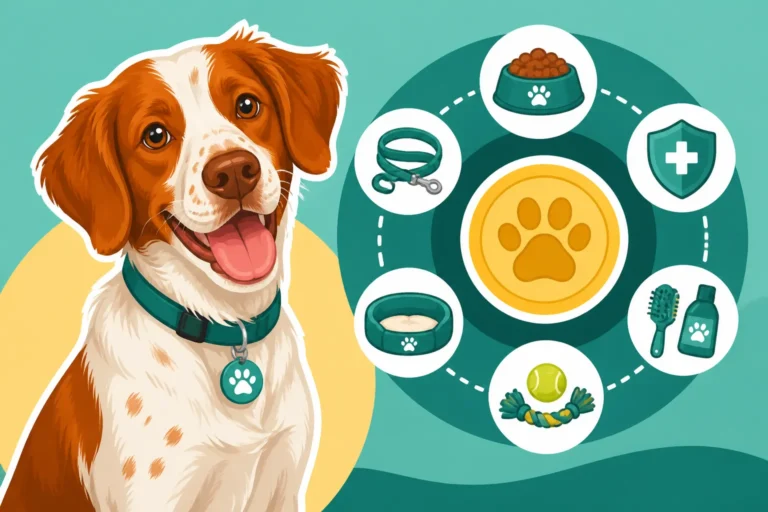
Before your Brittany puppy even walks through the door, you'll need to have some basic supplies ready. A comfortable crate, a sturdy leash and collar, food and water bowls, and a selection of appropriate chew toys are absolute must-haves. For many new puppy owners, stocking up on these items from online retailers like Chewy can be incredibly convenient, offering a wide selection and home delivery. You'll also need a high-quality puppy food, ideally one recommended by your breeder to ensure a smooth transition and avoid digestive upset.
Beyond the basics, think about early training tools. A long check cord and a whistle are invaluable for starting recall and "whoa" training, especially for a pointing breed like a Brittany. Don't forget grooming supplies like a soft brush and nail clippers, and perhaps an enzymatic cleaner for those inevitable puppy accidents. These initial purchases can quickly add up, so factor them into your overall budget.
First Vet Visits and Preventative Care
Your puppy's first weeks and months at home will involve several trips to the veterinarian for their remaining puppy vaccinations. These are critical to protect them from common and serious canine diseases. You'll also need to get them dewormed regularly and start on monthly heartworm and flea/tick preventatives. Microchipping is another important, one-time cost that provides a vital layer of security if your adventurous Brittany ever gets lost.
Longer-term, you’ll need to consider the cost of spaying or neutering, which is often done between six months and a year of age, though some modern veterinary advice suggests waiting longer for certain breeds. These preventative care measures are non-negotiable for your puppy's health and happiness. We cover the financial side of these visits in our article, What a Brittany's Yearly Vaccinations Cost. This is also where considering pet insurance from providers like Healthy Paws can be a smart move, helping to offset unexpected veterinary expenses down the road.
Training and Socialization Investments
A well-behaved Brittany is a joy to live with, but it doesn't happen by accident. Investing in training and continued socialization is essential. Puppy classes are highly recommended to teach basic obedience commands and, just as importantly, to provide early, positive exposure to other puppies and people in a controlled environment. We even have a dedicated article to help you decide Whether a Brittany Needs Puppy Class.
If you plan to hunt with your Brittany, the initial costs might also include pigeon or quail for basic bird introduction, a starter pistol for gun introduction, and possibly a beginner's e-collar. While some Brittanys are natural pointers and retrievers, guiding their instincts takes time, patience, and often some financial investment in training aids or even professional instruction. Remember, the more you invest in their early training and socialization, the more rewarding your life with your Brittany will be.
Navigating the Options: How Different Brittany Types Affect Cost
When you delve into the world of Brittanys, you'll quickly discover there's more than one "type." These distinctions aren't just about appearance; they can also significantly influence the initial cost of your puppy, reflecting different breeding philosophies, locations, and availability. Understanding these nuances is crucial for setting your budget and managing your expectations.
American vs. French Brittanys
The Brittany breed, as recognized in the United States, has largely evolved separately from its European counterpart, the Epagneul Breton. While fundamentally the same breed, there are subtle differences in size, build, and often, hunting style, with French Brittanys generally being smaller and hunting closer. If your heart is set on a French Brittany, you might find that the costs are generally higher, especially if you're sourcing one directly from Europe or from a breeder who has imported their lines. The logistics of importing a puppy, including shipping, customs, and potentially specific health requirements, add considerable expense.
Even within the United States, breeders focusing exclusively on French Brittany lines may have higher prices due to the comparative rarity of these lines and the specialized breeding programs required to maintain their distinct characteristics. You can delve into the specific financial implications in our articles What an Imported French Brittany Costs and What a French Brittany Costs in the United States. Availability can also be a factor, with fewer breeders specializing in French lines, potentially leading to longer wait times and premium pricing.
Field vs. Show Lines
Another significant factor influencing cost is whether a puppy comes from "field lines" or "show lines." While the Brittany is renowned as a versatile pointing breed, and ideally, dogs from both lines should be capable of working, breeders often focus their efforts on excelling in one arena. Field-bred Brittanys come from parents with extensive hunting titles, proven bird sense, and incredible stamina, making them highly sought after by serious hunters. The dedication and expense involved in campaigning dogs through field trials often translates to a higher price for their puppies.
Show-bred Brittanys, on the other hand, emphasize conformation to the breed standard, graceful movement, and a temperament suitable for the show ring. While many still possess excellent hunting instincts, their parents' accolades are in conformation, not necessarily in the field. There can be a price differential between these two types, though a truly exceptional Brittany from either line will command a respectable price. It's a common misconception that show dogs can't hunt, or vice-versa, but it does influence price points. We explore this dynamic more deeply in Whether Show and Field Brittanys Cost the Same.
Age and Training Level
The cost of a Brittany also varies depending on its age and training level. A young puppy, typically sold between 8 and 12 weeks of age, represents the base price. This is because the breeder has invested in their initial care, health, and socialization, but the bulk of the training still falls on the new owner. If you're looking for a dog with a head start, you might consider a "started" dog. These Brittanys are usually a bit older, perhaps 6 months to a year, and have received foundational training in obedience and perhaps some bird exposure. This added investment in training by the breeder or a professional trainer will naturally increase the price.
Then there are "finished" gun dogs, which are fully trained, seasoned hunting companions. These dogs have proven their abilities in the field, possess reliable obedience, and are ready to hunt. Their prices are significantly higher, reflecting years of expert training, often by professional gun dog trainers. This option is ideal for experienced hunters who don't have the time or expertise to train a puppy from scratch. Our article What a Started Brittany Costs delves into the costs associated with these more mature, trained dogs.
| Cost Component | Puppy (8-12 weeks) | Started Dog (6-12 months) | Finished Gun Dog (1-3+ years) |
|---|---|---|---|
| Purchase Price Range | Lower-Mid | Mid-High | High-Premium |
| Initial Vet Costs | Remaining Vaccinations | Usually Completed | Usually Completed |
| Basic Supplies | High (crate, food, toys) | Moderate (some items may come) | Moderate (some items may come) |
| Training Classes | Essential (Puppy/Basic) | Recommended (Advanced) | Optional (Refinement) |
| Time Investment | Very High | Moderate-High | Moderate |
| Immediate Field Ready? | No | Partially | Yes |
| Expected Health Guarantees | Yes | Yes | Yes |
| Temperament Development | Ongoing, molded by owner | More established | Well-established |
Making an Informed Decision: Questions to Ask and What to Expect
Choosing a Brittany puppy is a significant decision, and the financial aspect is just one piece of the puzzle. To ensure you're making a wise investment in a healthy, well-adjusted companion, proactive communication and a clear understanding of the breeder's practices are paramount.
What to Ask a Reputable Breeder
When you're speaking with a potential breeder, don't be shy about asking detailed questions. A good breeder will welcome your inquiries and be transparent. Start by asking about the health clearances of both parents, not just the sire or dam. Request to see physical copies of OFA certificates (for hips and elbows), eye certifications, and any genetic test results, like for C3 deficiency. A breeder should be proud to share this information. Don't hesitate to follow up if you don't understand the results. Our guide Which Questions to Ask a Brittany Breeder provides a comprehensive list to prepare you.
Beyond health, inquire about the parents' temperaments and working abilities. Are they active family members? Do they participate in field trials or hunt tests? Ask about the puppy's early socialization experiences – what sights, sounds, and textures have they been exposed to? A reputable breeder will also be keen to learn about you, your lifestyle, and what you're looking for in a dog, demonstrating their commitment to finding the right home for their puppies. They might even suggest a specific puppy from the litter that best matches your family dynamic.
Understanding Breeder Contracts and Guarantees
A written contract is a standard practice for reputable Brittany breeders, and it's something you should expect and review carefully. This contract typically outlines the terms of the sale, including the purchase price, vaccination schedule, and microchip information. Crucially, it should also detail the health guarantee. This guarantee often covers inheritable diseases like hip dysplasia or certain eye conditions for a specified period, usually until the dog is two years old, which is the age at which OFA hip certifications are final.
The contract may also specify whether your puppy is being sold on a "limited registration" with the AKC, meaning any offspring cannot be registered, which is common for companion or hunting dogs not intended for breeding. Many breeders also include spay/neuter clauses, requiring you to have your puppy altered by a certain age. Understand that these contracts are designed to protect both you and the breeder, and most importantly, the welfare of the dog. Don't be afraid to ask for clarification on any clause you don't fully comprehend.
Budgeting for the Long Haul
While the initial cost of a Brittany puppy from a breeder might seem substantial, it's truly just the tip of the iceberg when it comes to lifetime expenses. Beyond the purchase price and initial supplies, you'll have ongoing costs for high-quality food (brands like Ollie are often a favorite for their nutritional value), routine veterinary care, annual vaccinations, flea/tick/heartworm prevention, grooming, and potential training classes or equipment upgrades. Pet insurance, such as policies from Healthy Paws, can be an invaluable investment, especially for an active breed prone to field injuries or unexpected illnesses, helping to mitigate the financial shock of large veterinary bills.
Brittanys are energetic dogs with a strong prey drive, and they thrive on mental and physical stimulation. This means budgeting for durable toys, potentially training birds, and perhaps even doggy daycare or a dog walker if your schedule is particularly demanding. Over their potential 12-14 year lifespan, the cumulative cost of caring for a Brittany can run into many thousands of dollars. Thinking about What the First Year With a Brittany Totals or even breaking down Fourteen Years of a Brittany, Priced Out can give you a realistic perspective on the long-term financial commitment, ensuring you're fully prepared for the joy (and expense) of Brittany ownership.
Disclaimer
This article is for general informational purposes only and does not constitute professional advice. Laws, prices and regulations vary by location and change over time. Consult a qualified professional for guidance on your specific situation.