Whether a Brittany Gets Entropion
It’s truly disheartening when you notice something isn’t quite right with your beloved Brittany’s eyes. Their bright, intelligent gaze is one of their most charming features, and any sign of discomfort or abnormality can send a wave of worry through you. This guide is here to shed light on entropion, a condition that can affect our four-legged companions, helping you understand what it is, how to spot it, and what steps you can take to ensure your Brittany remains comfortable and healthy.
What Exactly is Entropion in Brittanys?
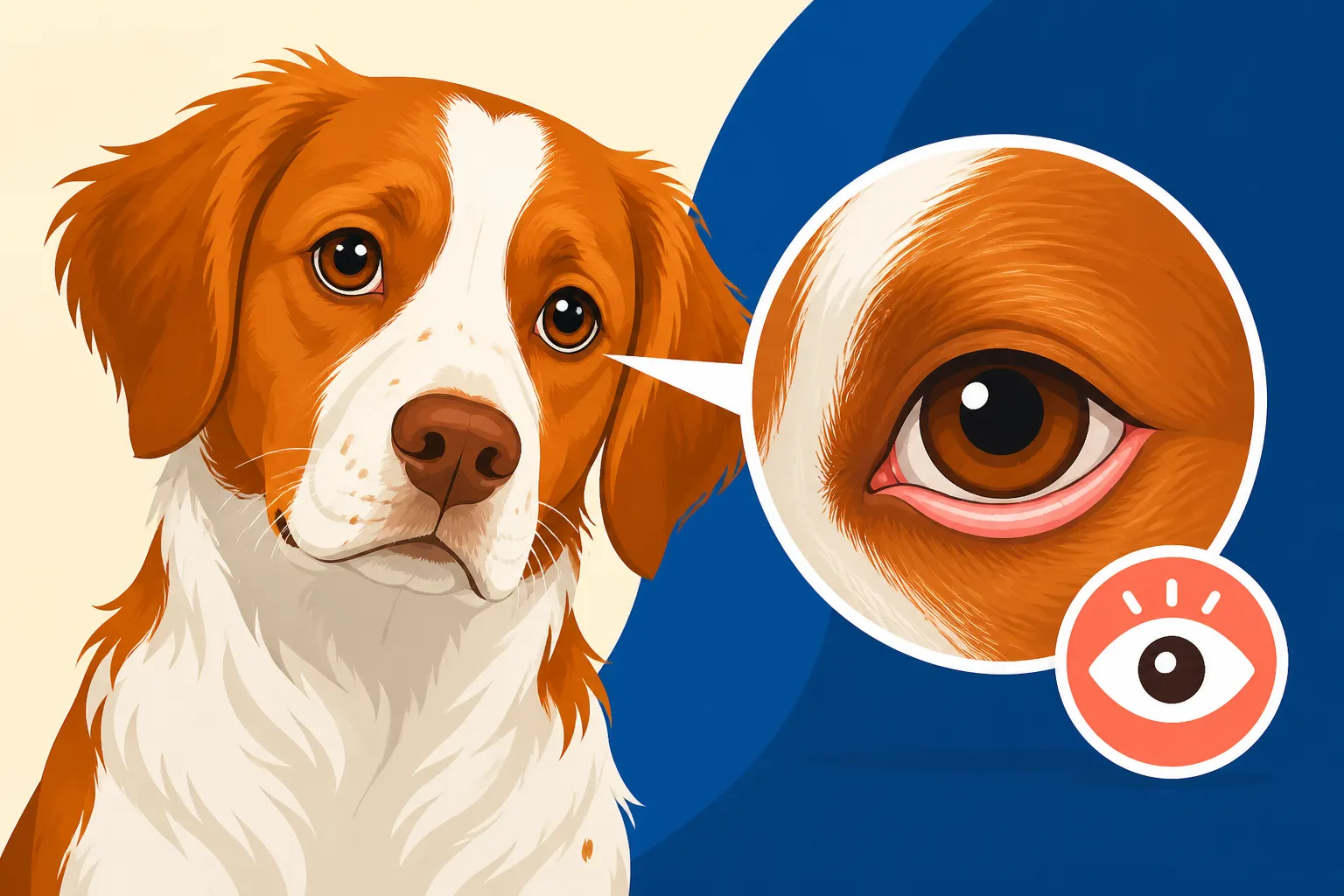
Entropion is a common eye condition where a portion of the eyelid, usually the lower one, rolls inward towards the eyeball. Imagine your own eyelid curling in, causing your eyelashes and skin to constantly rub against the delicate surface of your eye – that’s essentially what happens to a dog with entropion. This constant irritation isn't just uncomfortable; it can lead to more serious problems if left untreated.
Understanding the Mechanics of Entropion
At its core, entropion is a structural issue. The eyelid simply isn't sitting correctly. This inward rolling causes the hairs on the eyelid to continuously abrade the cornea, which is the clear outer layer of the eye. Think of it like having a tiny, constant sandpaper rubbing on your eye. This isn't just a fleeting annoyance; it can lead to chronic pain, inflammation, and potential damage to the eye itself. Over time, this constant rubbing can cause corneal ulcers, scarring, and even impair vision. For an active breed like the Brittany, who relies heavily on their keen sight in the field, this is a particularly troubling prospect. Many owners also wonder, "Whether a Brittany Needs a Yearly Eye Exam" and conditions like entropion highlight just how critical regular ocular check-ups are.
Why Brittanys Might Be Affected
While entropion is seen across many breeds, some breeds are predisposed due to their facial structure and genetic lines. While Brittanys aren't as commonly affected as, say, Shar-Peis or Bulldogs, they can certainly develop it. There are a few reasons why a Brittany might present with entropion. It can be congenital, meaning your puppy is born with it, a result of their genetic makeup. In these cases, you might notice signs early on, sometimes even before they're a year old. However, it can also be acquired later in life due to chronic eye pain (like from an injury), inflammation, muscle spasms, or even significant weight loss that changes the tension of the skin around the eyes. We know our Brittanys are prone to The Injuries a Brittany Picks Up in the Field, and a deep scratch or infection could, in rare cases, trigger secondary entropion.
How to Spot Entropion in Your Brittany
Recognizing the signs of entropion early is paramount to preventing long-term damage to your Brittany's eyes. It often starts subtly, but if you know what to look for, you can catch it before it becomes a major issue. Your Brittany, being the stoic and eager-to-please dog they are, might try to hide their discomfort, which makes your observational skills even more important.
Visual Cues and Eye Changes
The most obvious visual cue of entropion is the inward turning of the eyelid itself. You might notice that the lower lid appears to be "tucked under" or rolled in, especially when your Brittany is relaxed or squinting. The fur around the eye might appear wet or stained with tears because the irritation causes excessive tearing. You might also see:
- Redness and inflammation: The white part of the eye (sclera) and the conjunctiva (the pink lining inside the eyelids) will often look red and inflamed due to the constant rubbing.
- Discharge: Clear or mucousy discharge from the affected eye is common. In severe cases, or if an infection sets in, the discharge can become thick and yellowish-green.
- Corneal changes: Look very closely at the surface of the eye (the cornea). It might appear dull or cloudy, rather than clear and shiny. In advanced cases, you might even see visible blood vessels growing over the cornea (a process called neovascularization) or dark spots, which indicate pigmentation from chronic irritation. These are serious signs that could affect your Brittany’s vision. You might notice these changes even if your Brittany has other eye concerns like Retinal Dysplasia in a Brittany Spaniel, making routine checks vital.
Behavioral Indicators of Discomfort
Beyond the physical appearance of the eye, your Brittany will likely display behavioral signs indicating they are in pain or discomfort. They might not complain loudly, but their actions will speak volumes.
- Squinting or holding the eye shut: This is a classic sign of ocular pain. Your Brittany might frequently squint, blink excessively, or even hold the affected eye completely closed, especially in bright light.
- Rubbing or pawing at the eye: Instinctively, dogs try to relieve irritation. You might see your Brittany rubbing their face on furniture, the carpet, or pawing at their eye with their front paw. While this might temporarily soothe them, it can unfortunately worsen the irritation or even lead to secondary infections.
- Sensitivity to light (photophobia): Just like humans, dogs with eye irritation often find bright light uncomfortable. Your Brittany might prefer darker areas or avoid direct sunlight.
- Reluctance to participate: If your Brittany is typically a bundle of energy, always ready for a hunt or a long run, and suddenly seems withdrawn or less enthusiastic, especially during activities that require good vision, it could be a subtle sign of ongoing discomfort. A Brittany loves to work, and eye pain can really dampen their spirits and eagerness to find birds. You want to make sure your hunting partner is always at their best in the field.
Catching these signs early and consulting with your veterinarian quickly can make all the difference in treatment success and preserving your Brittany’s eye health.
Here's a quick comparison of what to look for:
| Feature | Healthy Brittany Eye | Brittany Eye with Entropion |
|---|---|---|
| Eyelid Position | Sits flush against the eyeball, lashes point outwards. | Lower (or sometimes upper) eyelid rolls inward, lashes rub against the cornea. |
| Eye Surface (Cornea) | Clear, smooth, shiny, no visible blood vessels. | Dull, cloudy, inflamed, blood vessels might be visible, potential ulcers or dark spots. |
| Conjunctiva (Lining) | Pale pink, not swollen. | Red, swollen, inflamed. |
| Tears/Discharge | Minimal clear tears, no crusting. | Excessive tearing, wet fur around eye, clear, mucousy, or yellowish-green discharge. |
| Behavioral Signs | Bright, open, no squinting, active. | Frequent squinting, holding eye shut, pawing at face, light sensitivity, decreased activity. |
Diagnosing and Treating Entropion
Once you suspect your Brittany might have entropion, the next crucial step is getting a proper diagnosis and initiating treatment. This is not a condition you want to "wait and see" with, as the potential for irreversible damage to their vision is too high.
The Veterinary Examination
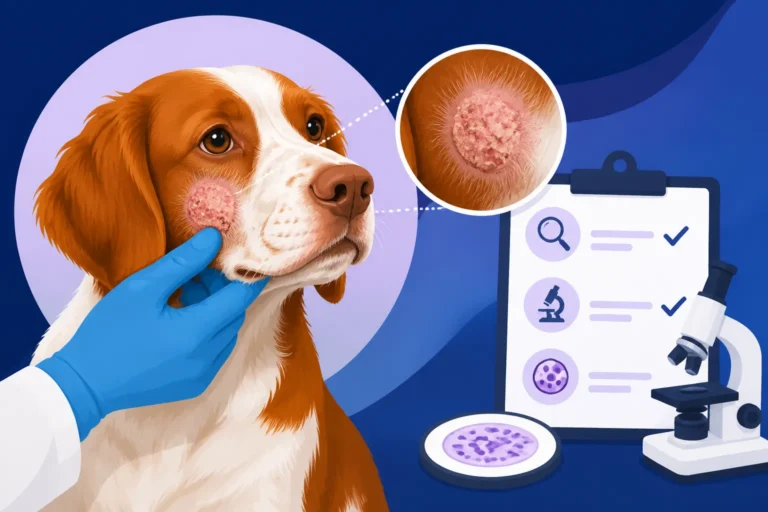
When you bring your Brittany to the vet with concerns about their eyes, the veterinarian will perform a thorough ophthalmic examination. This isn't just a quick glance; it involves a series of tests to accurately diagnose the problem and rule out other eye conditions, such as Glaucoma in a Brittany Spaniel.
- Visual Inspection: The vet will carefully examine your Brittany's eyelids, looking for the characteristic inward roll. They’ll also check for any redness, swelling, or discharge.
- Fluorescein Stain Test: This is a vital diagnostic tool. A special orange dye (fluorescein) is applied to the eye. If there are any scratches, abrasions, or ulcers on the cornea, the dye will stick to those damaged areas and show up as a bright green under a blue light. This helps the vet assess the extent of corneal damage caused by the rubbing eyelashes.
- Schirmer Tear Test: This measures tear production, as some eye conditions can be linked to dry eyes, which might exacerbate irritation.
- Tonometry: This measures the intraocular pressure (pressure within the eye) to check for conditions like glaucoma, which can present with similar signs of discomfort.
- Magnification: Using specialized ophthalmic equipment, the vet can get a magnified view of the cornea and internal structures of the eye to look for subtle changes, scarring, or other issues.
Based on these findings, your vet will confirm whether entropion is present and how severe it is. They'll also determine if there are any secondary issues like corneal ulcers that need immediate attention.
Treatment Options for Entropion
The treatment approach for entropion depends largely on its severity, whether it’s affecting one or both eyes, and the presence of any secondary complications.
Medical Management
In very mild cases, or in young puppies where the eyelids might "grow into place" as their skull develops, medical management might be attempted. This typically involves:
- Lubricating eye drops or ointments: These help to protect the cornea from further irritation and keep the eye moist.
- Antibiotic eye drops/ointments: If a corneal ulcer or bacterial infection is present, antibiotics will be prescribed to clear it up.
- Anti-inflammatory medications: These can reduce pain and swelling.
For young puppies, a temporary procedure called "tacking" might be used. This involves placing temporary sutures in the eyelid to evert it (turn it outwards) as the puppy grows. The sutures are removed after a few weeks or months, and often, as the puppy matures, the problem resolves. However, this is usually only a temporary fix and not a long-term solution for adult dogs.
Surgical Correction
For most adult Brittanys with true entropion, surgical correction is the definitive and most effective treatment. This procedure is designed to permanently adjust the eyelid so it no longer rolls inward.
The most common surgical technique is called Hotz-Celsus. Here’s a simplified breakdown:
- Anesthesia: Your Brittany will be placed under general anesthesia.
- Eyelid Resection: The veterinary surgeon carefully removes a small, crescent-shaped piece of skin and muscle from the affected eyelid, parallel to the lid margin. The size and shape of this piece are precisely calculated to achieve the correct eversion.
- Suturing: The edges of the incision are then stitched together using fine sutures. As the incision heals, it pulls the eyelid margin outward, away from the eyeball.
The goal is to evert the eyelid just enough so that the lashes no longer rub the cornea, but not so much that the eyelid rolls outward (a condition called ectropion), which can lead to other issues. This requires a skilled surgeon with a good eye for detail. Post-operative care will involve pain medication, antibiotics (oral and/or topical), and usually an Elizabethan collar to prevent your Brittany from rubbing or scratching the surgical site. The sutures are typically removed in 10-14 days.
The cost of this surgery can be a concern for many owners, but addressing it promptly is crucial. Pet insurance plans, such as those offered by Healthy Paws, can be invaluable in helping to cover these unexpected veterinary expenses, ensuring your Brittany gets the care they need without financial stress.
Living with a Brittany Prone to Entropion
Even after successful treatment, managing a Brittany that has experienced entropion, or one with a predisposition, involves ongoing vigilance and care to ensure their long-term comfort and health. It’s all about maintaining that sharp vision and happy demeanor for their The Twelve to Fourteen Years a Brittany Gets.
Post-Operative Care and Recovery
If your Brittany has undergone surgical correction for entropion, the recovery period is critical. Your vet will provide detailed instructions, but generally, you can expect:
- Protective Collar: An Elizabethan collar (e-collar or "cone of shame") will be essential for at least 10-14 days to prevent your Brittany from rubbing, scratching, or licking at the incision site. Even if they look miserable, this collar is their best friend in preventing complications.
- Medication Adherence: Administer all prescribed medications diligently. This typically includes oral pain relief and anti-inflammatories, and topical antibiotic eye drops or ointments to prevent infection and aid healing. Even if your Brittany seems to be improving, completing the full course of antibiotics is important.
- Restricted Activity: Limit strenuous activity, jumping, and rough play during the initial healing phase. This reduces the risk of reopening the incision or causing swelling. Short, leashed walks are usually fine, but intense field work or dog park visits are off-limits until cleared by your vet.
- Monitoring the Site: Keep a close eye on the surgical area for any signs of excessive swelling, redness, discharge, or if the sutures appear to be coming undone. Report any concerns to your veterinarian immediately.
- Follow-up Appointments: Attend all scheduled follow-up appointments for suture removal and re-evaluation of the eye. Your vet will ensure the eyelid is healing properly and is in the correct position.
While the surgery is generally successful, sometimes a second, minor "tuck" might be needed if the initial correction wasn't quite enough, or if swelling affected the immediate outcome. This is relatively rare but can happen.
Long-Term Management and Prevention
For Brittanys with a history of entropion, especially if it was congenital, ongoing monitoring of their eyes is a good habit.
- Regular Eye Checks: Incorporate a quick eye check into your daily routine. Look for any changes in eyelid position, redness, discharge, or signs of discomfort. Early detection of any recurrence or new issues is key.
- Good Grooming: Keep the hair around your Brittany's eyes trimmed short, especially if they have longer feathering. This prevents hairs from irritating the eye and makes it easier for you to inspect the eyelids. Be careful when trimming near the eyes – a blunt-nosed scissor is safer.
- Avoid Irritants: Protect your Brittany’s eyes from environmental irritants like dust, sand, or harsh chemicals. When hunting in dense cover, some owners choose to use protective eyewear for their dogs, though this is less common for Brittanys than for some other breeds.
- Consider Genetic Screening: If your Brittany developed congenital entropion, and you are considering breeding, it's crucial to discuss this with your veterinarian and breeder. Responsible breeders strive to eliminate inherited conditions. Your breeder should have information on their lines.
- Hydration and Nutrition: Ensure your Brittany is always well-hydrated and on a balanced diet. General health contributes to eye health. For example, some owners consider supplements like fish oil, which may benefit overall eye and skin health, though they won't correct a structural issue like entropion.
While it's a structural issue, managing any chronic pain or irritation can be tough. Remember, How a Brittany Hides Pain quite well, so even subtle behavioral shifts can be indicative of discomfort. By being proactive and attentive, you can help your Brittany lead a full, active life, free from eye pain, enjoying every moment in the field and at home.
Disclaimer
The information provided in this article is for general informational purposes only and is not a substitute for professional veterinary advice. Always consult with a qualified veterinarian regarding any health concerns or before making any decisions about your Brittany's medical care.