Why a Brittany’s Glaucoma Is an Emergency
Seeing your beloved Brittany in sudden, intense pain, especially when it involves their eyes, is one of the most terrifying experiences a dog owner can face. Glaucoma isn't just an uncomfortable eye condition; it's a rapidly progressing emergency that can steal your dog's sight and cause unbearable agony within hours if not addressed immediately. This guide will walk you through why swift action is paramount, how to recognize the critical signs, and what to expect when rushing your Brittany to emergency care.
Understanding Glaucoma: The Silent Thief of Sight in Brittanys
Glaucoma is a serious eye condition characterized by abnormally high pressure inside the eye. Think of your dog's eye as a delicate globe, constantly producing a fluid called aqueous humor that nourishes the eye and then drains away. In a healthy eye, the production and drainage are perfectly balanced, maintaining a normal intraocular pressure (IOP). When this drainage system goes awry, the fluid builds up, and the pressure skyrockets. This intense pressure then begins to crush the optic nerve, which is essentially the cable carrying visual information from the eye to the brain, and it also damages the retina.
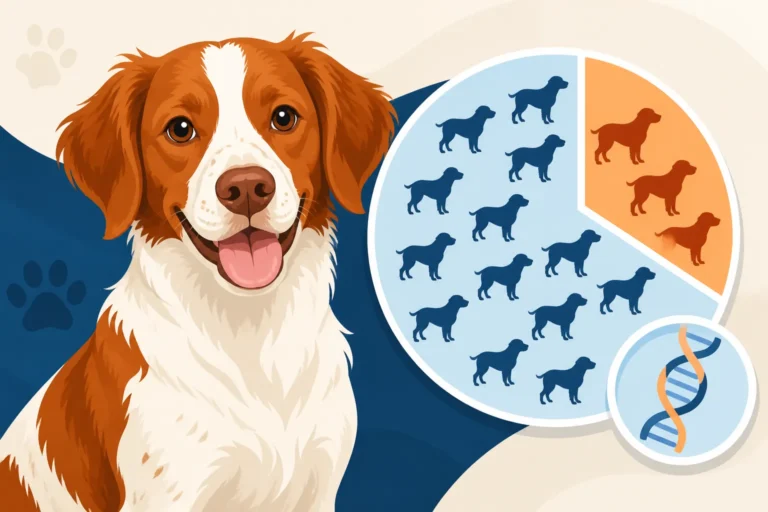
For a Brittany, understanding glaucoma is especially crucial because, unfortunately, our beloved breed is genetically predisposed to a type called primary glaucoma. This means the drainage angle within the eye is inherently malformed or dysfunctional, leading to the pressure buildup without any other underlying disease. It's not something they "catch"; it's something they're born with the potential for, making early detection and proactive discussions with your vet vital.
Beyond primary glaucoma, there's also secondary glaucoma, which occurs when another eye condition blocks the normal fluid drainage. This could be due to an injury, severe inflammation, a tumor inside the eye, or even a dislocated lens. While less common than primary glaucoma in Brittanys, it's still a possibility, and the outcome—the crushing damage to the optic nerve—is the same, regardless of the cause. Knowing the difference helps veterinarians pinpoint the right treatment, but for you, the owner, the immediate concern is always the pressure and the pain.
The damage from sustained high pressure is insidious. Initially, the subtle changes might go unnoticed, but as the pressure continues to mount, the optic nerve fibers are irreversibly destroyed. Once these nerve cells die, they don't regenerate. This means any vision lost due to glaucoma is permanent, which is why the "emergency" aspect isn't just about pain relief, but about preserving what little vision might be left.
The Ticking Clock: Why Every Minute Counts with Glaucoma
When it comes to glaucoma in your Brittany, time truly is vision. This isn't an ailment where you can wait a few days to see if it gets better or hold off until your regular vet appointment next week. An acute glaucoma attack is an immediate threat to your dog's eyesight, and delays can have devastating consequences. The intraocular pressure can climb to dangerously high levels very quickly, and every hour that passes with elevated pressure means more irreversible damage to the delicate structures inside the eye.
Veterinary ophthalmologists often describe a window of mere hours—sometimes as little as 12 to 24 hours—during which intervention can make a significant difference in preserving some vision. Beyond that, the likelihood of permanent blindness in the affected eye skyrockets. This rapid progression is what makes it such a terrifying diagnosis. You could go from noticing a slight squint in the morning to your dog being completely blind in that eye by evening, all while suffering intense pain.
The consequences of this rapid damage extend beyond just vision loss. The extreme pressure causes severe pain, which your stoic Brittany might try to hide at first, as they are known to be quite tough and might instinctively try to mask their discomfort, especially in the field. This pain can be excruciating, leading to behavioral changes, appetite loss, and a general withdrawal from their usual activities. In the worst-case scenarios, if the pressure cannot be controlled and the pain is relentless, the only humane option left is enucleation—surgical removal of the eye. This is a last resort, of course, but it highlights the severity of the condition and why early intervention is so critical.
Financial considerations also factor into this emergency. While no one wants to think about money when their dog is in pain, emergency vet visits and specialized treatments for glaucoma can be costly. This is where having a good pet insurance plan, such as one from Healthy Paws, can be a huge relief, allowing you to focus on your Brittany's immediate care rather than the bill. Knowing that you have support for unexpected emergencies like this can make a world of difference during a stressful time.
Recognizing the Red Flags: Signs Your Brittany Has Glaucoma
Because glaucoma progresses so quickly, being able to spot the early warning signs is paramount. As a Brittany owner, you're usually attuned to your dog's subtle cues, and paying close attention to their eyes and behavior can literally save their sight. Don't dismiss any unusual eye symptoms as just a minor irritation; in the context of glaucoma, they could be screaming for help.
One of the most obvious indicators is pain and discomfort. Your Brittany might start pawing at the affected eye, squinting, or rubbing their face against furniture or the ground more than usual. They might even become head-shy, pulling away if you try to touch their head. This pain can be quite intense, leading to a general change in demeanor. You might notice them being more lethargic, less interested in playing or eating, or even hiding away. Remember, Brittanys are tough, so if they're showing clear signs of pain, it's likely significant.
Beyond behavioral changes, there are several physical changes in the eye itself that you should look for:
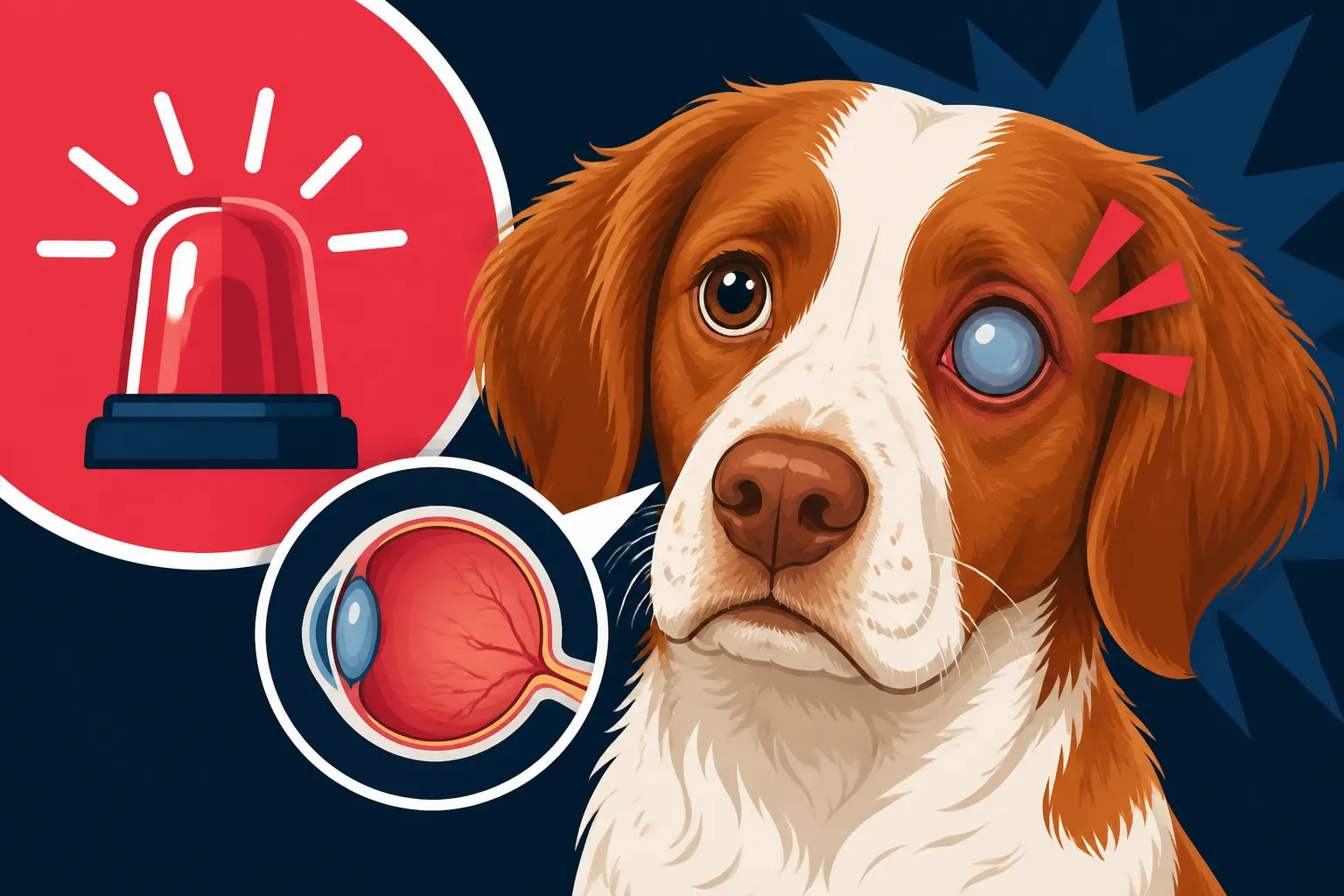
- Redness: The white part of the eye (sclera) might appear noticeably red or bloodshot due to engorged blood vessels.
- Cloudiness or Blue Haze: The cornea, the clear front surface of the eye, can become cloudy or develop a blue-grey haze. This happens because the high pressure causes fluid to build up within the cornea itself, creating a swollen, opaque appearance.
- Dilated Pupil: The pupil in the affected eye might appear larger than normal and may not react to light as readily as the healthy eye. In some cases, you might notice that the pupils are uneven in size (anisocoria).
- Bulging Eye: In severe or chronic cases, the entire eyeball might appear enlarged or protrude slightly from its socket, although this is usually a later, more advanced sign.
It's a good habit to gently examine your Brittany's eyes regularly, especially after a hunt or an active day, to establish a baseline of what's normal. Compare one eye to the other. Are they both clear? Are the pupils the same size? Is there any redness? This routine can help you quickly identify when something is amiss. Knowing how to check a Brittany's eyes after cover is especially helpful, as many things can get into their eyes, but glaucoma presents distinct visual cues that shouldn't be ignored.
If you suspect any of these signs, even subtly, do not hesitate. Call your veterinary emergency clinic or an animal ophthalmologist immediately. Describe your Brittany's symptoms clearly and emphasize the suddenness and severity of the eye issue. They will understand the urgency and advise you on the quickest course of action.
Here's a quick comparison table to help you distinguish between a normal and a glaucomatous eye:
| Symptom | Normal Brittany Eye | Glaucomatous Brittany Eye |
|---|---|---|
| Appearance | Clear, bright, responsive | Red, cloudy/blue haze, dull |
| Pupil Size | Equal in size, constricts in light | Dilated, often uneven compared to other eye, slow to react |
| Sclera (White Part) | White or pale pink, minimal visible blood vessels | Bloodshot, prominent red blood vessels |
| Behavior | Alert, no pawing or rubbing | Squinting, pawing at eye, rubbing face, head-shy, withdrawn |
| Cornea | Clear, transparent | Cloudy, hazy, sometimes appears swollen |
| Pain Level | None evident | Moderate to severe, may hide initially |
Immediate Action: What to Do When Glaucoma Strikes
Finding yourself in an emergency situation with your Brittany's eye can be terrifying, but knowing exactly what steps to take can make all the difference. Your immediate goal is to get veterinary attention as quickly as possible to alleviate the pressure and pain, and hopefully, preserve vision.
Getting to the Emergency Vet
As soon as you notice signs of glaucoma, call your nearest veterinary emergency clinic or, if available and open, a veterinary ophthalmologist's office. Don't just show up; call ahead. This allows the staff to prepare for your arrival, ensuring that an experienced vet or technician is ready to assess your Brittany immediately. Clearly explain the symptoms you're seeing – the red eye, the cloudiness, the pain – and stress that you suspect acute glaucoma. They will understand the time-sensitive nature of the problem. If you’re unsure where the closest emergency vet is, a quick online search for "24-hour vet near me" should give you options.
Once you arrive, the veterinary team will prioritize your Brittany. They will likely start with an immediate eye examination and measure the intraocular pressure (IOP) using a special device called a tonometer. This is a quick and non-invasive procedure, usually done with a topical anesthetic drop, which gives them a definitive reading of the eye pressure. Normal IOP in dogs is typically between 10-25 mmHg; anything significantly higher raises a red flag. They will also examine the structures of the eye, sometimes using a gonioscope to look at the drainage angle, especially if they suspect primary glaucoma.
Treatment Options and Prognosis
Treatment for acute glaucoma aims to rapidly reduce the eye pressure. This usually involves a combination of topical eye medications and sometimes oral medications. These drugs work by either decreasing the production of aqueous humor or increasing its outflow. Common medications might include prostaglandin analogs (like latanoprost) or carbonic anhydrase inhibitors (like dorzolamide). The vet will administer these immediately and teach you how to continue applying them at home, often several times a day.
In some cases, especially if medical management isn't bringing the pressure down quickly enough, surgical intervention might be considered. This could range from laser cyclophotocoagulation, which aims to destroy some of the cells that produce aqueous humor, to the placement of a shunt (a drainage implant) to create an alternative pathway for fluid to leave the eye. However, these more advanced procedures are usually performed by veterinary ophthalmologists and might require referral to a specialist center.
The prognosis for vision preservation in an acutely glaucomatous eye is always guarded, especially if the pressure has been high for an extended period. Many times, despite aggressive treatment, some degree of vision loss is permanent. The goal shifts to preserving as much functional vision as possible and, crucially, managing pain. Even if vision is lost in one eye, most Brittanys adapt remarkably well to living with one eye or even being completely blind, especially with a devoted owner. This is part of what it means to care for a Brittany past ten, or even at any age if they suffer a sudden illness.
Long-Term Management and Prevention
Even after the initial emergency is managed, glaucoma often requires lifelong management. Regular follow-up appointments with your veterinarian or ophthalmologist will be essential to monitor eye pressure, adjust medications, and catch any recurrence early. It's also critical to remember that if one eye develops primary glaucoma, the other eye has a high risk of developing it as well, often within months to a couple of years. Your vet will likely prescribe prophylactic medications for the unaffected eye to try and delay or prevent its onset. This is why a thorough yearly eye exam for your Brittany is so important, to monitor for early signs.
Financially, the ongoing medication costs and specialist visits can add up. Again, pet insurance providers like Healthy Paws can significantly lighten this burden, covering a portion of continuing treatments, prescription medications, and specialist consultations. It’s an investment in your dog’s health and your peace of mind. Discuss with your vet about the expected costs and whether a long-term plan is something your insurance can help with, as part of understanding what a Brittany costs over its lifetime.
While you can't prevent primary glaucoma if your Brittany is genetically predisposed, you can be vigilant. Early detection, understanding why a Brittany's glaucoma is an emergency, and swift action are your best tools to combat this devastating disease and give your beloved companion the best chance at a comfortable life, with or without full vision.
Disclaimer
This article is intended for informational purposes only and does not constitute veterinary advice. If you suspect your Brittany Spaniel has glaucoma or any other serious health condition, please seek immediate veterinary attention. Always consult with a qualified veterinarian for diagnosis and treatment.