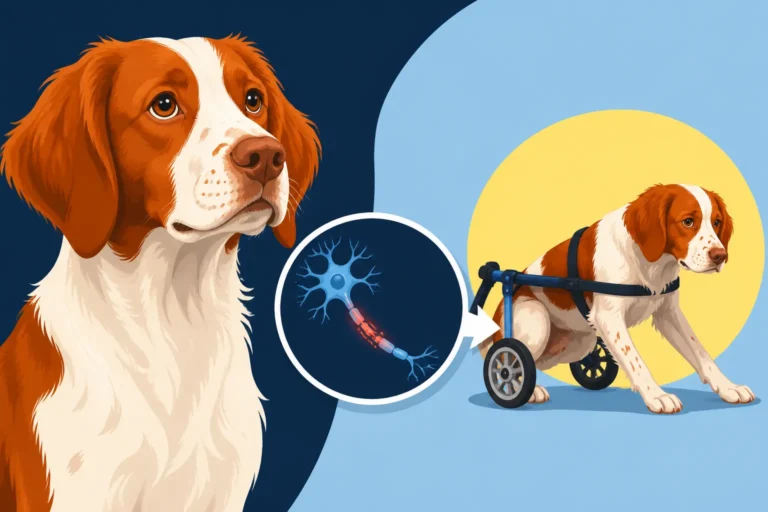
How Many Brittanys Carry C3 Deficiency
One of the most heartbreaking worries for any dog owner, especially those with a beloved Brittany, is the thought of their furry family member facing a debilitating genetic illness. It's a heavy burden to carry, knowing that despite all your love and care, a hidden gene could surface and cause severe health problems. For Brittany owners, the phrase "C3 Deficiency" often sparks concern, a specific immune system disorder that has been identified within the breed. Understanding its prevalence, particularly how many Brittanys carry the gene, is crucial for both current owners and those dreaming of bringing a Brittany puppy home. This guide will delve deep into the history, statistics, and implications of C3 Deficiency carriers, offering clear insights to help you navigate this important health topic.
The Journey to Understanding C3 Deficiency in Brittanys
Before we talk about carrier numbers, it's important to understand the journey to identify this condition. C3 Deficiency isn't just some vague ailment; it's a specific, inherited immune system disorder that became a significant concern for Brittany owners and breeders decades ago. Imagine the frustration and confusion of veterinarians and owners alike when puppies started showing severe, recurrent infections that just wouldn't respond to typical treatments, often leading to a tragic early demise. It was a mystery that plagued the breed for years, leaving many families devastated and breeders scratching their heads.
The tireless work of dedicated researchers, notably at institutions like the University of Pennsylvania and Cornell University, finally brought clarity to the situation. They identified that these Brittanys were lacking a critical component of their immune system called the third component of complement, or C3. This particular protein is like a linchpin in the immune response; without it, the body struggles to fight off even common bacterial infections. The discovery was a turning point, transforming a frustrating and often fatal enigma into a diagnosable, and eventually, manageable genetic condition. This research paved the way for breeders to understand C3 Deficiency Is the Brittany's Own Genetic Disease and take proactive steps.
Early Prevalence and the Wake-Up Call for Breeders
When the genetic basis for C3 Deficiency was first uncovered, the statistics were a wake-up call for the Brittany community. Initial studies, particularly those conducted in the late 1980s and early 1990s, revealed a concerning prevalence of the C3 deficient gene within the general Brittany population. It wasn't a rare anomaly; the gene was fairly widespread. Estimates from that period suggested that a notable percentage of Brittanys, sometimes as high as 10% to 15% or even more in some lines, were carriers of this recessive trait. This meant that while these dogs appeared perfectly healthy, they silently held the potential to pass on the defective gene to their offspring.
Think about what this meant for breeders at the time. Without a reliable test, they were essentially breeding in the dark, hoping for the best but unknowingly perpetuating a serious health issue. Pups would be born, seemingly robust, only to fall ill with severe infections at a young age, leaving everyone heartbroken. The identification of carriers allowed for a fundamental shift in breeding practices, moving from guesswork to informed decisions. It was a testament to the dedication of Brittany enthusiasts and scientists working together to improve the health of the breed.
How Many Brittanys Carry the C3 Deficiency Gene Today?
Due to the widespread availability of a DNA test and concerted efforts by responsible breeders, the prevalence of C3 Deficiency carriers in the Brittany population has significantly decreased since its initial discovery. It's a success story in genetic health management. Many breeders have diligently used the available DNA test to screen their breeding stock, making informed decisions to avoid pairing two carriers. This proactive approach has gradually reduced the number of affected puppies being born and, consequently, the overall carrier rate over generations.
While exact current percentages can fluctuate depending on the specific bloodlines and regions, it's generally understood that the percentage of carriers is much lower now than the 10-15% figures from decades past. However, it’s crucial to understand that "lower" doesn't mean "zero." The gene is still present in the breed, and carriers continue to exist. Reputable breeders remain vigilant, consistently screening their dogs to ensure they aren't contributing to the problem. It highlights the importance of asking for health clearances when looking for a puppy, ensuring you understand What a Brittany Spaniel Breeder Should Have Tested before committing.
Decoding C3 Deficiency Inheritance: What Being a Carrier Means
To truly grasp why carrier numbers matter, we need to talk about the genetics involved. C3 Deficiency in Brittanys follows an autosomal recessive inheritance pattern. Now, don't let those fancy words intimidate you! It's actually a pretty straightforward concept once you break it down, and it's fundamental to understanding why carriers are so important in genetic health. This is exactly How C3 Deficiency Is Inherited in Brittanys and dictates how the disease manifests.
In simple terms, "autosomal" means the gene isn't linked to sex chromosomes (like X or Y), so it affects males and females equally. "Recessive" is the key part: a dog needs two copies of the defective gene—one from each parent—to actually develop the disease and become C3 deficient. A carrier, on the other hand, only has one copy of the defective gene and one normal copy.
The Role of a Carrier: Silent but Significant
A Brittany that is a C3 Deficiency carrier is usually completely healthy itself. It won't show any symptoms of immune system issues, and you wouldn't be able to tell it apart from a non-carrier just by looking at it or observing its behavior. This is often where the frustration lies for owners and breeders alike – the silent nature of the carrier state. A carrier’s single normal gene copy is enough to produce sufficient C3 protein, allowing their immune system to function perfectly well. However, they carry that one "hidden" defective gene, and that's where their significance in breeding comes into play.
If a carrier Brittany is bred with a non-carrier (a "clear" dog), none of the puppies will be affected by C3 Deficiency, meaning they won't develop the disease. However, on average, half of that litter will inherit the single defective gene and also become carriers. These carrier puppies will then be able to pass the gene on to their offspring, continuing the chain. This is why testing and careful breeding choices are so vital in managing the long-term health of the breed.
The Breeding Risk: When Carriers Meet
The real risk of C3 Deficiency emerges when two carriers are bred together. This is the scenario that breeders absolutely strive to avoid through genetic testing. When two Brittanys, both silently carrying one copy of the defective C3 gene, are mated, the statistical probabilities for their offspring are as follows:
| Offspring Genetic Status | Probability | Outcome |
|---|---|---|
| Clear (no defective genes) | 25% | Will not have C3 Deficiency, will not be a carrier |
| Carrier (one defective gene) | 50% | Will not have C3 Deficiency, but can pass it on |
| Affected (two defective genes) | 25% | Will develop C3 Deficiency |
As you can see from the table, there's a 25% chance that puppies from such a pairing will inherit two copies of the defective gene and therefore be born C3 deficient. These are the puppies that will likely experience severe immune system problems from a young age, facing recurrent infections and a significantly compromised quality of life. This is the ultimate "why" behind screening and why understanding carrier rates is so critical for the health and longevity of the breed. It also highlights why discussions around Whether Two Brittany C3 Carriers Should Be Bred are so important in ethical breeding circles.
Screening for C3 Deficiency: A Breeder's Responsibility and an Owner's Peace of Mind
The good news in all of this is that C3 Deficiency is one of the genetic conditions for which a reliable DNA test exists. This test is a game-changer for breeders, allowing them to make informed decisions and prevent the birth of affected puppies. Before the advent of genetic testing, breeders could only guess at the genetic makeup of their dogs, relying on pedigree analysis and hoping for the best. Now, with a simple swab or blood sample, they can definitively determine if a dog is clear, a carrier, or affected.
This easily accessible tool means that breeders no longer have an excuse for producing C3 deficient puppies. Responsible breeding practices dictate that all breeding stock should be tested. If a potential breeding dog is identified as a carrier, ethical breeders will choose to breed it only with a dog that is certified "clear" of the C3 Deficiency gene. This strategy ensures that no puppies will be born affected, although some may still be carriers, continuing the work of gradually reducing the gene's presence in the breed. This dedication to health testing is a hallmark of a truly reputable breeder. Knowing Whether a Brittany Breeder Screens for C3 is a vital question for any prospective puppy buyer.
The Role of DNA Testing in Reducing Prevalence
The development and widespread adoption of a specific DNA test for C3 Deficiency revolutionized how the condition is managed within the Brittany breed. This test, often available through veterinary genetics laboratories (like the one at Cornell University that pioneered much of the research), provides a definitive answer. Prior to this, diagnosis was often made after a puppy was already gravely ill, experiencing symptoms like recurrent bacterial infections, skin issues, and even kidney problems, which can sometimes follow Whether Kidney Disease Follows C3 Deficiency in a Brittany.
Breeders who are truly committed to the health of their lines integrate C3 testing as a routine part of their health clearances. This proactive screening allows them to select breeding pairs that will never produce affected offspring. Over time, as more and more breeders have adopted these practices, the frequency of the C3 deficient gene in the overall population has declined. While this doesn't mean the gene is eradicated, it signifies a significant improvement in the breed's health profile regarding this specific condition. Understanding Whether a DNA Test for Brittany C3 Deficiency Exists empowers both breeders and buyers.
What Prospective Owners Should Ask and Look For
If you're looking to welcome a Brittany into your home, especially a puppy, it's absolutely essential to do your homework and engage with reputable breeders. Don't be shy about asking direct questions about C3 Deficiency. A responsible breeder will not only be happy to discuss it but will also provide documentation of their breeding dogs' C3 test results. They should be able to show you certificates proving that both parents of your potential puppy are either "clear" or that one parent is a "carrier" and the other is "clear." If a breeder hesitates or cannot provide these results, it's a significant red flag.
Remember, the goal is to never produce an affected puppy. While a carrier can be a wonderful, healthy dog and still be part of a thoughtful breeding program (when bred only to a clear dog), no reputable breeder would knowingly breed two carriers together. This diligence from breeders, combined with informed questioning from prospective owners, is the best way to continue reducing the prevalence of C3 Deficiency in future generations of Brittanys. It’s part of the comprehensive health picture, alongside understanding issues like Epilepsy in a Brittany Spaniel or What the OFA Records Show About Brittany Hips. Owning any dog, especially a dynamic and active breed like the Brittany, comes with potential health considerations. While testing for conditions like C3 Deficiency is paramount, many owners also find peace of mind with pet insurance providers like Healthy Paws, which can help mitigate the costs of unexpected illnesses or injuries that can arise, whether genetic or accidental.
The Realities of C3 Deficiency in an Affected Brittany
While this guide focuses on carriers, it’s worth briefly understanding what C3 Deficiency means for an affected Brittany, as it underscores the importance of preventing it. A C3 deficient Brittany's immune system is severely compromised, making it highly susceptible to a range of bacterial infections. These can include recurrent skin infections, respiratory problems, urinary tract infections, and generalized systemic infections that are difficult to treat. These puppies often show Signs a Brittany Puppy Has an Immune Problem early in life.
The prognosis for C3 deficient Brittanys is generally poor, with many not reaching adulthood despite aggressive veterinary care. They face a constant battle against pathogens that a healthy dog would easily shrug off. The medical expenses for managing such a condition can be astronomical, and the emotional toll on the family is immense. This is why the conversation about carrier rates and responsible breeding is so vital – it's about giving every Brittany puppy the best chance at a long, healthy life, free from the burdens of this debilitating inherited disease. Even with the best care, owners with affected dogs can face significant financial and emotional strain, making comprehensive pet insurance like Healthy Paws a valuable safety net for unexpected severe health challenges. Knowing Why a C3 Deficient Brittany Cannot Fight Infection truly drives home the severity.
Disclaimer
This article is for general informational purposes only and does not constitute professional advice. Laws, prices and regulations vary by location and change over time. Consult a qualified professional for guidance on your specific situation.