Why a C3 Deficient Brittany Cannot Fight Infection
It’s heartbreaking to learn your beloved Brittany isn't as robust as they should be, especially when they’re struggling with something as fundamental as fighting off infections. Many Brittany owners face the bewildering challenge of a dog that seems to constantly battle illness, leaving them frustrated and worried. This comprehensive guide will shed light on why a C3 deficient Brittany cannot effectively combat infections, detailing the intricate mechanisms of the immune system and offering practical advice for managing this complex condition.
Understanding the Immune System and C3 Deficiency
When we talk about a dog’s immune system, we’re really talking about a complex network of cells, tissues, and organs that work together to defend the body against foreign invaders like bacteria, viruses, fungi, and parasites. It’s like a highly trained army, with different units specializing in different tasks, all coordinating to protect the homeland. For a Brittany, or any dog, a robust immune system is absolutely vital for a healthy, active life, especially one spent exploring fields and streams.
The Role of the Complement System in Immunity
Within this incredible immune army, there's a specialized group of proteins that forms what we call the "complement system." Think of the complement system as an advanced alarm and attack squad, always on patrol in the bloodstream and tissues, ready to spring into action at the first sign of trouble. It's not a single entity but a cascade of about 30 different proteins that, when activated, work in sequence to destroy pathogens directly and to flag them for destruction by other immune cells. This system is incredibly important for both innate immunity (your body’s first, non-specific line of defense) and adaptive immunity (the more specific, learned response).
The complement system does several critical jobs. It can poke holes in bacterial cell walls, leading to their demise. It can coat pathogens, making them more "palatable" for scavenger cells (a process called opsonization). It can also send out chemical distress signals, recruiting more immune cells to the site of infection and initiating a strong inflammatory response. Without a fully functional complement system, the body's ability to mount a quick and effective defense is severely hampered, leaving it vulnerable. This is where the issues for a Brittany with a C3 deficiency truly begin, as C3 is a cornerstone of this vital system.
How C3 Deficiency Compromises a Brittany's Defenses
Now, let's talk about C3 deficiency specifically. C3 is arguably the most crucial protein in the entire complement cascade. Imagine a meticulously built domino chain, designed to fall in a specific order to trigger a powerful final action. C3 is like the central, biggest domino in that chain. If C3 is missing or not functioning correctly, that entire cascade grinds to a halt. It’s a breakdown in communication and action right at the heart of the complement system, essentially rendering the whole system ineffective.
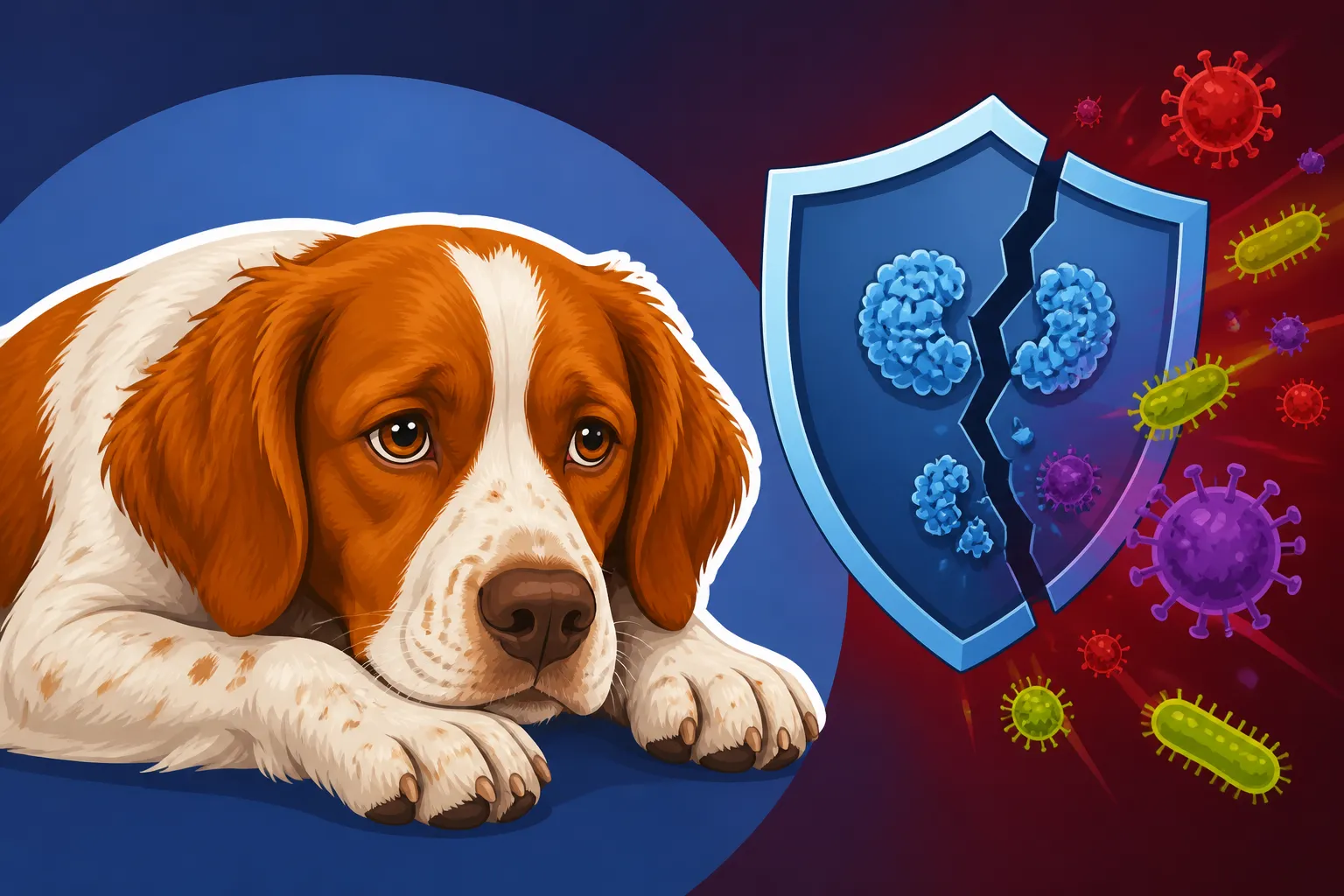
For a Brittany, C3 deficiency means that even if their body detects a threat, it struggles to properly activate the full strength of its immune response. The complement cascade can't progress efficiently, which means the vital downstream functions—like directly killing bacteria, opsonizing pathogens for phagocytosis, and signaling for inflammation—are significantly impaired. This isn't just a minor glitch; it’s a profound weakening of the immune system's frontline defenses. If you're wondering "What C3 Deficiency Does to a Brittany", it means they're constantly fighting with one hand tied behind their back. Without C3, the rapid, decisive action usually provided by the complement system is largely absent, allowing infections to gain a foothold and spread much more easily than they would in a healthy dog. This is why a C3 deficient Brittany simply cannot fight infection the way a healthy dog can.
Specific Ways C3 Deficiency Leads to Infection Vulnerability
Understanding the central role of C3 is one thing, but seeing how its absence translates into tangible vulnerabilities helps truly grasp the severity of the situation. It’s not just a theoretical problem; it has real, daily consequences for a C3 deficient Brittany, leading to a frustrating cycle of illness that can be hard to break.
Impaired Phagocytosis and Bacterial Clearance
One of the most critical functions of the immune system is phagocytosis – literally "cell eating." This is the process where specialized immune cells, like macrophages and neutrophils, engulf and digest foreign particles, including bacteria, dead cells, and debris. It’s the body's clean-up crew and first line of defense against bacterial invaders. For phagocytosis to be truly efficient, especially against tricky pathogens, the complement system plays a starring role through a process called opsonization. Imagine a slippery, hard-to-catch fish (bacteria). Opsonization is like coating that fish in breadcrumbs, making it much easier for the chef (phagocyte) to pick up and cook (digest). C3, in its activated form, is one of the primary "breadcrumbs."
When C3 is deficient, this opsonization process doesn't happen effectively. The bacteria are still there, but the phagocytes struggle to recognize them as threats or to "grab" them efficiently. It's like having plenty of clean-up crew members, but they're all blindfolded. This dramatically impairs the Brittany's ability to clear bacteria from its system, whether they're in the bloodstream, tissues, or organs. The bacteria simply persist, multiply, and cause recurrent, often severe, infections. This is a primary reason why a C3 deficient Brittany cannot effectively fight off bacterial invasions, leading to persistent issues with infections that a healthy dog would quickly overcome. Owners might notice signs a Brittany puppy has an immune problem, such as being constantly sick with various bugs.
Reduced Inflammation and Immune Response Activation
Inflammation often gets a bad rap, but in the context of the immune system, it's a vital, life-saving process. It’s the body’s way of signaling that something is wrong, bringing blood flow, immune cells, and healing factors to the site of injury or infection. Think of it as an emergency beacon and a rapid deployment of forces. The complement system, particularly C3 and its breakdown products, are powerful inflammatory mediators. When C3 is activated, it releases small fragments that act as potent chemical messengers, essentially shouting "Emergency! All hands on deck!" These messengers increase blood vessel permeability, allowing more immune cells to exit the bloodstream and enter infected tissues. They also directly stimulate other immune cells to become more active and potent.
In a C3 deficient Brittany, these critical inflammatory signals are either absent or severely diminished. This means that the body’s natural inflammatory response is muted or delayed. Infections can take hold and spread before the full immune force is properly rallied and deployed. It's like the emergency beacon is broken, and the reinforcements don't get the message until much later, by which time the invasion has already progressed significantly. This lack of proper immune activation contributes heavily to the persistent and often severe nature of infections in these dogs. The body just isn't able to mount the robust, coordinated defense needed to swiftly eliminate pathogens, making even common environmental bacteria a serious threat.
Common Infections and Health Challenges for C3 Deficient Brittanys
Living with a C3 deficient Brittany means being perpetually aware of the heightened risk of infection. These aren't just minor sniffles; the inability to mount a proper immune response means that seemingly innocuous exposures can escalate into serious, even life-threatening, conditions. It's a constant tightrope walk for owners, requiring vigilance and proactive care.
Types of Recurrent Infections Seen in Affected Dogs
Because of the systemic impairment of their immune response, C3 deficient Brittanys are susceptible to a wide array of infections, often characterized by their recurrence and severity. These dogs frequently battle bacterial infections that healthy dogs easily shrug off. Common culprits include Staphylococcus and Streptococcus species, which are normally found on the skin or in the environment but can become pathogenic when the immune system is weak.
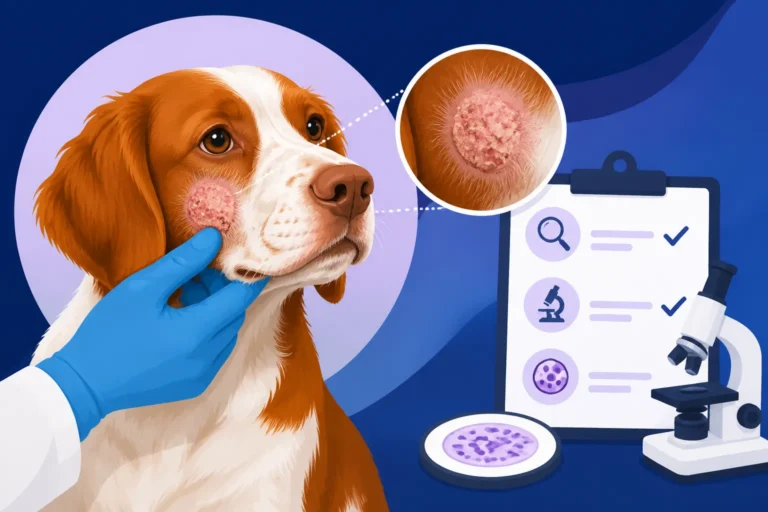
Owners might find their Brittany suffering from frequent skin infections (pyoderma), which can manifest as persistent hot spots, abscesses, or deep bacterial lesions that are difficult to clear. Respiratory infections, such as bronchitis or pneumonia, are also a significant concern, often leading to chronic coughing, lethargy, and breathing difficulties. Urinary tract infections can become a recurring nightmare, causing discomfort, frequent urination, and sometimes progressing to more serious kidney involvement. Furthermore, C3 deficient Brittanys can experience joint infections (septic arthritis) or even systemic infections (sepsis) if bacteria enter the bloodstream, which can be rapidly fatal. If you're asking "Which Infections a C3 Deficient Brittany Gets", the answer is almost any bacterial infection, and they tend to be more severe and harder to resolve. This persistent battle against infection can significantly impact their quality of life, leading to chronic discomfort and reduced vitality.
Broader Health Implications and Management Strategies
The chronic nature of these infections and the underlying immune deficiency have broader health implications for a C3 deficient Brittany. Constant immune system activation, even if inefficient, puts a significant strain on the body. This can lead to general malaise, weight loss, and a failure to thrive. It’s an exhausting existence for these dogs, and their lifespan can be significantly impacted if the condition is not well-managed. Owners often wonder "The Age C3 Deficiency Shows in a Brittany" and "Whether a C3 Deficient Brittany Reaches Adulthood." Unfortunately, symptoms typically appear in puppyhood, and without diligent care, reaching adulthood can be a challenge. There's also concern about whether kidney disease follows C3 deficiency in a Brittany, as chronic inflammation and immune complex deposition can eventually damage organs.
Managing this condition requires a multi-faceted approach. First and foremost, prompt and aggressive treatment of any infection is paramount. This often means longer courses of antibiotics, sometimes tailored based on culture and sensitivity tests. Beyond treatment, preventive measures are crucial. This includes meticulous hygiene, avoiding high-risk environments where pathogen exposure is likely, and maintaining a high-quality diet to support overall health. Regular veterinary check-ups are non-negotiable, and your vet might recommend more frequent "What a Brittany's Yearly Bloodwork Should Cover" panels to monitor for signs of systemic inflammation or organ damage. Genetic testing for C3 deficiency is available and highly recommended for breeders to prevent passing on this devastating condition, especially since "How C3 Deficiency Is Inherited in Brittanys" is a simple recessive trait, meaning both parents must be carriers. If you're a potential owner, ask about "Whether a DNA Test for Brittany C3 Deficiency Exists" for the puppy and its parents.
Living With and Managing a C3 Deficient Brittany
Taking on a C3 deficient Brittany is a profound commitment, but it's one filled with opportunities to provide a loving home and ensure the best possible quality of life for your companion. It means becoming an exceptionally vigilant and proactive advocate for your dog's health, working hand-in-hand with veterinary professionals.
Proactive Care and Environmental Management
Because their immune systems are compromised, a C3 deficient Brittany thrives in an environment where pathogen exposure is minimized. This doesn't mean isolating them from the world, but it does mean being mindful of their surroundings. Regular cleaning of their living space, bedding, and toys is crucial. Consider using filtered water and ensure their food bowls are always impeccably clean. While they still need exercise and mental stimulation, activities in heavily populated dog parks or areas with unknown health statuses of other animals might need to be approached with caution. Every scratch, every minor cut, every damp ear can be an entry point for bacteria, so daily checks are key.
Diet plays a significant role in overall health, and a high-quality, balanced diet can support their general well-being, even if it can't fix the underlying C3 deficiency. Some vets might recommend supplements to bolster immune function, though these should always be discussed with a professional. Stress reduction is also vital, as stress can further depress immune function. Maintaining a consistent routine, providing plenty of mental enrichment, and ensuring they feel secure and loved can go a long way in supporting their health. Remember, preventing infections is always easier than treating them once they've taken hold.
The Role of Veterinary Care and Owner Vigilance
Partnering with an experienced veterinarian is the cornerstone of managing a C3 deficient Brittany. Your vet will be your best resource for tailored advice, diagnostic testing, and treatment protocols. Don't hesitate to contact them at the first sign of illness, even if it seems minor, because what might be a fleeting bug for a healthy dog can quickly become severe for a C3 deficient one. Regular preventative care, including appropriate vaccinations and parasite control, is even more critical for these dogs, though your vet might adjust vaccine schedules based on their specific immune status.
It’s also important to be realistic about the financial commitment involved. Managing chronic or recurrent infections, including frequent vet visits, diagnostic tests, and potentially long courses of specialized medications, can add up quickly. This is where pet insurance can be an absolute lifesaver. Companies like Healthy Paws offer comprehensive coverage that can help mitigate the financial stress of ongoing medical care. Having a robust pet insurance plan can mean the difference between getting your Brittany the immediate, high-quality care they need and facing difficult financial decisions during a crisis. Understanding "What a Brittany Costs Over Its Lifetime" definitely needs to factor in potential health issues, and unfortunately, a C3 deficient Brittany will likely incur higher veterinary bills. If you’re considering bringing a Brittany into your life, especially if "Whether a Brittany Fits a Modest Budget" is a concern, it's essential to plan for potential health challenges and consider how pet insurance can support you.
| Aspect of Care | Standard Brittany Needs | C3 Deficient Brittany Needs (Increased Focus) |
|---|---|---|
| Environmental Hygiene | Regular cleaning | Meticulous, frequent cleaning |
| Diet | High-quality, balanced | High-quality, immune-supporting |
| Exercise | Regular, appropriate | Regular, but monitored for overexertion |
| Vaccinations | Standard schedule | Vet-evaluated, possibly adjusted schedule |
| Parasite Control | Regular treatment | Strict, consistent adherence |
| Vet Visits | Annual wellness exams | More frequent wellness checks, prompt visits for any symptom |
| Infection Treatment | Standard course of meds | Aggressive, prolonged courses of antibiotics, cultures often needed |
| Monitoring | General observation | Daily full-body checks for cuts, sores, ear issues |
| Financial Planning | General pet expenses | Higher potential vet bills, consider pet insurance (e.g., Healthy Paws) |
Remember, your vigilance and dedication are their best defense. While the journey with a C3 deficient Brittany can be challenging, the bond you share and the love you provide will make all the difference in their lives.
Disclaimer
The information provided in this article is for educational purposes only and is not a substitute for professional veterinary advice. Always consult with a qualified veterinarian for any health concerns or before making any decisions about your Brittany's medical care.