Whether a Brittany Health Guarantee Covers Hips
Bringing a new Brittany puppy home is one of the most exciting times for any dog lover or hunter, filled with dreams of field adventures and loyal companionship. But alongside that joy often comes a whisper of anxiety about potential health issues, especially those crippling orthopedic problems like hip dysplasia that can derail a dog's active future. Many new owners wonder, and rightly so, what protection a breeder's health guarantee truly offers when it comes to something as complex and potentially expensive as hip problems. This guide will walk you through the ins and outs of breeder health guarantees, specifically addressing how they relate to hip health in your beloved Brittany.
Understanding Breeder Health Guarantees
When you get a puppy from a responsible breeder, they usually provide some form of health guarantee. This isn't just a nice gesture; it's a mark of their commitment to the health of the puppies they produce and a testament to their breeding practices. However, it's crucial to understand that these guarantees aren't all created equal, and their scope and what they actually cover can vary wildly from one breeder to the next.
A health guarantee is essentially a written agreement between you and the breeder, outlining what will happen if your puppy develops certain genetic health conditions within a specified timeframe. It's meant to provide some peace of mind, assuring you that the breeder has taken steps to minimize known inheritable diseases. But let's be realistic: no breeder can guarantee a living creature will be perfectly healthy for its entire life, especially with conditions influenced by multiple genes and environmental factors.
What many people expect versus what they receive can be a stark difference. You might imagine a guarantee means the breeder will cover all veterinary expenses if a problem arises. In reality, most breeder guarantees for genetic conditions like hip dysplasia offer a replacement puppy or a partial refund/credit towards a future puppy, rather than directly covering hefty medical bills. It’s a policy designed more to protect the integrity of the breeding program and the new owner's investment in a sound dog, rather than functioning like a comprehensive pet insurance plan.
The Purpose of a Health Guarantee
The primary purpose of a health guarantee, particularly for conditions like hip dysplasia, is to ensure the genetic quality of the breeding stock. A breeder who offers a guarantee is usually confident in their lines, having screened the parents for inheritable diseases. If an issue still arises, it prompts the breeder to re-evaluate their breeding program and often ensures that the affected dog is not bred. For the new owner, it provides a safety net, albeit one that needs careful examination.
Think of it less as a warranty on a product and more as a promise of responsible breeding. It encourages transparency and accountability within the breeding community. It also helps to differentiate reputable breeders who invest in health testing from those who might cut corners, sometimes to the detriment of the puppies they produce.
Common Limitations and Exclusions
It's absolutely vital to read every word of a breeder's contract, especially the fine print concerning health guarantees. You'll often find limitations on the conditions covered, the timeframe, and the remedies offered. For instance, a guarantee for hips might only cover "severe" hip dysplasia, not mild or moderate cases. There might be a specific age limit, perhaps two years, by which time a diagnosis must be made and verified.
Furthermore, many guarantees specify that the dog must not have been over-exercised, injured, or allowed to become overweight, as these factors can exacerbate or even contribute to orthopedic problems. They might also require specific veterinary documentation, including official hip evaluations from organizations like the Orthopedic Foundation for Animals (OFA) or PennHIP. Failure to comply with these terms, even unintentionally, can nullify your guarantee, leaving you entirely responsible for all costs.
Why Hip Dysplasia Is a Major Concern for Brittanys
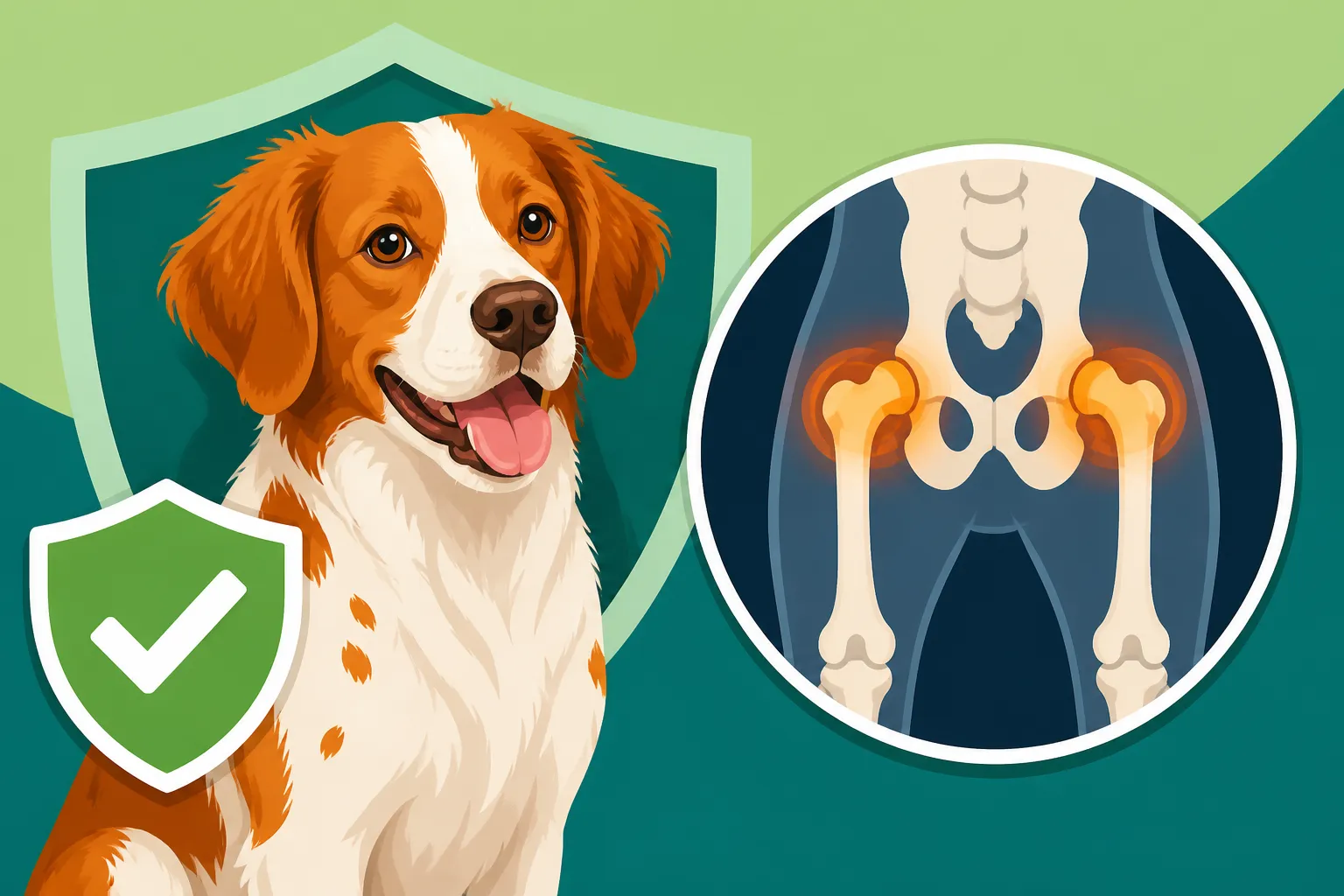
Hip dysplasia is a significant orthopedic condition that affects many dog breeds, and unfortunately, Brittanys are not exempt. It's a developmental condition where the hip joint doesn't form correctly, leading to a loose fit between the ball (femoral head) and socket (acetabulum) of the hip. Over time, this poor fit causes wear and tear, pain, and eventually degenerative joint disease (arthritis). How Common Hip Dysplasia Is in Brittany Spaniels is a question many prospective owners have, and it highlights the importance of understanding this issue.
For a high-energy, agile hunting dog like a Brittany, healthy hips are paramount. Their lives revolve around running, jumping, retrieving, and traversing challenging terrain. A dog with hip dysplasia can experience chronic pain, lameness, and a significantly reduced quality of life, potentially cutting short their working career and even their ability to enjoy simple walks.
The Role of Genetics and Environment
Hip dysplasia is primarily genetic, meaning it's passed down from parents to offspring. However, it's not a simple single-gene trait. It's polygenic, involving multiple genes, and is also influenced by environmental factors. This complexity is why even two OFA-certified parents can, in rare cases, produce an offspring with hip dysplasia, though the risk is drastically reduced with responsible breeding practices.
Environmental factors like rapid growth, excessive weight gain during puppyhood, inappropriate exercise, or even certain nutritional imbalances can contribute to the severity of hip dysplasia in a genetically predisposed dog. This is why a breeder's guarantee often has stipulations about how you raise your puppy. Preventing obesity and avoiding high-impact activities like repetitive jumping or long-distance running on hard surfaces during a Brittany's crucial growth phases are important steps an owner can take to protect their dog's developing joints.
Hip Screening Programs: OFA and PennHIP
Reputable Brittany breeders are proactive about screening their breeding stock for hip dysplasia using established methods like the OFA (Orthopedic Foundation for Animals) or PennHIP evaluations. What the OFA Records Show About Brittany Hips is a crucial piece of information for any buyer. The OFA assigns a rating (Excellent, Good, Fair, Borderline, Mild, Moderate, Severe) based on X-rays taken after the dog is 24 months old. PennHIP involves a different set of X-rays and measures hip laxity, providing a distraction index (DI) score, which can be done earlier, sometimes as young as 16 weeks.
These screenings are vital because they provide an objective assessment of a dog's hip health, allowing breeders to make informed decisions about which dogs to include in their breeding programs. A breeder who screens their dogs demonstrates a commitment to reducing the incidence of hip dysplasia in future generations. You should always ask to see the official hip clearances of both parent dogs, not just take the breeder's word for it.
What to Look For in a Health Guarantee Regarding Hips
When you're reviewing a Brittany breeder's health guarantee, especially concerning hips, there are several key elements you absolutely must scrutinize. This isn't the time to be shy or assume anything; clarity is your best friend here. A good breeder will welcome your questions and be transparent about their contract terms.
First, identify the duration of the guarantee for hips. Most reputable breeders offer a hip guarantee until the dog is two years old, which aligns with the age for final OFA certification. Some might extend it slightly, but rarely beyond two or three years, as environmental factors become increasingly influential past that point. A guarantee that only covers a few months is a major red flag, as hip dysplasia typically manifests later.
Specificity of the Coverage
Does the guarantee specify what level of hip dysplasia is covered? For example, does it only apply to "severe" hip dysplasia as diagnosed by OFA or PennHIP, or does it include "moderate" cases? A guarantee that only covers the most extreme cases might not be as reassuring as one that includes moderate diagnoses, which can still significantly impact an active Brittany's life.
Look for language that dictates the diagnostic process. Most breeders will require an official diagnosis from a board-certified veterinary radiologist (through OFA or PennHIP) before honoring a guarantee. They may also ask for a second opinion or for the X-rays to be submitted directly to them for review by their own veterinarian. Be prepared to provide comprehensive veterinary records if a claim needs to be made.
The Breeder's Remedy
This is where expectations often diverge. As mentioned, few breeders offer to cover the full cost of veterinary treatment or surgery, which can be substantial. What Hip Surgery Costs on a Brittany can run into the thousands, a sum most breeders are not prepared to absorb. Instead, common remedies include:
- Replacement Puppy: The breeder offers you another puppy from a future litter. This often means returning the affected dog, or sometimes allowing you to keep it with the understanding that you won't use it for breeding.
- Partial Refund/Credit: A portion of the original purchase price is refunded, or a credit is applied towards another puppy from the breeder.
- No Remedy: In rare or less reputable cases, a guarantee might exist on paper but offer no practical solution.
Understand which option is on the table. If a replacement puppy is offered, consider what that means for your family and your existing dog. Are you prepared to potentially give up your beloved companion? Or are you looking for financial assistance to care for the dog you already have?
Conditions Placed on the Owner
Many health guarantees come with stipulations about the care you provide for your Brittany. These often include:
- Proper Nutrition: Feeding a high-quality diet appropriate for a growing large-breed puppy to prevent rapid growth spurts. Brands like Ollie, which focus on fresh, balanced meals, or premium kibbles available through retailers like Chewy, emphasize proper nutrition that supports skeletal development.
- Appropriate Exercise: Avoiding excessive or high-impact exercise during critical growth periods. When a Brittany's Growth Plates Close is an important milestone to be aware of.
- Weight Management: Keeping your Brittany at a healthy weight throughout its life to avoid undue stress on joints.
- Veterinary Care: Regular check-ups and prompt attention to any health concerns.
Failing to adhere to these conditions, in the breeder's eyes, could negate the guarantee. It’s important to understand these responsibilities from day one.
| Guarantee Aspect | What to Look For | Why It Matters |
|---|---|---|
| Duration | 24 months (minimum for OFA certification) | Covers critical development period; aligns with standard screening age. |
| Conditions | "Severe" and "Moderate" hip dysplasia | Ensures protection against a wider range of debilitating conditions. |
| Diagnosis | Requires OFA/PennHIP certification by board-certified vet | Ensures objective, professional diagnosis. |
| Remedy | Replacement puppy, partial refund/credit | Clarifies what you can expect; rarely covers vet bills directly. |
| Owner Clauses | Proper nutrition, exercise, weight, vet care | Breeder protects their liability; you understand your responsibilities. |
| Verification | Submission of X-rays, vet records | Ensures legitimate claim; prevents fraudulent claims. |
Navigating Hip Issues When There's No Guarantee
Even with the best intentions and a solid guarantee, sometimes things don't go as planned. Perhaps your Brittany develops hip issues beyond the guarantee's timeframe, or the specific condition isn't covered. This is the harsh reality for many dog owners, and it underscores the importance of being prepared for the financial and emotional challenges that can arise.
If your Brittany develops hip dysplasia and you're outside the guarantee, or if the guarantee doesn't apply, the full financial burden for diagnosis and treatment falls to you. This can be incredibly stressful, especially for a condition that often requires ongoing management, pain medication, physical therapy, or even costly surgeries like a Total Hip Replacement (THR) or Femoral Head Ostectomy (FHO).
Pet Insurance as a Lifeline
This is where pet insurance can truly be a lifesaver. Companies like Healthy Paws offer various plans that can help cover the costs of unexpected illnesses and accidents, including hip dysplasia, as long as it's not a pre-existing condition before enrollment. While you'll still have a deductible and co-pay, having a significant portion of those expensive vet bills reimbursed can make a huge difference in your ability to provide the best care for your Brittany.
It’s advisable to enroll your puppy in pet insurance as early as possible, ideally before any signs of hip dysplasia or other orthopedic issues might appear. Once a condition is diagnosed, it becomes a pre-existing condition and will likely be excluded from future coverage. Research different plans and what they specifically cover regarding genetic and orthopedic conditions. What Insuring a Brittany Costs a Month is a worthwhile investment when you consider the potential costs of treatments.
Long-Term Management and Support
Living with a Brittany with hip dysplasia often means a commitment to long-term management. This can include:
- Pain Management: Daily medications (NSAIDs), joint supplements (glucosamine, chondroitin, omega-3 fatty acids). Many of these supplements are readily available through retailers like Chewy or specific veterinary brands.
- Physical Therapy: Hydrotherapy, laser therapy, and specific exercises to maintain muscle mass and joint flexibility.
- Weight Management: Keeping your Brittany lean is perhaps the single most impactful thing you can do to manage hip dysplasia symptoms. A nutritionist or your vet can help you tailor your Brittany's diet, potentially incorporating fresh food options from services like Ollie, or specialized prescription diets.
- Activity Modification: Adjusting exercise routines to avoid high-impact activities, focusing instead on swimming, leash walks, and gentle play.
- Home Accommodations: Ramps, orthopedic beds, and non-slip mats can improve comfort and mobility around the house.
Even if you have a health guarantee, a responsible owner will still implement these measures to ensure their dog's comfort and well-being. A guarantee provides a financial safety net, but ultimately, the day-to-day care and love come from you. Understanding your responsibilities and being prepared for the potential challenges ensures that your Brittany, regardless of its hip health, lives the fullest, happiest life possible.
Disclaimer
This article is for general informational purposes only and does not constitute professional advice. Laws, prices and regulations vary by location and change over time. Consult a qualified professional for guidance on your specific situation.