What a Brittany Breeder Contract Requires
When you're excitedly anticipating bringing home a Brittany puppy, the last thing you might want to delve into is a lengthy legal document. You're dreaming of fetch in the field, not legal jargon. But here's the thing: a well-drafted Brittany breeder contract isn't just a formality; it's a critical roadmap that outlines the expectations, responsibilities, and protections for you, the breeder, and most importantly, your new furry family member. This guide will walk you through the essential components of a typical Brittany breeder contract, explaining why each section matters and what you should pay close attention to before you sign on the dotted line.
Understanding the Purpose of a Brittany Breeder Contract
It’s easy to feel overwhelmed or even a little suspicious when presented with a formal contract for a puppy. After all, you’re looking for a loving companion, not entering a business deal. However, understanding the true purpose behind a breeder contract can shift your perspective from apprehension to appreciation, realizing it's a tool for everyone's benefit, especially the dog's.
Protecting the Puppy, Breeder, and Buyer
When you're excitedly anticipating bringing home a Brittany puppy, the last thing you might want to delve into is a lengthy legal document. You're dreaming of fetch in the field, not legal jargon. But here's the thing: a well-drafted Brittany breeder contract isn't just a formality; it's a critical roadmap that outlines the expectations, responsibilities, and protections for you, the breeder, and most importantly, your new furry family member. It serves as a mutual agreement that the puppy's welfare is the top priority, setting clear standards for its future care and upbringing.
From the breeder's perspective, this contract acts as a safeguard for their hard work and dedication. They've invested countless hours, resources, and love into raising these puppies and preserving their bloodlines. The contract helps prevent impulse purchases and ensures that their carefully bred pups go to suitable, prepared homes where they'll thrive. It outlines responsibilities like proper nutrition, regular veterinary care, and adherence to spay/neuter timelines, protecting the breeder's reputation and ensuring their genetic legacy is maintained responsibly. Without it, there’s no formal commitment to continue the excellent care begun in their home.
For you, the buyer, the contract offers invaluable protection and peace of mind. It lays out explicit guarantees regarding the puppy's health and temperament, ensuring you're not left in the lurch if unforeseen issues arise. It clarifies what recourse you have if a genetic problem surfaces or if the puppy doesn't match the description. This isn't just about financial protection; it’s about having a clear understanding of the support and commitment you can expect from the breeder long after you take your Brittany home. It turns what could be a simple transaction into a supportive partnership focused on the dog.
More Than Just a Sale Receipt
It's easy to view a contract as merely a sales receipt – a piece of paper confirming ownership after a payment. However, a Brittany breeder contract goes far beyond that. It’s a dynamic document that expresses a profound commitment to a living, breathing being. Unlike buying a car or a television, bringing home a puppy means taking on a responsibility that spans well over a decade, and a good contract reflects that enduring obligation. It’s about more than just the initial exchange of funds; it’s about a lifetime of care.
Many well-written contracts include stipulations that extend throughout the dog's life. For instance, you might find clauses dictating when your Brittany should be spayed or neutered, encouraging participation in certain dog sports or health screenings, or even outlining specific dietary guidelines. These aren’t just suggestions; they are often binding agreements designed to ensure the dog's continued health, well-being, and adherence to the breed standard. This level of detail highlights the breeder's long-term investment in their dogs and their desire for them to lead fulfilling lives.
Think of it this way: when you purchase a Brittany, you’re not just acquiring a pet; you're becoming part of a lineage, a responsibility to uphold the standards and care that the breeder has meticulously cultivated. The contract serves as a bridge, connecting you, the breeder, and the future of the Brittany. It acknowledges the inherent responsibilities that come with a sentient animal, fostering a relationship built on transparency and a shared love for these magnificent dogs.
Key Components You'll Find in a Brittany Breeder Contract
A well-structured Brittany breeder contract will typically cover several crucial areas, each designed to ensure the best outcome for the puppy and clarity for both parties. Understanding these components is essential before you put pen to paper.
Health Guarantees and Screening Requirements
This is often the most critical section for any prospective Brittany owner, as it directly addresses potential heartbreaks and significant financial burdens. An ethical Brittany breeder will provide a comprehensive health guarantee, typically covering genetic conditions for a specified period after purchase, usually one to two years. This might include explicit coverage for conditions commonly found in Brittanys, such as hip dysplasia, certain eye diseases, or even C3 Deficiency Is the Brittany's Own Genetic Disease. Imagine the relief of knowing you have recourse if a serious inherited health issue crops up, which can be devastating both emotionally and financially.
A standard clause will require you to have your new Brittany puppy examined by a veterinarian of your choice within a very short timeframe, often 48 to 72 hours, after you bring them home. This initial vet check is non-negotiable and incredibly important. It's your opportunity to get an independent confirmation of your puppy's health status at the time of transfer. If you skip this step, many breeders will consider their health guarantee void, as they can no longer be certain of the puppy's condition upon arrival in its new home. It’s a common-sense measure for both parties.
Beyond the initial guarantee, some contracts will also stipulate ongoing health responsibilities for the buyer, such as maintaining a consistent vaccination schedule, regular parasite prevention, and annual wellness exams. The breeder wants to ensure their puppy continues to receive top-notch care. They might even suggest looking into pet insurance providers like Healthy Paws, which can help mitigate the costs of unexpected illnesses or accidents throughout your Brittany’s life. This foresight helps ensure your dog’s health is prioritized for years to come.
For Brittanys destined for breeding, contracts will almost certainly include requirements for specific health clearances to be performed at appropriate ages, such as OFA hip and elbow certifications, eye exams by a board-certified veterinary ophthalmologist, and thyroid panels. Reputable breeders are transparent about these tests, and you should feel comfortable asking Whether a Brittany Breeder Shows the OFA Hip Number and for copies of all relevant certificates for the parents of your puppy. What a Brittany Breeder Should Have Tested provides a great overview of these essential screenings.
Spay/Neuter or Breeding Clauses
For the vast majority of companion Brittanys, the contract will clearly state that the puppy is being sold on "limited registration." This is a crucial distinction. It means that while your Brittany is a purebred dog and can participate in many AKC events, any offspring it produces cannot be registered. The contract will explicitly require you to have your Brittany spayed or neutered by a specific age, typically between 12 and 18 months, and often asks for proof from your veterinarian. This clause is a cornerstone of ethical breeding, designed to prevent indiscriminate breeding and ensure every Brittany born contributes positively to the breed's future. Whether a Brittany Comes on Limited Registration can offer more insight into this common practice.
If you are one of the few individuals acquiring a Brittany with the intent to breed, your contract will be far more extensive and complex. Such contracts often involve full registration and will meticulously outline health clearances required for the breeding dog, often including specific titles or working achievements before breeding. They might detail potential stud fees, co-ownership agreements, and specific stipulations regarding the number or quality of future litters. These documents are designed for experienced individuals and require careful legal review due to their intricate nature and long-term implications.
Ethical breeders invest years, sometimes decades, in developing their lines, focusing on health, temperament, and adherence to the breed standard. These spay/neuter and breeding clauses are not arbitrary; they reflect a profound commitment to preserving the health and integrity of the Brittany breed. They want to ensure that any dogs produced from their lines continue to meet high standards and are placed in homes that will value and nurture them, not just for profit, but for the betterment of the breed itself.
Return and Rehoming Policies
This particular clause is one of the strongest indicators of a truly responsible and ethical breeder: a commitment to taking their dogs back, no matter the circumstances or the dog's age. Life happens, and circumstances can change drastically, sometimes making it impossible for an owner to keep their beloved Brittany. A reputable breeder will always want their dogs returned to them rather than seeing them end up in a shelter, a rescue, or rehomed to strangers without their knowledge. This unwavering commitment speaks volumes about their dedication.
The contract will almost always explicitly state that if, at any point in your Brittany’s life, you are unable to care for them, you must contact the breeder first. The breeder will typically have the right of first refusal and will either take the dog back directly or assist you in finding a suitable new home. The specifics regarding a refund – whether full, partial, or none – will depend on the dog's age, health, and the terms outlined in the contract. Sometimes, the goal isn't a refund, but simply ensuring the dog's safety and well-being.
This "take-back" policy isn't just a legal formality; it's a moral imperative for dedicated breeders. It reflects their lifelong commitment to every puppy they bring into the world. It acts as a crucial safety net for the dog, ensuring it always has a known advocate looking out for its best interests, preventing the heartbreak of abandonment and the uncertainty of an unknown future. It allows the breeder to maintain oversight of their breeding program's legacy and ensure the welfare of their animals.
What to Look For and Questions to Ask
Navigating a breeder contract requires careful attention. Knowing what to scrutinize and what questions to pose can make all the difference in securing a healthy puppy and a positive relationship with your breeder.
Identifying Red Flags and Non-Negotiables
When reviewing a Brittany breeder contract, certain omissions or stipulations should immediately raise red flags. Any contract that is vague or non-existent on health guarantees, offers no clear recourse for genetic issues, or doesn't explicitly require an initial vet check is a major cause for concern. A breeder who pressures you to sign quickly without reading, or who is unwilling to openly discuss any clause, is also a warning sign. Remember, the initial cost of a puppy can sometimes hide future expenses; Why a Brittany Under Eight Hundred Is a Warning often points to situations where corners might have been cut, potentially leading to a contract that offers little protection.
Another significant red flag is a contract that doesn't mention limited registration for a companion pet or lacks any clause for the return of the dog if your circumstances change. Ethical breeders are deeply invested in the long-term welfare of their Brittanys and will always want to know where their dogs are and ensure they are well-cared for. A breeder who doesn't include a take-back clause may not be prioritizing the dog's future over a quick sale. Similarly, beware of contracts that promise "full registration" for a pet-quality puppy without commensurate health clearances or discussions about breeding ethics.
Beyond specific clauses, the clarity and completeness of the document itself are non-negotiables. The contract should clearly identify the specific puppy (e.g., by microchip number, birth date, and names of sire and dam) and both parties involved in the agreement. Ambiguity here can lead to significant problems down the line. Moreover, a contract that asks for little to no information about your living situation or experience with dogs could indicate a breeder who isn't sufficiently screening potential homes, which is a disservice to the puppies they produce.
The Importance of Open Communication
Never hesitate to ask questions about anything in the contract that you don't fully understand or that gives you pause. A truly reputable and ethical Brittany breeder will welcome your questions and be more than happy to explain every clause, its purpose, and why it's included. They want you to be a fully informed and confident owner. This is your prime opportunity to clarify expectations, understand your responsibilities, and ensure that both you and the breeder are on the same page. Which Questions to Ask a Brittany Breeder can provide a comprehensive list to guide your conversation and ensure you cover all bases.
It's wise to discuss various hypothetical scenarios before you sign. For example, "What happens if my vet finds a heart murmur during the initial check-up?" or "What if I face an unexpected financial hardship that delays the spay/neuter procedure past the contractual date?" Having these frank conversations beforehand can prevent significant stress, misunderstandings, and potential conflicts in the future. A good breeder will have thought through these possibilities and have fair, compassionate responses.
Some breeders, especially those dedicated to preserving working lines, may even include performance clauses in their contracts, outlining expectations for the dog's hunting abilities. They might, for instance, guarantee certain natural aptitudes in the field. If you’re looking for a hunting companion, this is the time to ask questions like What a Brittany Breeder Guarantees Bird Drive. Such detailed clauses, while adding complexity, demonstrate a breeder's confidence in their breeding program and their commitment to producing dogs true to the Brittany's heritage. The more thorough the discussion, the better for everyone. Also, remember that What a Brittany Puppy Costs From a Breeder can vary greatly based on these guarantees and the overall quality of the breeding program.
Here’s a quick summary of typical clauses:
| Contract Clause | What It Typically Means | Why It Matters for You |
|---|---|---|
| Health Guarantee | Covers specific genetic health issues for a defined period (e.g., 1-2 years). | Protects you from significant vet bills for inherited conditions. |
| Initial Vet Check Requirement | Mandates a vet visit within days of pickup to confirm health. | Ensures transparency and allows early detection of issues, protecting both buyer and breeder. |
| Spay/Neuter Agreement | Requires companion puppies to be spayed/neutered by a certain age. | Prevents unintended breeding, maintaining breed integrity and puppy welfare. |
| Return/Rehoming Clause | Breeder must be contacted if you can no longer keep the dog; dog returns to breeder. | Provides a safety net for the dog; prevents it from ending up in shelters. |
| Limited Registration | Puppy is registered but offspring cannot be registered (for companion pets). | Clarifies the dog's status and the breeder's intent for the puppy's role. |
| Feeding/Care Recommendations | Guidelines on diet, exercise, and veterinary care. | Helps you provide the best care, sometimes including recommendations for specific foods like Chewy or Ollie provides. |
Why a Good Contract Benefits Everyone Involved
It might seem like a lot of paperwork and discussion just to bring home a puppy, but a robust breeder contract is truly a win-win situation. It establishes a framework that promotes responsible ownership and supports the long-term well-being of the Brittany.
Ensuring the Brittany's Long-Term Well-being
At its heart, a well-crafted Brittany breeder contract serves as a written promise that your new puppy will be well-cared for, not just for a few months, but for the entirety of its life. It effectively binds both the breeder and the buyer in a shared commitment, holding each party accountable for the dog's welfare. From the playful exuberance of puppyhood to the gentle slowing down of their senior years, the contract sets a framework for responsible ownership, ensuring that the Brittany receives consistent love, attention, and proper care throughout its journey. It’s a foundational document for a healthy, happy life.
By clearly outlining responsibilities related to health, the contract encourages preventive care, from timely vaccinations to regular veterinary check-ups. It might even offer guidance on proper nutrition, suggesting premium dog food options available from stores like Chewy, or specialized meal plans from services like Ollie, to ensure your Brittany gets the fuel it needs for its active lifestyle. This comprehensive approach to care, enshrined in the contract, sets the stage for a healthy, vibrant life for your Brittany, minimizing future health issues and maximizing their quality of life. It’s a testament to the idea that an ounce of prevention is worth a pound of cure.
Ultimately, the presence of a detailed contract isn't about legalistic wrangling; it’s about a shared ethical commitment to the dog. It reflects the breeder's unwavering dedication to their animals and, by extension, reflects your own commitment as a responsible, loving owner. This document becomes a living testament to your collective desire for the Brittany to thrive, secure in the knowledge that a robust agreement supports its well-being every step of the way. It’s a foundation of trust and good intentions.
Building Trust and Ethical Breeding Practices
A transparent, comprehensive, and fairly written contract is instrumental in fostering a strong foundation of trust between the buyer and the breeder. When a breeder presents a clear, unambiguous document, it signals that they stand behind their dogs, their breeding practices, and are genuinely invested in the future of every puppy they place. This level of transparency builds immense confidence for the buyer, who is, after all, making a significant emotional and financial investment. This trust becomes invaluable, especially if you ever need to lean on the breeder for advice or support as your Brittany grows.
Beyond individual relationships, strong contracts play a vital role in upholding and promoting ethical breeding practices across the Brittany breed as a whole. They help to safeguard against irresponsible breeding, ensuring that only healthy, well-socialized puppies from carefully planned litters contribute to the breed’s gene pool. By setting clear standards for health testing, registration, and responsible rehoming, these contracts act as a bulwark against "backyard breeders" or puppy mills, which often provide minimal documentation and no guarantees. This collective effort helps maintain the quality, health, and excellent temperament of the Brittany for generations to come.
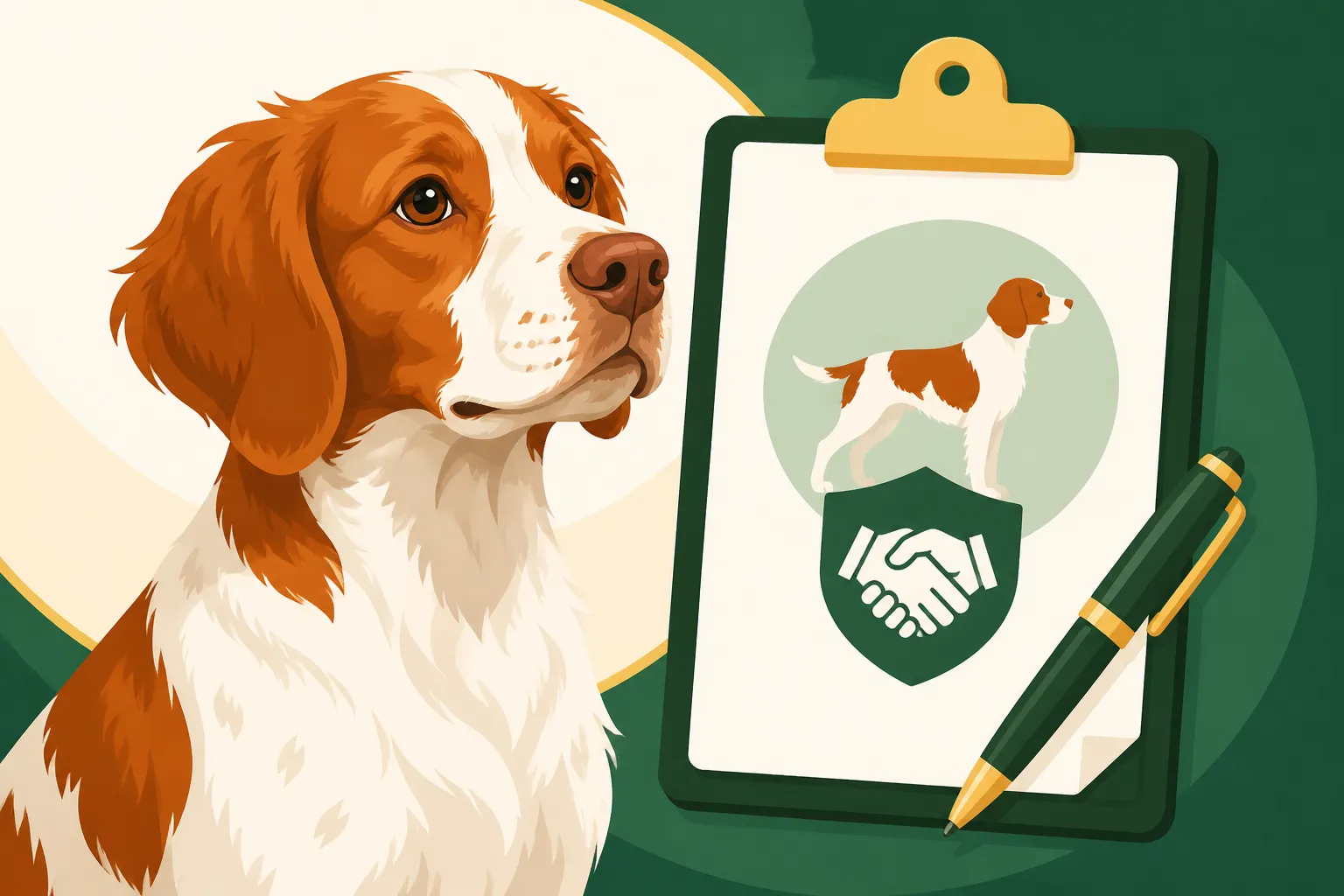
In essence, a well-crafted Brittany breeder contract is more than just paper and ink – it's a handshake in writing, a mutual agreement to do right by the animal. It embodies a shared understanding of the profound responsibility that comes with dog ownership. It’s a small piece of paper that carries the weight of a lifetime of love, commitment, and responsibility, ensuring that your energetic, affectionate Brittany has the best possible start and continues to thrive under the watchful eyes of both you and the dedicated breeder who brought them into the world.
Disclaimer
This article is for general informational purposes only and does not constitute professional advice. Laws, prices and regulations vary by location and change over time. Consult a qualified professional for guidance on your specific situation.