Whether a Working Brittany Wears Its Joints Out
It’s a concern that keeps many dedicated Brittany owners awake at night: is all that joyous, tireless running in the field eventually going to wear out my beloved dog’s joints? It’s a completely valid worry, especially when you see your Brittany launch over obstacles, make sharp turns, and cover miles of uneven terrain. You want them to live a long, comfortable life, and you also want them to fulfill their natural purpose. This guide dives deep into the realities of joint health for working Brittanys, exploring the risks, preventative measures, and how to help your athletic companion stay sound for as long as possible.
Understanding the Demands of a Working Brittany's Lifestyle
The Brittany is an athlete, pure and simple. They are bred for endurance, speed, and agility in the pursuit of game birds. This demanding lifestyle, while fulfilling their instincts, undeniably places significant stress on their musculoskeletal system.
The Physicality of Field Work
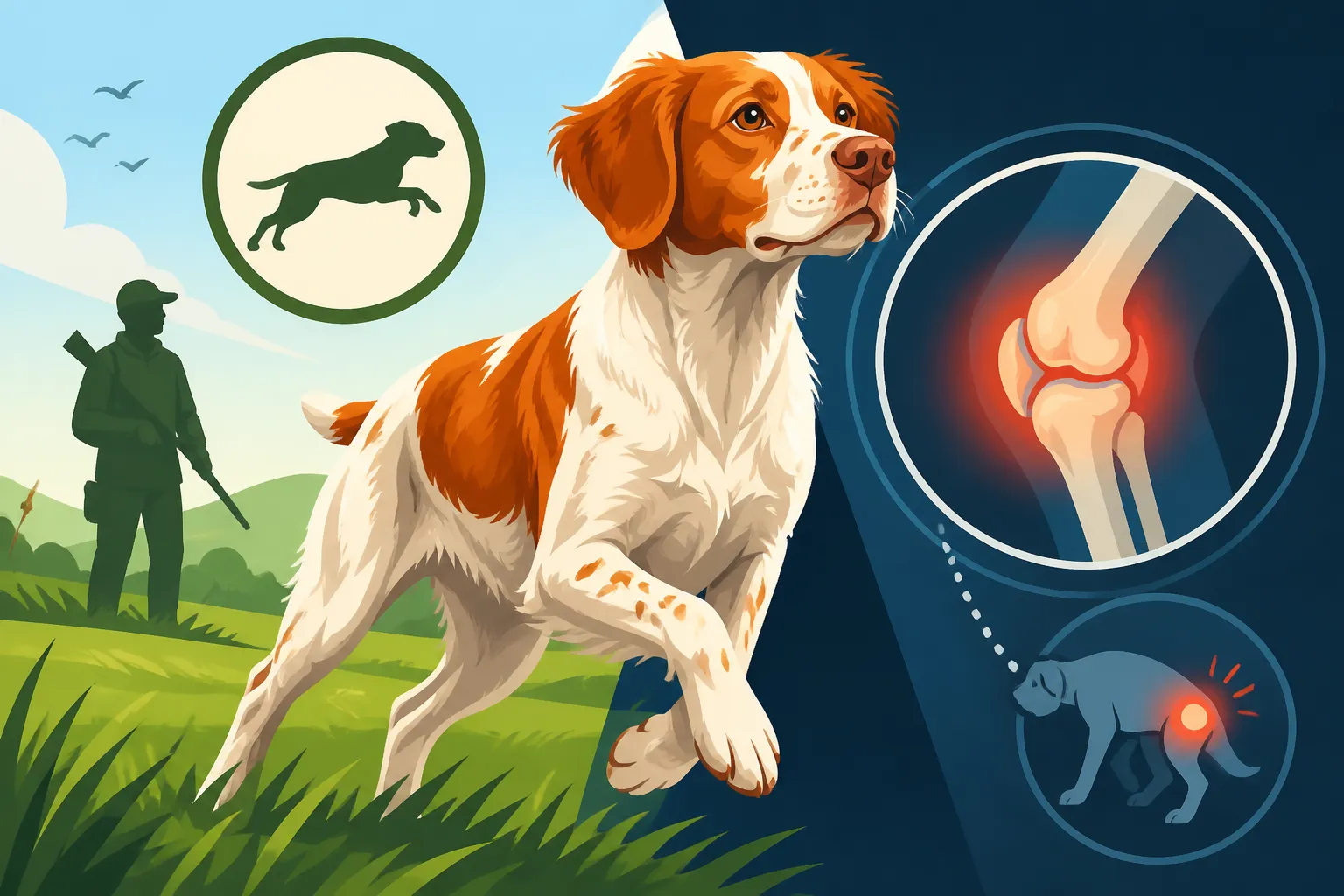
Think about a typical hunt. Your Brittany is likely bursting from the truck, covering ground at a full gallop, nose to the wind. They'll suddenly lock up on point, sometimes in an awkward position on uneven ground, holding that intense posture. Then, with the flush, they might spring, twist, and stop on a dime. All of this happens not just once, but repeatedly, hour after hour, over days and weeks during hunting season.
This constant high-impact activity involves immense pressure on their joints – hips, elbows, shoulders, stifles (knees), and even the small joints in their feet. They navigate dense cover, jump over fallen logs, scramble through ditches, and power through thick brush. Each of these movements, especially when done at speed and with enthusiasm, creates micro-traumas and cumulative wear and tear on cartilage, ligaments, and tendons. It's not just the big jumps, but the thousands of smaller impacts and twisting motions that add up over a lifetime.
Genetic Predispositions Versus Acquired Stress
It’s crucial to understand that joint issues aren't always solely a result of working hard. Genetics play a substantial role. Breeds like Brittanys, while generally robust, can be predisposed to certain orthopedic conditions. Hip dysplasia and elbow dysplasia are two of the most commonly discussed genetic joint conditions. If a Brittany has a genetic predisposition to these, the rigorous demands of field work can certainly exacerbate and accelerate their onset or severity.
Imagine a scenario: you have two Brittanys. One comes from generations of health-tested parents with excellent hip and elbow scores. The other, sadly, comes from lines where screening wasn't a priority. Both might have similar working drives and put in the same amount of effort in the field. The dog with the genetic predisposition, even if its condition is mild, is far more likely to experience earlier and more severe symptoms of joint wear from field work than its genetically sound counterpart. This is why understanding your dog's lineage and asking your breeder about health clearances is paramount. We've talked extensively about how common hip dysplasia is in Brittany Spaniels and Elbow Dysplasia in a Brittany previously, and these discussions highlight the importance of genetic screening. Field work doesn't cause hip or elbow dysplasia, but it places significant stress on already compromised joints, hastening the development of painful arthritis.
Common Joint Issues Affecting Active Brittanys
While Brittanys are renowned for their athleticism, their dedication in the field can leave them vulnerable to specific joint problems. Recognizing these early is key to managing them effectively and preserving your dog's comfort and working life.
Arthritis and Degenerative Joint Disease
Perhaps the most common long-term consequence of repetitive impact on joints is osteoarthritis, also known as degenerative joint disease. This condition develops when the cartilage cushioning the ends of bones within a joint gradually wears away. Without this smooth, shock-absorbing layer, bones begin to rub against each other, leading to pain, inflammation, and reduced mobility.
For a working Brittany, this process is often accelerated by the constant pounding, twisting, and abrupt stops characteristic of hunting. The small micro-injuries accumulate over years, leading to chronic inflammation and cartilage degeneration. You might notice your Brittany becoming a bit stiff after a long hunt, struggling to get up in the mornings, or showing less enthusiasm for jumping into the truck. These subtle signs are often the earliest indicators that arthritis is setting in. The age a Brittany gets arthritis can vary widely, but for working dogs, it's often earlier than for more sedentary companions, sometimes starting in their middle years rather than exclusively in old age. The good news is that early intervention can significantly slow the progression and manage the pain.
Cruciate Ligament Tears and Meniscal Injuries
These are acute injuries that can bring a working Brittany's season, or even career, to a sudden halt. The cranial cruciate ligament (CCL) in a dog's knee (stifle) is analogous to the ACL in humans. It helps stabilize the knee joint. A sudden, awkward twist, a misstep while running at full speed, or a hard landing from a jump can cause this ligament to tear, either partially or completely. You'll often see a sudden lameness, and the dog may hold the leg up.
Meniscal injuries often accompany CCL tears. The menisci are C-shaped cartilages within the knee that provide cushioning and stability. When the knee becomes unstable due to a torn CCL, the menisci can get pinched and damaged, adding to the pain and instability. These injuries usually require surgical intervention to restore stability to the joint, followed by a long rehabilitation period. This is a common and devastating injury for active dogs, and we've covered cruciate tears in a Brittany in depth, highlighting the challenges of recovery.
Pad and Foot Health Impacts on Joints
It might seem disconnected, but the health of your Brittany's paw pads and feet has a direct impact on their joint longevity. Imagine trying to run a marathon with blisters or a stone in your shoe – you'd compensate by altering your gait, putting unnatural stress on your knees, hips, and back. The same applies to your dog.
Working Brittanys are prone to pad abrasions, cuts, punctures from sharp stubble or thorns, and even cracks from dry, cold conditions. When a paw pad is injured or tender, the dog will instinctively shift its weight, walk awkwardly, or avoid putting full pressure on the affected foot. This compensatory gait throws their entire kinetic chain out of alignment. Over time, this abnormal stress can contribute to increased wear and tear on the joints higher up the leg, from the hocks to the stifles and hips. A minor pad injury, if left unaddressed, can become a precursor to more significant joint problems down the road. We've discussed why a Brittany cuts its pads on stubble and how to treat a Brittany's torn pad, emphasizing the need for immediate and thorough care.
Strategies for Protecting Your Working Brittany's Joints
The thought of your dynamic Brittany suffering from joint pain is heartbreaking. Fortunately, there's a lot you can do as an owner to mitigate the risks and support their joint health throughout their active lives. It’s about being proactive and consistent.
Conditioning and Warm-up Routines
You wouldn't expect a human athlete to compete without proper conditioning and warm-ups, and the same principle applies to your Brittany. Building and maintaining core strength and muscle mass is paramount. Strong muscles act as natural shock absorbers and stabilizers for the joints.
During the off-season, instead of letting your Brittany become a couch potato, engage them in regular, structured exercise that builds stamina and muscle without excessive pounding. Swimming is fantastic, as it’s low-impact and provides a full-body workout. Roading (running alongside a bike at a controlled pace on soft surfaces) is another excellent way to build endurance. As hunting season approaches, gradually increase the intensity and duration of their exercise. This conditioning period is crucial; we’ve written about how to condition a Brittany before opening day because it’s so important to prevent injuries.
Before every hunt, take 5-10 minutes for a gentle warm-up. This could be a slow walk, some easy trotting, and gentle stretches (like hind end tucks and figure-eights). This increases blood flow to muscles and joints, making them more pliable and less prone to injury. After a hunt, a cool-down period of walking and stretching helps prevent stiffness and aids recovery.
Nutrition and Supplementation
What you feed your Brittany directly impacts their joint health. A high-quality diet provides the essential building blocks for healthy tissues, including cartilage and bone. For working dogs, this often means a performance-oriented diet with adequate protein and fat to support their energy needs and muscle repair. We’ve explored what protein level suits a working Brittany, and it’s a good benchmark for selecting appropriate food.
Beyond a balanced diet, joint supplements can play a crucial supportive role. Ingredients like glucosamine, chondroitin, and MSM are often recommended to help maintain cartilage integrity and reduce inflammation. Omega-3 fatty acids, typically from fish oil, are powerful natural anti-inflammatories that can significantly benefit joint health. Always consult your veterinarian before starting any new supplements to ensure they are appropriate for your specific dog.
Maintaining a healthy weight is also non-negotiable. Every extra pound your Brittany carries puts additional stress on their joints, accelerating wear and tear. Keep them lean, especially as they age, to minimize this burden.
Regular Veterinary Care and Monitoring
Consistent veterinary oversight is your first line of defense against serious joint problems. Regular check-ups, ideally annual wellness exams, allow your vet to assess your Brittany's gait, palpate joints, and catch subtle signs of discomfort or stiffness that you might miss. Early detection means earlier intervention, which can significantly improve outcomes. We often discuss how often a Brittany needs a wellness exam, emphasizing that these visits are more than just vaccine appointments.
Don't hesitate to bring up any concerns, no matter how minor they seem – a slight limp after a long run, difficulty climbing stairs, or a change in their usual enthusiasm. Your vet can perform diagnostics like X-rays if needed and recommend appropriate treatments, from anti-inflammatory medications to physical therapy or even advanced diagnostics if necessary. Proactive health management is critical, and for larger, active breeds, joint health is a cornerstone of that plan.
Proactive Joint Support
Thinking ahead about potential health challenges, especially joint issues common in active dogs, is a smart move for any Brittany owner. This is where comprehensive pet insurance like Healthy Paws can truly offer peace of mind. While preventative measures go a long way, unexpected injuries or the accelerated onset of conditions like severe arthritis, cruciate tears, or even a sudden lameness from a field incident can lead to substantial veterinary bills. Having a plan in place with a reputable insurer means you can focus on getting your beloved Brittany the best possible care, without the added stress of crushing financial decisions.
Beyond insurance, consistently monitor your Brittany for any changes in gait, reluctance to jump, or signs of pain. A dog's stoicism can make it hard to tell if they are in discomfort, so observing subtle shifts in behavior or mobility is crucial. Adjust the intensity and duration of their activity based on their individual response. Some days, a shorter, less strenuous hunt might be all they can comfortably handle, and honoring that can save them from future pain.
Balancing Passion with Longevity: A Long-Term Perspective
The goal is always to maximize your Brittany's quality of life, allowing them to enjoy their natural instincts for as long as possible. This means understanding that their needs will evolve over time and being willing to adapt.
Adapting Training and Hunting as They Age
As your Brittany enters its senior years, typically around eight to ten years old, you'll likely start to notice changes. Their boundless energy might mellow, their speed might diminish, and they may not have the same stamina. This is completely normal. The aging process, even in the healthiest dogs, brings with it a natural decline in joint flexibility and muscle mass. We've talked about what changes in a Brittany after ten, and joint health is a significant part of that discussion.
It’s important to adjust your expectations and their workload. While an aging Brittany still wants to hunt, they might not be able to cover the same mileage or push through the same dense cover they once did. Shorten your hunting excursions, choose terrain that’s less demanding, and be more vigilant about signs of fatigue or discomfort. Consider focusing on shorter, more strategic hunts that allow them to use their incredible nose and pointing abilities without overtaxing their body. Remember, it's about quality over quantity now. Continuing to engage their mind and body, even at a reduced pace, is vital for their mental and physical well-being.
The Role of Rest and Recovery
Just like human athletes, Brittanys need adequate rest and recovery, especially after strenuous activity. This becomes even more critical for working dogs as they age or if they have pre-existing joint issues. Ensure your Brittany has a comfortable, supportive bed that cushions their joints. Orthopedic beds, often made with memory foam, can make a huge difference in their comfort, especially after a long day in the field.
Don’t underestimate the power of simply allowing them to relax and recuperate. Avoid back-to-back intense hunting days if possible, allowing at least a day or two of lighter activity for recovery. If you notice stiffness or lameness, a few days of complete rest might be necessary. This rest allows their body time to repair tissues, reduce inflammation, and rebuild energy stores.
When to Seek Specialist Help
Sometimes, despite your best efforts, your Brittany might develop a persistent limp, severe pain, or a chronic joint issue that doesn't respond to general care. This is when it's time to consider specialist help. A board-certified veterinary orthopedic surgeon or a rehabilitation specialist can offer advanced diagnostics and treatment options.
These specialists can provide more targeted therapies, such as therapeutic laser, acupuncture, hydrotherapy, or shockwave therapy, all of which can be incredibly beneficial for managing chronic pain and improving mobility. They might also suggest specific exercises for physical therapy to strengthen supporting muscles around an affected joint. In some cases, surgical options, like total hip replacement or joint fusion, might be considered if the quality of life is severely impacted. Don't be afraid to ask your primary vet for a referral if you feel your Brittany needs more specialized attention – advocating for your dog's comfort is part of being a responsible owner.
Here’s a quick overview of preventative care vs. potential treatment for joint issues:
| Category | Preventative Measures | Potential Treatments (if issues arise) | Cost Implication (General) |
|---|---|---|---|
| Diet & Supps | High-quality food, glucosamine, chondroitin, fish oil | Prescription diets, targeted supplements, weight management | Moderate (ongoing) |
| Exercise | Proper conditioning, warm-up/cool-down, appropriate rest | Modified exercise, physical therapy, hydrotherapy | Low (time commitment) |
| Vet Care | Annual wellness exams, early screening, weight checks | Anti-inflammatory meds, pain relief, diagnostics (X-rays, MRI) | Moderate (annual, plus tests) |
| Acute Injury | Avoiding risky terrain, protective gear (boots) | Surgery (e.g., CCL repair), specialized rehabilitation, bracing | High (single event, plus rehab) |
| Chronic Disease | Proactive joint support, monitoring | Long-term medication, injections (e.g., PRP), alternative therapies | High (ongoing, potentially lifelong) |
Pet insurance, like a policy from Healthy Paws, can be a lifesaver when those high-cost, unexpected treatments for joint issues become necessary.
Disclaimer
The information provided in this article is for general informational purposes only and is not a substitute for professional veterinary advice. Always consult with a qualified veterinarian regarding any medical concerns or before making any decisions about your Brittany's health and treatment.