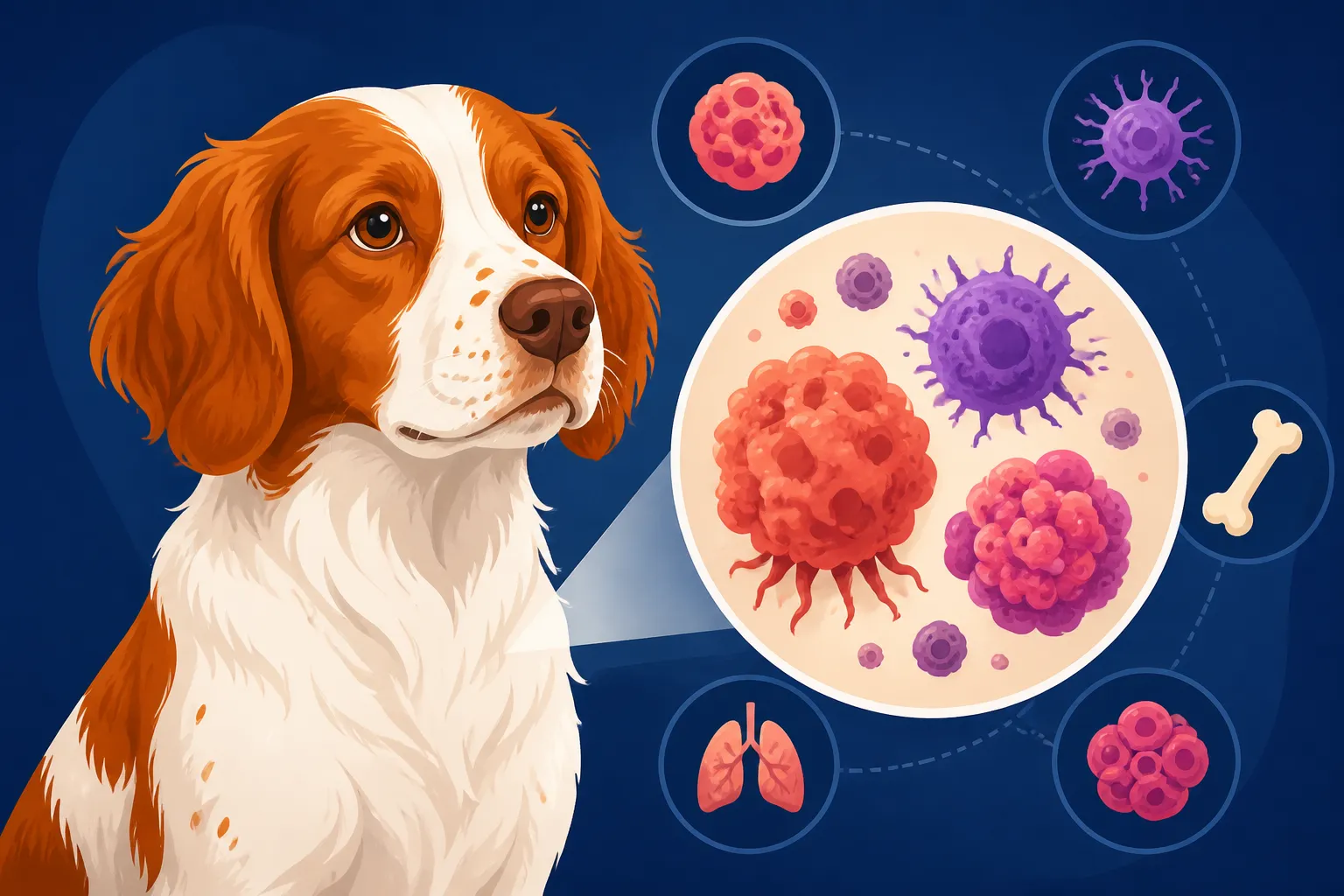
Which Cancers a Brittany Spaniel Gets
Finding out your beloved Brittany Spaniel might be facing a cancer diagnosis is one of the most terrifying moments a dog owner can experience. The sheer dread, the immediate questions about their future, and the desperate wish for a clear path forward can feel utterly overwhelming. This comprehensive guide is here to walk you through the types of cancers Brittanys are more susceptible to, what signs to look for, and how to approach diagnosis and treatment, offering a clear, empathetic overview to help you navigate this challenging journey.
Common Cancers Brittanys Encounter
Brittanys, like many purebred dogs, have certain predispositions, and unfortunately, that includes a heightened risk for specific types of cancer. While it’s true that any dog can get cancer, knowing what to watch for in your Brittany can make all the difference in early detection and a better prognosis. It’s not about fear-mongering, but about empowering you with knowledge.
Lymphoma and Its Presentation in Brittanys
Lymphoma is one of the more common cancers we see in Brittanys, and it’s particularly sneaky because it can manifest in several ways. This cancer originates in the lymphocytes, which are a type of white blood cell crucial to the immune system. Because lymphocytes are found throughout the body, lymphoma can appear almost anywhere.
Often, the first sign you might notice is enlarged lymph nodes. These are typically palpable under the jaw, in front of the shoulders, or behind the knees. When you run your hands over your dog, you might feel small, firm, non-painful lumps in these areas. However, lymphoma isn't always external. It can affect internal organs, such as the spleen, liver, or gastrointestinal tract, making it harder to spot initially. You might notice your Brittany becoming lethargic, losing weight, or having a decreased appetite. If the gastrointestinal tract is involved, vomiting or diarrhea could be present. It’s a very aggressive cancer, but thankfully, it often responds well to chemotherapy, especially if caught early. For more detailed information, you can explore whether a Brittany Gets Lymphoma.
Hemangiosarcoma: A Silent Threat
Hemangiosarcoma is another concerning cancer for Brittany owners, primarily because it's often a silent killer. This aggressive cancer originates in the cells that line blood vessels, meaning it can develop anywhere blood vessels are present. However, it's most commonly found in the spleen, heart, and liver.
The reason it's so insidious is that it often grows internally without outward symptoms until it's quite advanced. A tumor on the spleen, for example, can grow very large, causing internal bleeding that might only become apparent when your Brittany suddenly collapses, becomes extremely weak, or has pale gums due to significant blood loss. These episodes can sometimes be transient, with the dog appearing to recover, only to relapse as bleeding continues. Other subtle signs might include unexplained lethargy, abdominal distension, or a general malaise that you just can't pinpoint. Because of its nature, detection usually relies on routine veterinary exams, blood tests, or imaging like ultrasound, especially if there are any suspicious findings during a regular check-up.
Mast Cell Tumors: The Great Pretender
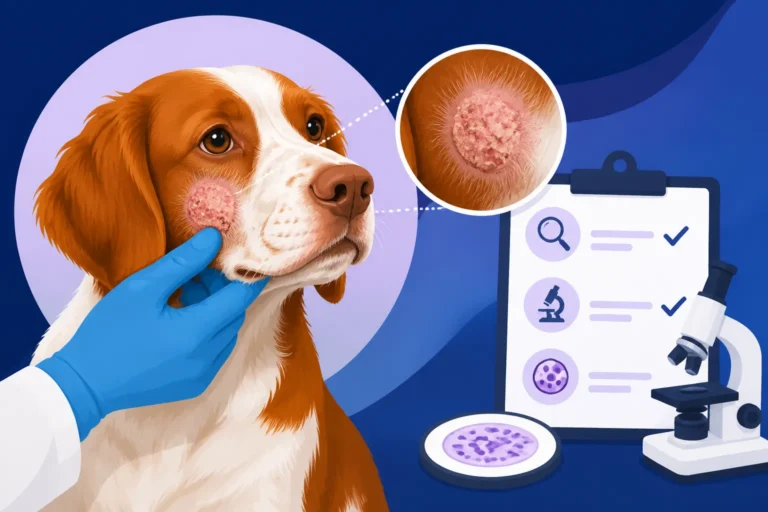
Mast cell tumors are notorious for their unpredictable behavior and how they can mimic many other conditions. These tumors arise from mast cells, which are part of the immune system and involved in allergic reactions and inflammation. They can occur anywhere on or under the skin, but also internally, affecting organs like the spleen, lymph nodes, and bone marrow.
On the skin, a mast cell tumor might look like anything from a benign fatty lump to an irritated lesion or even a wart. What makes them tricky is that their size and appearance can change rapidly, sometimes growing, sometimes shrinking, often appearing red and itchy due to the release of histamine. This "waxing and waning" characteristic can easily lead owners to believe it’s just an allergic reaction or a minor irritation. Because of this variability, any new lump, bump, or skin lesion on your Brittany should be thoroughly investigated by your veterinarian. Getting a definitive diagnosis through a fine needle aspirate (FNA) is crucial, as some mast cell tumors are benign, while others are highly malignant and can spread aggressively. You can learn more about these tricky growths by reading whether a Brittany Gets Mast Cell Tumors.
Osteosarcoma: Bone Cancer in Brittanys
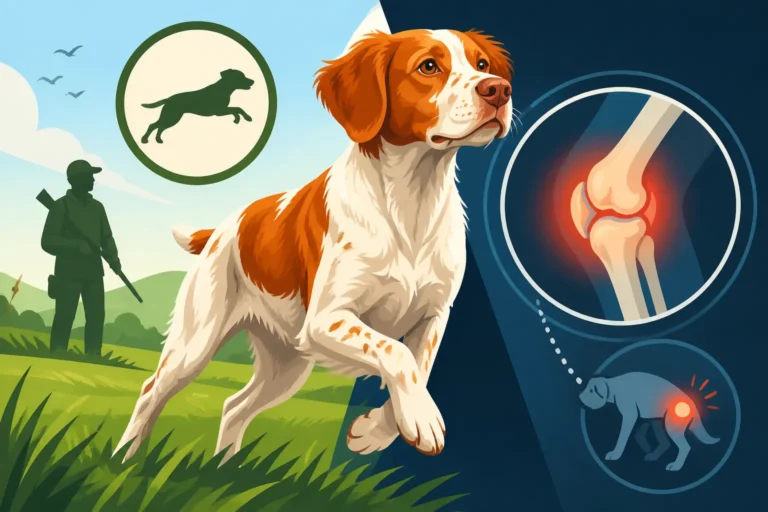
While less common than lymphoma or hemangiosarcoma, osteosarcoma, a aggressive bone cancer, does occur in Brittanys, particularly as they age. This is a primary bone tumor that typically affects the long bones of the limbs, such as those in the leg near the shoulder or knee.
The most common symptom of osteosarcoma is lameness or limping that doesn't seem to resolve, often worsening over time. Owners might initially attribute this to an injury from a vigorous run in the field or the onset of arthritis in an older dog. However, unlike typical arthritis, the pain from osteosarcoma tends to be severe and unremitting, often leading to swelling and tenderness around the affected bone. Your Brittany might avoid putting weight on the limb, and you might even notice a visible lump or enlargement of the bone. Diagnosis usually involves X-rays, followed by a biopsy to confirm the type of tumor. Sadly, osteosarcoma is highly metastatic, meaning it spreads quickly to other parts of the body, especially the lungs, making early diagnosis and aggressive treatment critical.
Mammary Tumors: A Concern for Unspayed Females
Mammary tumors are a significant concern for female Brittanys, especially those who are unspayed or spayed later in life. These tumors develop in the mammary glands, which run along the underside of a female dog's body, from the chest to the groin.
You might discover these tumors as small, firm lumps under the skin when you're petting your dog or during a routine groom. They can vary greatly in size, from tiny nodules to large, multilobulated masses. Not all mammary tumors are malignant; about 50% are benign. However, it's impossible to tell by appearance alone, so every lump should be evaluated by a veterinarian. Early spaying significantly reduces the risk of mammary tumor development, highlighting the importance of preventative care. While we often focus on the hunting aspects of our dogs, considering when a Brittany Should Be Neutered Late can have profound impacts on their long-term health, including cancer risk.
Understanding Cancer Risk Factors in Brittanys
Identifying cancer in your Brittany isn't just about spotting symptoms; it’s also about understanding the underlying factors that might increase their risk. Just like in humans, a combination of genetics, lifestyle, and environment can play a role. Being aware of these elements can help you make informed decisions for your dog’s health.
Age and Genetic Predisposition
As Brittanys get older, their risk of developing cancer, much like our own, naturally increases. Cells have had more time to accumulate damage and genetic mutations, which can lead to uncontrolled growth. It's a tough reality that dogs, especially as they enter their senior years, are more prone to these conditions. Many cancers common in Brittanys, such as lymphoma and hemangiosarcoma, tend to appear in middle-aged to older dogs. This is why paying close attention to your Brittany's health as they reach eight, ten, and beyond is so important, as highlighted in guides like caring for a Brittany past ten.
Beyond age, genetics play a critical role. While no specific "cancer gene" has been definitively isolated for Brittanys across all cancer types, selective breeding practices and the breed's genetic makeup can predispose them to certain diseases. Responsible breeders strive to screen for and avoid passing on hereditary conditions, but cancer is complex. If you know that cancer has been prevalent in your dog's lineage, it doesn't mean your dog will definitively get it, but it does mean you should be extra vigilant with regular vet check-ups and mindful monitoring for any unusual changes. Understanding how long a Brittany lives on average can help contextualize their risk profile as they age.
Environmental and Lifestyle Influences
Beyond genetics, the world our Brittanys live in can also contribute to cancer risk. Environmental factors are often harder to pinpoint individually, but they are certainly worth considering. Exposure to certain chemicals, such as pesticides, herbicides, or even some household cleaning products, has been implicated in increased cancer risk in dogs. Think about where your Brittany roams—are they sniffing around recently treated lawns or fields?
Lifestyle choices, especially diet and exercise, are also crucial. While there's no magic bullet diet to prevent cancer, providing a high-quality, balanced diet rich in antioxidants can support overall health and immune function. Maintaining a healthy weight is paramount, as obesity can contribute to chronic inflammation and metabolic changes that may increase cancer risk. Regular, appropriate exercise, a hallmark of the Brittany breed, keeps their body systems functioning optimally, helps manage weight, and reduces stress, all of which contribute to a robust immune system. It’s about creating the best possible environment and habits to support their natural defenses.
The Role of Spaying and Neutering
The decision to spay or neuter your Brittany, and at what age, is a complex one that has implications beyond just population control, extending into cancer risk. For female Brittanys, spaying, especially before their first heat cycle, dramatically reduces the risk of mammary tumors. With each subsequent heat cycle, the risk increases. If your Brittany is unspayed, regular checks of her mammary glands are essential.
For male Brittanys, neutering eliminates the risk of testicular cancer, though this cancer is generally less common and often treatable if caught early. However, some research suggests that neutering, particularly early neutering, might have a complex relationship with other cancers, such as osteosarcoma and hemangiosarcoma, with some studies indicating a slightly increased risk in certain breeds. This is why discussing the optimal timing for spaying or neutering with your veterinarian, considering your Brittany's individual health, lifestyle, and genetic background, is so important. There's a lot to weigh when considering whether a Brittany should be neutered late, and these decisions are never one-size-fits-all.
Early Detection and Diagnosis are Key
When it comes to cancer, early detection is truly the most powerful tool we have. Catching something suspicious when it's small and localized dramatically improves the chances of successful treatment and a longer, healthier life for your Brittany. But how do you know what to look for, and when should you seek veterinary attention?
Recognizing Subtle Signs and Symptoms
Brittanys are incredibly resilient and often masters at hiding pain or discomfort, especially when they're still keen to hunt or play. This can make recognizing subtle signs of illness, including cancer, particularly challenging. It’s up to us, their devoted companions, to be vigilant and truly know our dogs.
Look for changes in their normal behavior, no matter how small. Is your usually enthusiastic Brittany a bit slower on their morning walk, or less eager to chase a ball? Are they resting more than usual, or having trouble getting comfortable? Pay attention to any shifts in appetite or thirst; an unexplained increase or decrease could be a red flag. Weight loss, even if they're still eating well, is another significant symptom. Any new lumps or bumps, changes in skin or coat, persistent coughing, lameness that doesn't improve, or changes in bathroom habits (straining, increased frequency, blood in urine or stool) warrant immediate veterinary attention. Trust your gut instinct – if something feels "off" with your Brittany, it's always worth a call to the vet. Learning how to check a Brittany for lumps regularly is a great habit.
The Importance of Regular Veterinary Check-ups
Routine veterinary examinations are foundational to early cancer detection, especially as your Brittany ages. A skilled veterinarian can often spot subtle changes that might go unnoticed at home. These visits aren't just for vaccinations; they're comprehensive health assessments.
During a wellness exam, your vet will perform a thorough physical, feeling for enlarged lymph nodes, checking for abdominal masses, listening to the heart and lungs, and examining their mouth, eyes, and ears. They'll assess your Brittany's overall body condition and gait. For older Brittanys, annual or even semi-annual check-ups are highly recommended, as they can catch issues like subtle weight changes or internal lumps before they become symptomatic. These regular appointments also allow your vet to establish a baseline for your dog's health, making it easier to identify deviations. You can find out more about the scope of these visits by checking how often a Brittany Needs a Wellness Exam.
Diagnostic Tools: From Bloodwork to Biopsies
If your vet finds something concerning during an examination or if you report persistent symptoms, they will recommend diagnostic tests to investigate further. This usually starts with basic bloodwork and urinalysis.
A comprehensive blood panel, which includes a complete blood count (CBC) and a biochemistry profile, can reveal clues about organ function, inflammation, and even certain cancer markers. For instance, abnormal white blood cell counts might point towards lymphoma, while elevated liver enzymes could indicate an issue with that organ. You can dive deeper into what a Brittany's Yearly Bloodwork Should Cover. X-rays, ultrasounds, and even more advanced imaging like CT scans or MRIs can visualize internal organs and masses. An ultrasound of the abdomen, for example, is excellent for checking the spleen and liver for tumors. Ultimately, a definitive diagnosis of cancer often requires a biopsy, where a small tissue sample of the suspicious mass is collected and sent to a lab for pathological examination. This tells the veterinary pathologist exactly what kind of cells are present, confirming cancer and often determining its type and grade.
Here's a quick overview of some common cancers and what symptoms to watch for:
| Cancer Type | Common Locations | Key Symptoms |
|---|---|---|
| Lymphoma | Lymph nodes, spleen, liver, GI tract, bone marrow | Enlarged lymph nodes, lethargy, weight loss, decreased appetite, vomiting, diarrhea |
| Hemangiosarcoma | Spleen, heart, liver, skin | Sudden weakness/collapse, pale gums, abdominal distension, lethargy, uncharacteristic bleeding |
| Mast Cell Tumors | Skin, spleen, lymph nodes, bone marrow | Skin lumps (variable size/appearance), redness, itching, internal organ dysfunction |
| Osteosarcoma | Long bones of limbs (legs) | Persistent lameness, swelling or lump on bone, severe pain, reluctance to bear weight |
| Mammary Tumors | Mammary glands (under belly of females) | Lumps/masses in mammary tissue, can be single or multiple, variable size |
Treatment Options and Prognosis
Receiving a cancer diagnosis for your Brittany is heartbreaking, but it's important to remember that it's not always a death sentence. Veterinary medicine has made incredible strides in oncology, offering a range of treatment options that can extend lifespan, improve quality of life, and in some cases, even achieve remission.
Surgical Intervention and Adjuvant Therapies
For many localized cancers, surgery is often the first and most effective line of treatment. The goal of cancer surgery is to remove the tumor completely, along with a margin of healthy tissue, to ensure all cancerous cells are excised. This is particularly successful for solid tumors like mast cell tumors, mammary tumors, or certain osteosarcomas if caught early enough before significant spread.
Following surgery, your veterinary oncologist might recommend "adjuvant" therapies. This means additional treatments given to reduce the risk of the cancer returning or spreading. For instance, after a mast cell tumor is removed, chemotherapy or radiation therapy might be suggested to target any microscopic cancer cells that might have been left behind. The decision for adjuvant therapy depends on the type of cancer, its grade (how aggressive it is), and whether it has shown signs of spreading. The prognosis largely hinges on the tumor type, its stage at diagnosis, and the completeness of surgical removal.
Chemotherapy, Radiation, and Palliative Care
Beyond surgery, chemotherapy and radiation therapy are powerful tools in the oncologist's arsenal. Chemotherapy uses drugs to kill rapidly dividing cells, including cancer cells, throughout the body. Unlike human chemotherapy, which often aims for a cure at all costs, veterinary chemotherapy often focuses on achieving remission and maintaining a good quality of life with fewer severe side effects. It’s commonly used for systemic cancers like lymphoma, or as an adjuvant therapy after surgery for other aggressive cancers.
Radiation therapy uses high-energy beams to precisely target and destroy cancer cells in a specific area, often used for tumors that cannot be fully removed surgically or to alleviate pain from bone cancer. For Brittanys diagnosed with advanced or incurable cancers, palliative care becomes paramount. This approach focuses on managing pain, discomfort, and symptoms to ensure the dog's remaining time is as comfortable and happy as possible. This might involve pain medications, anti-inflammatory drugs, or nutritional support. It's about maintaining their quality of life, which is a crucial consideration for any Brittany owner. Navigating these options can be incredibly stressful, and pet insurance providers like Healthy Paws can be invaluable in helping manage the often-steep costs associated with advanced cancer treatments, allowing you to focus on your dog's care without added financial strain.
The Financial and Emotional Realities of Treatment
Let's be real: treating cancer in a beloved dog can be incredibly expensive and emotionally draining. The costs can quickly add up, from diagnostics like ultrasounds, X-rays, and biopsies, to surgery, weeks or months of chemotherapy, radiation, and follow-up care. A single course of chemotherapy can run into thousands of dollars, and complex surgeries even more. This financial burden is a huge stressor for many families, forcing difficult decisions about what they can afford. That's where pet insurance, particularly for serious illnesses, can be a lifesaver. Companies like Healthy Paws offer coverage for accidents and illnesses, which can include cancer treatments, significantly easing the financial pressure and allowing you to pursue the best possible care for your Brittany.
Beyond the money, the emotional toll is immense. Watching your vibrant, active Brittany go through treatments, deal with potential side effects, and facing the uncertainty of their prognosis is agonizing. It requires immense dedication, patience, and a strong support system. It’s okay to feel overwhelmed; remember that you’re doing your best for your furry family member, and focusing on their comfort and joy through the process is what truly matters. It's a journey filled with ups and downs, but the bond you share will only deepen. Ultimately, you'll need to weigh their quality of life against the potential benefits and burdens of treatment, sometimes leading to the heartbreaking decision of what a Brittany's Final Illness Costs.
Preventative Measures and Lifestyle Choices
While we can't completely prevent cancer in our Brittanys, there's a lot we can do to reduce their risk and support their overall health, giving them the best possible chance at a long, vibrant life. Think of it as stacking the odds in their favor.
Optimizing Diet and Nutrition
A high-quality, balanced diet is fundamental to your Brittany's health and can play a role in cancer prevention. Just like in humans, proper nutrition supports a robust immune system and cellular health. Avoid highly processed foods with artificial colors, flavors, and preservatives. Instead, look for diets rich in whole ingredients, lean proteins, healthy fats, and complex carbohydrates.
Consider incorporating foods rich in antioxidants, which can help combat cellular damage from free radicals. Some veterinarians recommend adding certain supplements like omega-3 fatty acids (fish oil) for their anti-inflammatory properties, or specific vitamins and minerals, but always consult your vet before adding anything new to your Brittany’s regimen. Maintaining an ideal body weight is also crucial, as obesity is linked to increased inflammation and a higher risk of various cancers. It's not just about feeding them enough, but feeding them well, especially if your Brittany is a high-energy hunter.
Regular Exercise and Weight Management
Brittanys are energetic dogs, bred for the field, and they thrive on activity. Regular, appropriate exercise isn't just good for their mental health; it's a critical component of physical well-being and cancer prevention. Keeping your Brittany fit helps maintain a healthy weight, strengthens their immune system, improves circulation, and reduces chronic inflammation.
However, "regular exercise" doesn't mean pushing them to extremes every day, especially during the off-season. It means consistent activity tailored to their age and fitness level. Daily walks, runs, fetch in the yard, or dedicated training sessions are essential. For working Brittanys, conditioning before hunting season is crucial to prevent injuries and maintain peak health. An aging Brittany might still want to hunt, but their exercise routine will need to be adjusted to prevent undue stress on their joints and body. A lean, well-muscled Brittany is a healthier Brittany.
Limiting Exposure to Environmental Toxins
We live in a world surrounded by chemicals, and unfortunately, our dogs are often more exposed due to their proximity to the ground and their tendency to sniff and lick everything. Taking steps to limit your Brittany's exposure to environmental toxins can contribute to reducing their cancer risk.
This might mean choosing natural or pet-safe alternatives for lawn care, such as avoiding pesticides and herbicides on your property. Be mindful of cleaning products you use in your home; many common household cleaners contain harsh chemicals that can be harmful. Consider using dog-specific shampoos and grooming products that are free from dyes and parabens. If your Brittany spends a lot of time outdoors in areas where chemicals are used, rinse their paws and coat after walks. Even exposure to secondhand smoke should be avoided. These small changes collectively contribute to a cleaner, safer environment for your beloved companion.
Living with a Brittany's Cancer Diagnosis
Receiving a cancer diagnosis for your Brittany is a profound moment that can shift your perspective and priorities. While it’s natural to feel despair, remember that a diagnosis is also a call to action, allowing you to focus on maximizing their quality of life.
Prioritizing Quality of Life
When facing a cancer diagnosis, especially if it’s an advanced or aggressive form, the primary focus often shifts from "cure" to "quality of life." This means making decisions that prioritize your Brittany's comfort, happiness, and ability to enjoy their favorite activities for as long as possible.
It involves carefully weighing the benefits of aggressive treatments against their potential side effects and the stress they might cause your dog. Would a treatment leave your energetic Brittany feeling too sick or weak to chase squirrels or enjoy a walk? Sometimes, less aggressive treatments or even palliative care that focuses purely on pain management and comfort are the kindest options. Regularly assess your Brittany's mood, appetite, energy levels, and pain. Are they still eager for meals? Do they still greet you with a wagging tail? Are they able to move comfortably? These observations are crucial for guiding your decisions with your veterinary team. What changes in a Brittany after ten can be subtle, but a cancer diagnosis can accelerate these shifts.
Building a Strong Support System
Navigating a cancer diagnosis alone can be incredibly isolating. It’s vital to build a strong support system around you and your Brittany. This network can include your veterinarian, a veterinary oncologist, family members, friends, and even online support groups for pet owners facing similar challenges.
Your veterinary team will be your primary resource for medical advice, treatment options, and managing symptoms. Don't hesitate to ask questions, no matter how small, and ensure you understand the prognosis and what to expect. Lean on family and friends for emotional support, help with daily care, or even just a listening ear. Connecting with other Brittany owners who have gone through similar experiences can also provide valuable insights and comfort. Remember, you don't have to be a superhero; it's okay to ask for help and allow others to support you through this difficult time.
Making Difficult End-of-Life Decisions
One of the hardest aspects of a cancer journey is eventually facing end-of-life decisions. This is an incredibly personal and heartbreaking process, but it's also the final act of love and kindness we can offer our pets.
Knowing when to say goodbye is agonizing, and there's no single "right" answer. Your veterinary team can guide you, helping you assess your Brittany's quality of life using objective measures, but ultimately, the decision will come from your heart. It often involves recognizing a decline in their overall well-being, an inability to manage pain effectively, or a complete loss of joy in their usual activities. Many owners find comfort in the "good days vs. bad days" assessment; when bad days consistently outnumber the good, it may be time. Planning for this difficult moment, whether it's at home or at the veterinary clinic, can help bring a sense of peace amidst the grief. Remember the joy and companionship your Brittany has brought into your life, and know that honoring their comfort is the most profound expression of your love. For those nearing this decision, considering the full scope of what a Brittany's final illness costs can, unfortunately, also be a factor.
Disclaimer
This article is intended for informational purposes only and does not constitute medical advice. Always consult with a qualified veterinarian for any health concerns or before making any decisions about your Brittany Spaniel's medical care.