Whether a Brittany’s Coat Is Flat or Wavy
It can be confusing, seeing different Brittanys out there. Some have sleek, almost flat coats that shine in the sun, while others sport a charming wave, especially across their backs and feathering. You might find yourself wondering which look is "correct" or if there's something you should be doing differently for your own dog. Rest assured, both flat and wavy coats are perfectly normal and cherished in our beloved breed. This guide will walk you through the nuances of Brittany coat textures, explaining what the breed standard truly means, what variations you might encounter, and how to best care for your Brittany's unique fur.
Understanding the Brittany Coat Standard
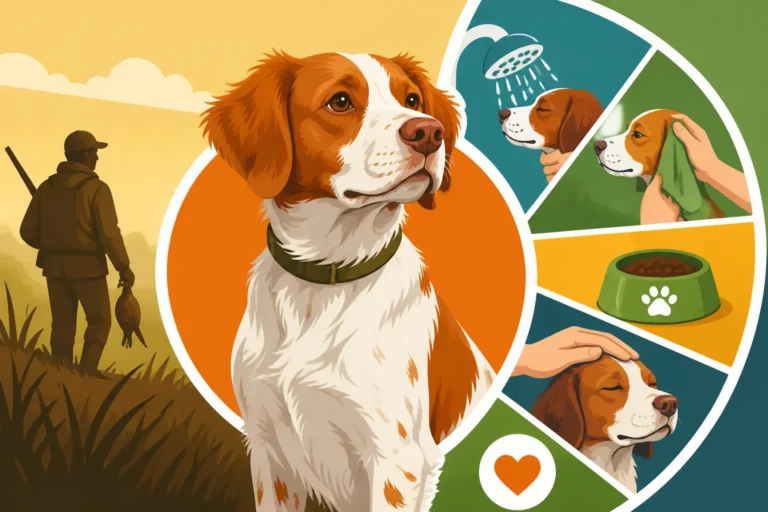
When you look at the official breed standard for the Brittany, it's easy to get caught up in specific phrases, but the true spirit of the description lies in its functionality. The Brittany is, first and foremost, a working gun dog, and its coat is designed to protect it through all sorts of weather and cover. This isn't a purely aesthetic choice; it's about keeping your dog comfortable and safe in the field.
The Ideal Texture: What the Standard Says
The breed standard typically describes the Brittany's coat as dense, flat or wavy, never curly. This wording is incredibly important because it explicitly states that both a flat coat and a wavy coat are acceptable and within the breed's ideal. Many new owners, especially those not deeply immersed in the nuances of dog shows or field trials, often fixate on one particular look. They might see a Brittany with a perfectly smooth, almost setter-like coat and assume that any wave is a fault, or vice-versa. This isn't the case at all.
What the standard seeks to avoid is an overly coarse, wiry, or distinctly curly coat. A truly curly coat, like that of a Poodle or a Curly-Coated Retriever, would trap far too much moisture, collect debris relentlessly, and make it difficult for the dog to regulate its temperature effectively during strenuous work. The Brittany's coat needs to shed water, protect against briars and harsh stubble, and still allow for efficient movement. So, whether your Brittany's coat lies mostly flat or has a gentle undulation, you're likely right within the bounds of what makes a good working coat.
Why Texture Matters: Function Over Form
The texture of your Brittany's coat isn't just about how pretty it looks; it's deeply tied to its job as a bird dog. Imagine your Brittany crashing through a thicket of thorny bushes, or plunging into icy water to retrieve a fallen bird. Its coat is the first line of defense. A dense undercoat provides insulation against cold and wet, while the outer coat acts as a shield. A Brittany's Coat Is Low Maintenance Until It Hits Cover, but that doesn't mean it isn't crucial for its performance and well-being.
A coat that is too sparse won't offer enough protection, leaving the dog vulnerable to scratches, scrapes, and environmental elements. Conversely, a coat that is too long, woolly, or excessively curly becomes a magnet for burrs, foxtails, and mud, leading to painful mats and potential skin issues. The ideal flat or wavy coat strikes a balance: it’s thick enough to protect, yet smooth enough to shed most debris and allow for quick drying. This functional aspect is why breeders prioritize these textures, understanding that a good coat supports a good hunter.
Common Coat Variations and What They Mean
While the breed standard accepts both flat and wavy coats, there's a spectrum within these descriptions, and it's helpful to understand what you might see and what it means for your dog. Each variation has its own set of characteristics, and often, its own grooming considerations. Knowing your dog's specific coat type can help you provide the best care.
The "Flat" Brittany Coat: Sleek and Smooth
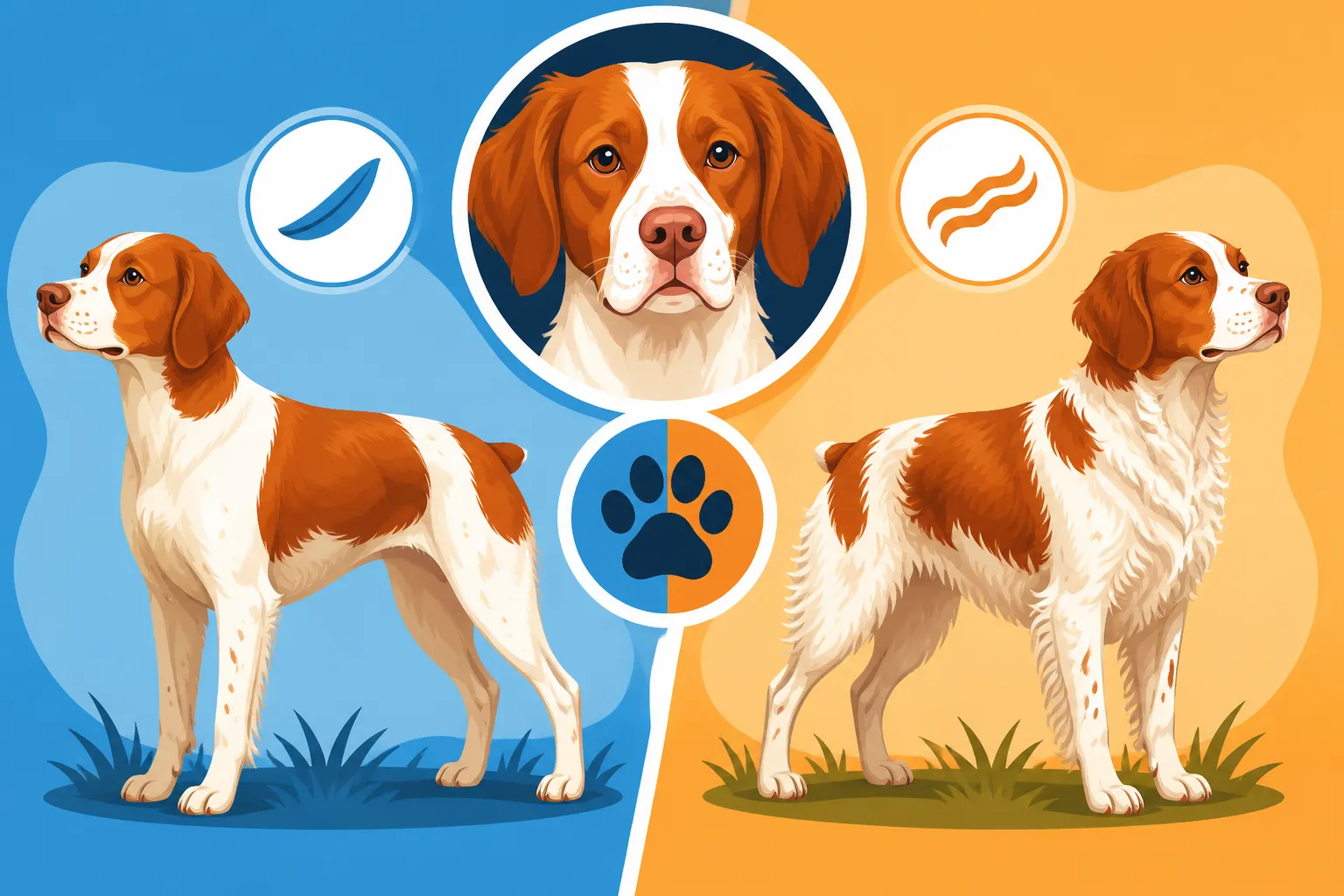
When we talk about a "flat" Brittany coat, we're generally referring to fur that lies close to the body, with very little or no discernible wave. On the body, this coat type can appear quite sleek, almost elegant. The feathering on the legs, belly, and ears might also be minimal or lie very smoothly. Some people describe this as a "finer" coat, and while it can certainly feel soft to the touch, it still retains the essential density required for protection.
Brittanys with flat coats often seem to shed debris more easily in the field. Burrs and twigs might not get tangled as deeply, making the post-hunt cleanup a bit simpler. However, this doesn't mean they are maintenance-free! Even flat-coated Brittanys still have feathering, and that feathering can definitely catch its share of hitchhikers from the cover. Regularly checking their entire coat, especially after an outing, is still paramount. You might find that brushing a flat coat is quick work, but don't let its apparent ease lull you into skipping those essential checks.
The "Wavy" Brittany Coat: A Touch of Curl
The wavy coat is perhaps the most common and recognizable texture among Brittanys, especially in American lines. This coat features distinct, gentle waves, often most prominent along the back, flanks, and especially within the feathering on the ears, legs, and tail. It can give the dog a slightly "fluffier" or more robust appearance compared to its flat-coated counterparts. This wavy texture is perfectly acceptable and often preferred by many hunters, as it still provides excellent protection without becoming problematic.
The key here is "wavy," not "curly." The waves should be soft and flowing, not tight ringlets or woolly spirals. A wavy coat might require a bit more attention when it comes to grooming, as the undulations can provide more places for burrs and mats to form. After a day in the field, you'll likely spend a little extra time with your brush, carefully working through the waves to ensure no tangles are developing. Don't worry, a wavy coat doesn't mean your dog is "off standard"; it's simply a common and beautiful expression of the Brittany's protective covering.
The Truly Curly Coat: When it's Not Standard
While flat and wavy are both perfectly within the breed standard, a truly curly or woolly coat is generally considered a fault. This type of coat goes beyond a gentle wave and into distinct, tight curls, often with a finer, cottony texture that lacks the robust feel of a proper Brittany coat. It's not a common occurrence, but it can sometimes pop up in certain lines. If your Brittany has a coat that looks more like a sheep's fleece than a bird dog's protective layer, it's likely a deviation from the ideal.
A truly curly or woolly coat poses several practical challenges for a working dog. Firstly, it tends to hold water like a sponge, making it difficult for the dog to dry quickly and increasing the risk of hypothermia in cold conditions. Secondly, it's an absolute magnet for burrs, seeds, and debris, which can embed deeply and quickly form painful, impenetrable mats. These mats not only pull on the skin but can also hide parasites or skin infections. While beautiful on other breeds, a curly coat on a Brittany compromises its ability to perform its job effectively and comfortably in the field. For these reasons, breeders carefully select against this trait to maintain the functional integrity of the Brittany coat.
| Coat Type | Description | Grooming Considerations | Field Performance |
|---|---|---|---|
| Flat | Lies close to the body, sleek, minimal wave. Feathering often less dense. | Generally easier to brush, sheds debris well. Still needs regular checks, especially feathering. | Excellent protection, sheds water and burrs efficiently. |
| Wavy | Gentle, flowing waves, often more prominent on back and feathering. | May require more frequent brushing to prevent mats, especially after heavy cover. Burrs can get tangled. | Excellent protection, good insulation. May pick up more debris than flat coats. |
| Curly/Woolly | Tight, distinct curls; finer, cotton-like texture. (Not standard) | Very prone to matting and collecting debris. Hard to keep clean, challenging to brush through. | Traps water and debris, poor insulation when wet. Not ideal for working conditions. |
Factors Influencing Your Brittany's Coat Texture
Your Brittany's coat texture isn't just a random occurrence; it's a fascinating interplay of genetics, development, and environmental factors. Understanding these influences can help you appreciate why your dog's coat looks and feels the way it does, and how you can support its health and appearance. It's a journey from puppy fluff to adult glory, with a few stops along the way.
Genetics and Lineage
The primary determinant of your Brittany's coat texture is its genetic makeup. Just like eye color or height, coat traits are inherited from its parents. If both parents have predominantly flat coats, there's a higher likelihood that their offspring will also have flat coats. Similarly, if both parents carry genes for wavy coats, or if one parent has a wavy coat and the other carries the gene recessively, you're more likely to see that lovely wave appear in the puppies. This is why a reputable breeder will be able to tell you about the coat types in their breeding lines.
Breeders who are dedicated to the integrity of the Brittany breed carefully consider these genetic factors. They understand that while a dog's coat is part of its overall appearance, its functional suitability is paramount. Avoiding lines that consistently produce excessively curly or sparse coats helps ensure that future generations of Brittanys retain the protective qualities essential for a successful gun dog. So, when you choose a puppy, its lineage offers a strong clue about the kind of coat it's likely to develop.
Age and Hormonal Changes
It's a common observation among Brittany owners: puppy coats are often much softer and fluffier than adult coats! Your Brittany's coat will undergo significant changes as it matures. A young puppy might have a somewhat indistinct coat texture, often feeling very soft and perhaps slightly wavy all over. As they grow into adolescence, usually between six months and two years, this "puppy coat" sheds out, and the adult guard hairs and undercoat begin to develop, revealing the true texture that will likely characterize them for life.
Hormonal changes, particularly those associated with spaying or neutering, can also influence coat texture and density. Some Brittanys might experience a noticeable change in their coat after being altered. You might find their coat becomes thicker, softer, or even develop a woollier texture that can be more prone to matting. While this isn't universally true for all dogs, it's a recognized phenomenon in many breeds, including Brittanys. It’s simply a biological response to changes in hormone levels and something to be aware of when considering post-operative grooming needs. Whether a Brittany's Coat Changes With Age is a real concern for many owners.
Nutrition and Health
While genetics lay the foundation, proper nutrition and overall health play a vital supporting role in maintaining a beautiful, healthy coat, regardless of whether it's flat or wavy. A dog's coat is a direct reflection of its internal health. A dull, dry, brittle, or excessively shedding coat can often be an early indicator of a nutritional deficiency or an underlying health issue. Just like our own hair and skin, a Brittany's coat needs the right building blocks.
High-quality dog food, rich in essential fatty acids (like Omega-3 and Omega-6), vitamins, and minerals, is crucial. These nutrients contribute to the health of the skin and hair follicles, promoting a strong, shiny coat. If your Brittany is very active, especially if it's running for hours in the field, its nutritional needs might be even higher. Many owners opt for performance-formulated foods. Brands like Ollie, known for its fresh, human-grade ingredients, or a quality performance kibble available on Chewy, can make a significant difference. Supplements, such as fish oil, can also boost coat health. Whether a Brittany Needs Fish Oil is a common question, and for many, the answer is yes, it can definitely improve coat luster and skin health.
Grooming for Different Brittany Coat Types
Caring for your Brittany's coat is more than just aesthetics; it's about comfort, hygiene, and preventing problems, especially if your dog spends time in the field. While the basic principles of grooming apply to all Brittanys, there are nuances based on whether your dog sports a flat or wavy coat. You want to make sure you're using the right tools and techniques to keep them happy and healthy.
Brushing and Maintenance for Flat Coats
Even with a naturally flat coat, regular brushing is still a critical part of your Brittany's care routine. A flat coat may seem low maintenance, but it still has an undercoat and feathering that can shed and tangle. The goal here is to remove loose hair, distribute natural oils, and check for any skin irritations or unwelcome hitchhikers. A good once-over a few times a week should suffice for a flat-coated Brittany that isn't actively hunting.
For daily brushing or light maintenance, a pin brush or a soft slicker brush works wonders. These help to get through the topcoat and reach the undercoat without pulling or causing discomfort. Pay particular attention to the feathering on their legs, belly, and ears, as these areas are still prone to tangles, even on a flat-coated dog. After every hunt, regardless of coat type, a thorough brush-down is non-negotiable. What to Check on a Brittany After Every Outing includes a detailed inspection of the coat, looking for burrs, ticks, or any cuts and scrapes that could be hidden by their dense fur. Regular maintenance prevents minor issues from becoming major headaches.
Taming the Wavy Coat: Preventing Mats and Burrs
Wavy coats, while beautiful, do tend to be a bit more demanding in terms of grooming, particularly if your Brittany is a dedicated field dog. The undulations in the fur create more opportunities for debris to snag and for mats to form, especially in the longer feathering. If left unchecked, these can quickly become tight, painful knots that are difficult and time-consuming to remove. This is where consistent, diligent grooming truly pays off.
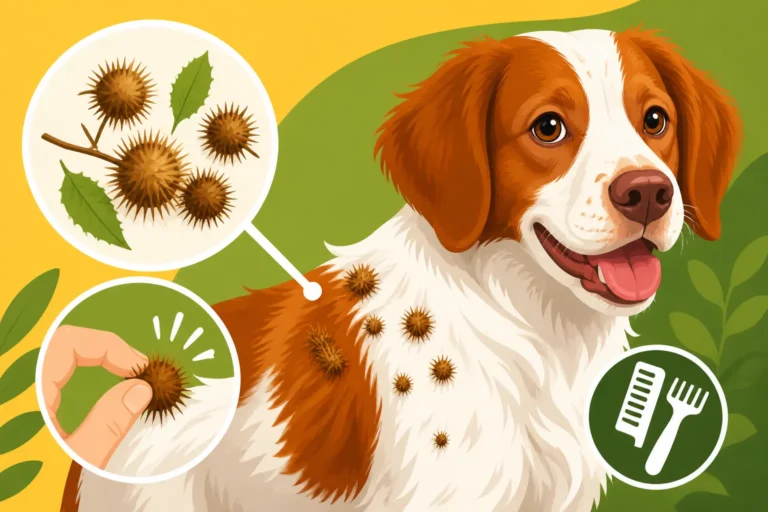
For wavy coats, you'll want to invest in a few key tools. A good quality slicker brush is essential for getting through the waves and preventing mats. A metal comb, especially a greyhound comb with both wide and fine teeth, is invaluable for checking behind the ears, under the armpits, and on the leg feathering where mats are most likely to start. When dealing with burrs, which wavy coats seem to attract like magnets, a comb can help gently tease them out. How to Get Burrs Out of a Brittany's Coat is a common challenge, and for particularly stubborn burrs, a little cornstarch or detangling spray can make a world of difference. Regular, thorough brushing, perhaps daily during hunting season, is your best defense against matting. You can find a fantastic selection of these grooming tools on Amazon, ensuring you have everything you need.
Products and Tools for Brittany Coats
No matter if your Brittany has a flat or wavy coat, having the right grooming arsenal makes all the difference. Beyond the basic brushes and combs, there are a few other items that can really elevate your grooming game and keep your Brittany's coat in top condition. Which Brush Suits a Brittany will depend on the coat's density and length.
Firstly, a good quality dog shampoo and conditioner are important. Look for products that are formulated for sensitive skin or that promote a healthy coat, especially if your dog spends a lot of time in the water or gets muddy often. Avoid harsh detergents that can strip natural oils. Secondly, consider a good quality undercoat rake if your Brittany has a dense undercoat, particularly during shedding season. This tool helps remove dead undercoat efficiently, reducing shedding around the house and preventing mats. Lastly, if your Brittany's feathering tends to grow very long or pick up a lot of debris, strategic trimming can be beneficial. While you don't want to shave down their protective coat, tidying up the feathering on the belly, hocks, and ears can make field clean-up much easier and reduce matting. Whether a Brittany's Feathering Should Be Trimmed is a practical question many owners face, and for working dogs, a slight trim can often be a blessing. You can find many excellent grooming products, from shampoos to various brush types, readily available through retailers like Chewy.
Disclaimer
This article is for general informational purposes only and does not constitute professional advice. Laws, prices and regulations vary by location and change over time. Consult a qualified professional for guidance on your specific situation.