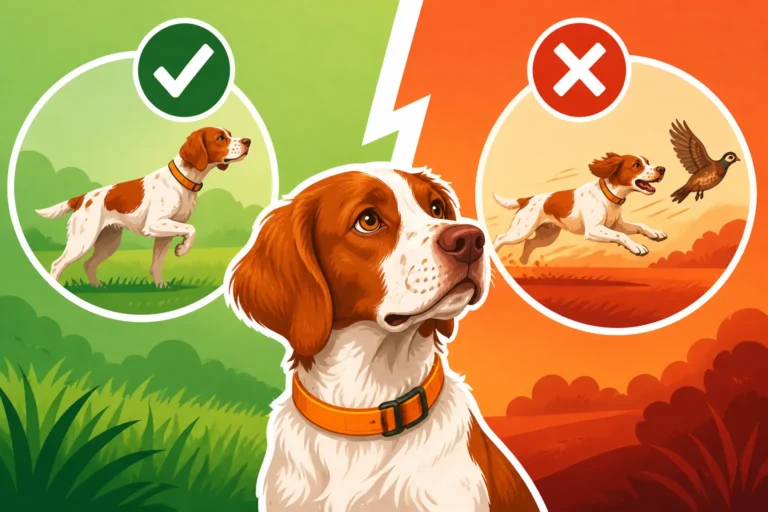
Whether a Brittany Puppy Should Be Socialized Heavily
It's a common dilemma for new Brittany owners, isn't it? You hear all the buzz about "socialization" and immediately start picturing your sweet, energetic puppy at every dog park, every loud festival, meeting every single person and dog in existence. But then a little voice creeps in, wondering if that's too much, or if you're doing it right. This guide will walk you through what effective socialization truly looks like for a Brittany puppy, helping you raise a confident, well-adjusted companion without overwhelming them.
Understanding the Brittany's Natural Temperament and Socialization Needs
Brittanys are wonderfully intelligent, sensitive, and eager-to-please dogs, but they're not all the same. While many are naturally outgoing, some can lean towards a more reserved or cautious nature. Understanding this inherent disposition is key to tailoring your socialization efforts. Your goal isn't to force your Brittany to be an extrovert if they're not, but rather to ensure they are comfortable, confident, and calm in a variety of situations and around different types of people and animals.
Think about what a Brittany is truly like; they're bred to be focused working dogs, keenly attuned to their handler and their environment. This means they can sometimes be more sensitive to new stimuli than, say, a boisterous Labrador. Their enthusiasm in the field is incredible, but that intensity can also manifest as overexcitement or anxiety if not properly managed during their formative weeks. The period between roughly 8 to 16 weeks is often called the "critical socialization window," but it's important to remember that socialization is an ongoing process, not a one-time event. During this critical window, every positive exposure lays groundwork for a well-adjusted adult. Every negative, overwhelming, or frightening experience can take a lot longer to overcome, or even leave lasting scars. You want to make sure your puppy learns the world is generally a good place, full of interesting but not scary things.
The Pitfalls of Inadequate Versus Excessive Socialization
It’s easy to think of socialization as an all-or-nothing game, but the reality is far more nuanced. On one hand, neglecting socialization can lead to serious behavioral issues down the line. A Brittany puppy that isn't exposed to various sights, sounds, people, and other dogs during their critical developmental period might grow up to be fearful, reactive, or aggressive. Imagine a Brittany who has spent its first few months mostly isolated at home. When they finally encounter a busy street, a child on a scooter, or another dog, their fear can manifest as barking, lunging, or trying to hide. This isn't just unpleasant for you; it's a terrifying experience for the dog. Without proper early exposure, you might find your Brittany is timid with strangers, making vet visits or even a simple walk through the park a stressful ordeal. This lack of confidence can affect everything from their willingness to learn new commands to their overall quality of life. You can read more about Signs a Brittany Puppy Is Shy to understand potential issues.
On the other hand, there's such a thing as too much or the wrong kind of socialization. Simply throwing your puppy into a dog park full of unknown dogs of all sizes and temperaments, especially before they're fully vaccinated, can be disastrous. A bad experience, such as being aggressively bowled over by a larger dog or nipped by an unruly one, can create lasting fear and anxiety. Similarly, overwhelming a sensitive Brittany with too many loud, chaotic environments too quickly can cause them to shut down or become fearful. You want quality over quantity. Instead of exposing your puppy to fifty dogs in one afternoon, aim for a few calm, positive interactions with stable, vaccinated adult dogs. It's about controlled, positive introductions that build confidence, not just checking boxes on a list.
Practical Steps for Effective Brittany Puppy Socialization
Effective socialization for a Brittany puppy is about thoughtful, controlled exposure, not overwhelming them. The goal is to build positive associations with new experiences, people, and other animals. Here are some actionable steps you can take:
Controlled Introductions to People and Other Dogs
Start early, but do it smartly. Once your veterinarian gives the green light, after their initial vaccinations, begin introducing your puppy to a variety of people. Think different ages, genders, hats, glasses, and even people using mobility aids. Ask friends and family to visit and interact calmly with your puppy. Make sure these interactions are positive: offer treats, gentle petting, and calm voices. For dog interactions, seek out known, vaccinated, calm adult dogs. These could be friends' dogs, or well-vetted puppies in a structured puppy class. These controlled interactions teach your Brittany appropriate dog-dog communication without the risk of an overwhelming or scary encounter. Puppy classes, like those offered through programs that provide online guidance or local in-person sessions (some people use resources like BAXTER & Bella to supplement in-person classes), are invaluable for this, as they provide a safe, supervised environment for puppies to interact and learn basic manners.
When you're out and about, be selective. If you notice your Brittany is shy or seems overwhelmed, don't force interaction. It’s okay to politely decline when someone asks to pet your puppy if your dog is already showing signs of stress. This protects your puppy and teaches them that you are their advocate. Remember, every encounter should ideally end on a positive note.
Exposure to Various Sights, Sounds, and Environments
Your Brittany needs to learn that the world isn't just your quiet home. Expose them to different surfaces (grass, gravel, carpet, tile), sounds (vacuum cleaners, doorbells, children playing, traffic, distant sirens), and sights (people on bikes, strollers, umbrellas opening). Take your puppy for short, positive car rides, even if it's just around the block, to help them get used to the movement and sounds. Use a comfortable crate or a safe car harness – you can find many good options on Amazon. The key here is gradual exposure and positive reinforcement. If your puppy seems startled by a new sound, don't coddle them, but rather act calmly yourself, perhaps offering a treat to create a positive association. For example, playing desensitization sound recordings at a low volume and gradually increasing it can be very effective.
Consider trips to places like pet-friendly hardware stores during off-peak hours, or simply sitting on a bench outside a busy cafe, allowing your puppy to observe the world from a safe distance. Don't rush these experiences. Let your puppy absorb what's happening and reward their calm behavior. Think about how a Brittany is bred for hunting; they need to be adaptable and resilient in various outdoor environments. Early exposure helps build that mental fortitude. A well-socialized Brittany will be far more confident riding in Whether a Brittany Rides Well in a Truck or settling in a new environment.
Handling and Desensitization to Touch
Brittanys need to be comfortable with being handled, especially since they'll require regular grooming and vet visits. From a young age, gently touch your puppy's paws, ears, tail, and mouth. Make these experiences positive by pairing them with treats and praise. Practice looking in their ears, touching their teeth, and gently holding their paws, mimicking what a vet or groomer might do. This isn't just about hygiene; it's about building trust and resilience. If your Brittany is overly sensitive to touch, it can make routine care a struggle for both of you. Getting them used to these sensations early will make their adult life much less stressful.
It's also important to get them used to having their space invaded a little – not in a scary way, but for things like cleaning their ears after a hunt or checking for burrs. This early handling will pay dividends throughout their The Twelve to Fourteen Years a Brittany Gets.
| Socialization Activity | What to Do | Why It Helps Your Brittany |
|---|---|---|
| People | Introduce to diverse individuals (ages, attire). | Prevents fear of strangers, ensures comfort during vet visits/guests. |
| Other Dogs | Supervised, calm interactions with stable dogs. | Teaches appropriate canine social cues, reduces reactivity. |
| Environments | Visit varied places (parks, stores, nature trails). | Builds confidence in different settings, reduces anxiety in new situations. |
| Sounds | Expose to everyday noises (traffic, vacuums, children). | Desensitizes to unexpected sounds, fostering a calmer demeanor. |
| Surfaces | Walk on grass, pavement, gravel, stairs. | Improves coordination, prevents fear of unfamiliar textures underfoot. |
| Handling | Gentle touch of ears, paws, mouth, tail. | Prepares for vet exams, grooming, makes home care easier and less stressful. |
Beyond Puppyhood: Continuing Socialization for a Well-Adjusted Brittany
Socialization isn't a "set it and forget it" task that ends when your puppy hits six months. It's a lifelong process that evolves as your Brittany grows. Just like humans, dogs can regress or develop new anxieties if their positive experiences aren't maintained. Continuing to expose your adult Brittany to new (but not overwhelming) situations, different people, and calm canine companions helps reinforce their confidence and adaptability.
As your Brittany matures, you might shift from intense puppy class environments to more structured activities. Consider enrolling in obedience classes, even if your dog knows the basics. These classes offer continued exposure to other dogs and people in a controlled learning environment. Exploring new hiking trails, visiting different dog-friendly parks (once you're confident in their recall and manners), or even simply taking them along for errands (where appropriate and safe) can be excellent ways to keep their world broad and their confidence high. This ongoing exposure will also contribute to What a Brittany's Temperament Is Really Like as an adult.
Remember, a well-socialized Brittany isn't necessarily one that loves every dog or person it meets. It's one that can calmly and appropriately navigate the world, whether that means confidently ignoring a distracting squirrel on a walk or relaxing quietly when new guests arrive. It's about resilience and positive coping mechanisms, built on a foundation of thoughtful, consistent socialization throughout their life. This careful approach to their early life and beyond will help your Brittany be the loving, confident, and reliable companion you always hoped for, whether they're settling indoors with the family or working diligently in the field.
Disclaimer
This article is for general informational purposes only and does not constitute professional advice. Laws, prices and regulations vary by location and change over time. Consult a qualified professional for guidance on your specific situation.