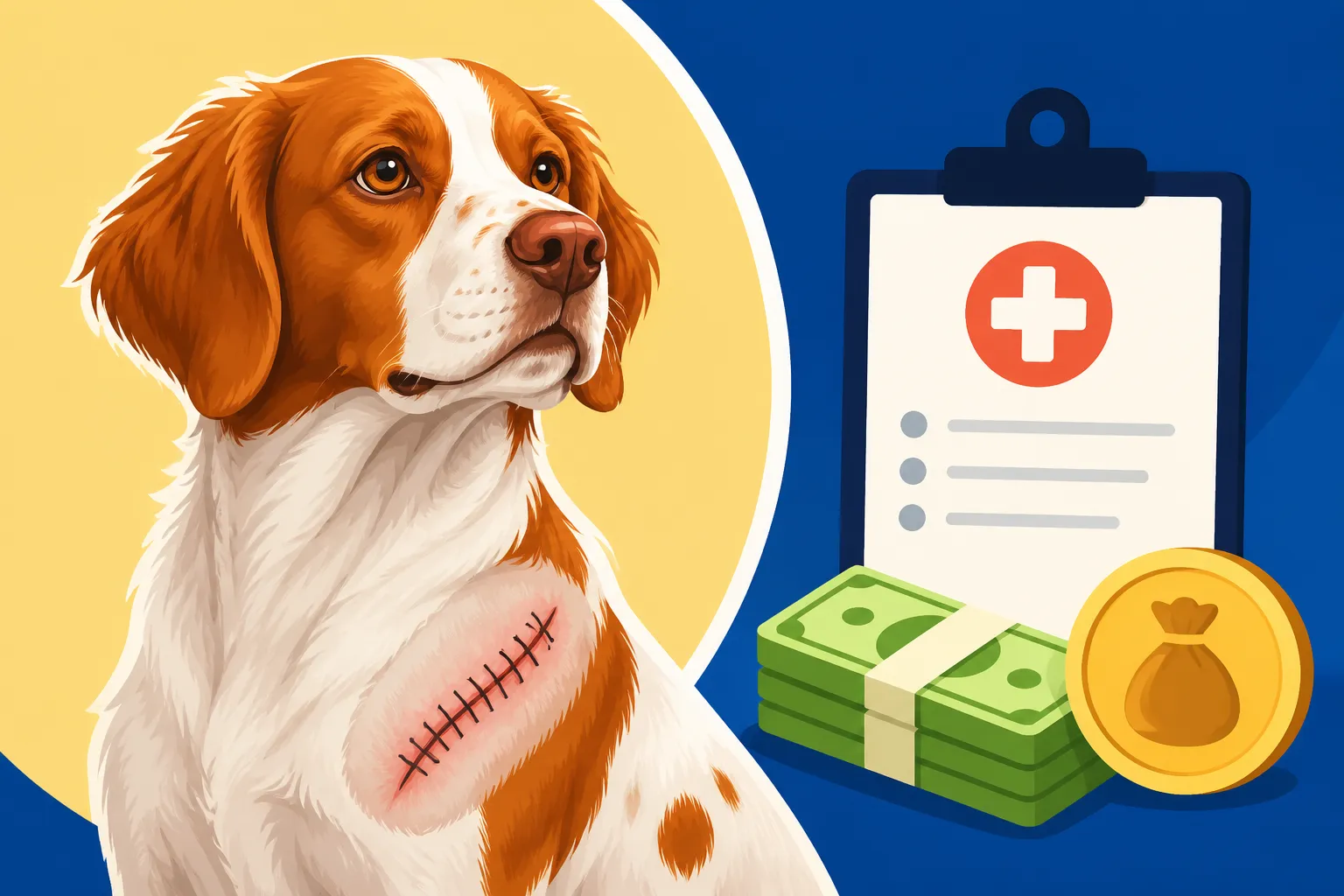
What Stitching a Brittany’s Field Cut Costs
It’s a scenario every Brittany owner who loves to get out in the field dreads: your dog is doing what they love, ranging wide, nose to the ground, bursting through thick cover, and then you notice it. A patch of ruffled fur, a tell-tale drip of red, and that awful moment of realizing your fearless hunting companion has a nasty cut. Field cuts are an unfortunate reality for active dogs like Brittanys, and while some might be superficial, others require immediate veterinary attention, often meaning stitches. This guide will walk you through what to expect when faced with a field cut, specifically detailing the potential costs involved in getting your Brittany stitched up and back on the path to recovery.
Understanding Brittany Field Cuts and Their Urgency
Brittanys are built for action. Their boundless energy and dense musculature make them exceptional bird dogs, but this very drive to plunge through brush and bramble also exposes them to various hazards. A field cut isn't just a minor scrape; it can be a significant injury that requires prompt care to prevent complications.
Common Types of Field Lacerations
When your Brittany is zipping through a field, they're not always looking where they're going, or rather, they're focused on the scent cone of a bird. This means they can run into or over all sorts of things that can cause cuts. We're talking about jagged pieces of wood, sharp rocks hidden beneath leaves, or even rusty sections of old fence lines that aren't visible until it's too late. Barbed wire fences are notorious culprits, capable of tearing skin deeply and cleanly, or creating a more ragged, complex wound.
Branches and thorns in dense cover can also snag and rip through their skin, particularly on their legs, chest, or flanks. Even something as seemingly innocuous as a sharp piece of stubble or an unseen piece of debris can cause a laceration. The unfortunate truth is that a Brittany's enthusiasm often outweighs their caution in the heat of the moment, making these kinds of injuries almost an inevitability for regularly hunted dogs. Understanding these common scenarios helps us appreciate why immediate assessment and care are so critical.
When a Cut Needs Immediate Veterinary Attention
Not every nick and scratch calls for an emergency vet visit, but discerning a minor abrasion from a serious laceration is paramount. If you see bright red blood spurting or flowing profusely, that's an immediate red flag indicating a deeper wound that might have hit a vein or artery. Cuts that gape open, exposing underlying muscle or fat tissue, definitely require stitches to close properly and prevent infection. You might also notice torn edges of skin that won't naturally align.
Location is another key indicator. A cut near a joint, like the elbow, knee, or hock, is always more concerning because movement can pull the wound apart, impede healing, and potentially involve deeper structures. Similarly, cuts on the face, especially near the eyes, or on the pads of their feet, need prompt attention due to their sensitive nature and high risk of infection or functional impairment. If your Brittany is limping, holding the limb up, or showing signs of intense pain beyond a yelp at the initial injury, it’s time to head to the vet without delay. Remember, these energetic dogs often try to hide pain, so any overt sign is significant.
The Importance of Timely Care
I've seen it countless times: a hunter tries to "tough it out" or believes a cut is minor, only to regret it later. Delaying veterinary attention for a significant field cut can turn a relatively straightforward stitching procedure into a much more complicated, expensive, and painful ordeal for your Brittany. The longer a deep or gaping wound remains open, the higher the risk of bacterial contamination from the environment. This can lead to serious infections that spread, requiring more aggressive treatment like stronger antibiotics, additional debridement (surgical removal of dead tissue), and potentially longer recovery times.
Furthermore, wounds that aren't closed within a certain timeframe (often within 6-8 hours, depending on the wound type and contamination) might not be suitable for primary closure with stitches. At that point, the vet might need to leave the wound open to heal by "second intention," which is a much slower process, carries a higher risk of scarring, and can lead to a less cosmetic outcome. Timely care also minimizes pain and discomfort for your dog, allowing them to start the healing process sooner and reducing the chances of them licking or chewing at the wound, which can exacerbate the problem. It’s truly an investment in their health and well-being. If you want to know more about preventing these incidents, consider reading The Injuries a Brittany Picks Up in the Field.
Factors Influencing the Cost of Stitching a Brittany's Cut
There's no single price tag for getting a Brittany's field cut stitched. The cost can fluctuate wildly based on several key factors, much like any medical procedure. It’s not just the act of sewing; it's everything that goes into making that sewing successful and safe.
Severity and Location of the Wound
This is perhaps the biggest determinant of cost. A small, clean cut on the flank, say an inch or two long, that's relatively superficial might only require a local anesthetic and a few simple sutures. This would be on the lower end of the cost spectrum. On the other hand, a deep, jagged laceration that extends through several layers of skin and muscle, perhaps on a highly mobile area like the stifle or shoulder, will be significantly more expensive. Such wounds might require extensive cleaning, debridement to remove contaminated or damaged tissue, and several layers of sutures.
Cuts in sensitive areas, like the eyelids, lips, or ear flaps, also complicate matters. These areas require meticulous care and sometimes specialized suturing techniques to ensure proper function and cosmetic appearance. A laceration on a paw pad, while seemingly small, can be challenging due to the constant pressure and movement, sometimes requiring special bandaging or even different suture materials. The more complex the wound, the more time, expertise, and materials the vet will need, all of which drive up the final bill.
Veterinary Clinic and Geographic Location
Just like human healthcare, veterinary costs can vary significantly based on where you live and the type of facility you visit. A small, rural veterinary clinic might have lower overheads and therefore charge less for a stitching procedure than a bustling, state-of-the-art animal hospital in a major metropolitan area. Emergency veterinary clinics, which are often your only option outside of regular business hours, typically have higher fees due to the immediate availability of staff, equipment, and specialists.
The cost of living and local competition among veterinary practices in a given area also play a role. For example, a clinic in the heart of a city like Denver might charge more than one in a smaller town in Kansas. It's always a good idea to know the emergency vet options in your hunting areas, not just your home town, to avoid surprises when an accident happens. These variations can easily account for hundreds of dollars in difference for the exact same procedure.
Additional Treatments Required
A field cut isn't just about stitching; it's about holistic wound management. Before any stitches can go in, the wound needs thorough cleaning to remove dirt, debris, and bacteria that could lead to infection. This might involve flushing the wound with antiseptic solutions and sometimes even clipping the surrounding fur. If the tissue around the wound is necrotic (dead) or heavily contaminated, the vet might need to perform debridement, which is the surgical removal of damaged tissue. This can prolong the procedure and require more anesthesia.
Many cuts, especially those requiring sedation or general anesthesia, will also necessitate pre-surgical blood work to ensure your Brittany is healthy enough for the procedure. Post-procedure, your dog will likely go home with antibiotics to prevent infection and pain medication to keep them comfortable. An Elizabethan collar (the dreaded "cone of shame") is almost always a requirement to prevent them from licking or chewing at the stitches. All of these essential elements, from diagnostics to medications, add to the overall cost, sometimes significantly.
Breaking Down the Costs: What to Expect on Your Vet Bill
When you receive a vet bill for a stitched laceration, it's rarely a single line item. Instead, it's a comprehensive breakdown of all the services, materials, and medications involved in getting your Brittany back on their feet. Understanding these components can help you prepare for the financial aspect of such an emergency.
Initial Examination and Diagnostics
The first step, even before the vet considers stitches, is a thorough examination. This initial consultation fee covers the vet's time to assess the wound, check your Brittany's overall condition, and determine the best course of action. This fee can range quite a bit, from a basic office visit charge to a higher emergency exam fee if you're going to an after-hours clinic.
During this initial phase, the vet might also recommend diagnostic tests. For instance, if the cut is very deep, near a bone, or if there's any suspicion of foreign material embedded in the wound (like a piece of stick or metal), X-rays might be necessary. This helps rule out bone damage or locate hidden debris that could impede healing. In some cases, especially if your Brittany is going under general anesthesia, pre-anesthetic blood work will be performed to check organ function and ensure they can safely metabolize the anesthetic drugs. Each of these diagnostic steps adds to the total cost, but they are crucial for a successful outcome.
The Stitching Procedure Itself
This is the core of what you're paying for. The cost of the stitching procedure encompasses several critical elements. First, there's the sedation or anesthesia. Most Brittanys, even the most compliant, will need at least heavy sedation, if not full general anesthesia, to safely and effectively clean and stitch a wound. This covers the anesthetic agents, monitoring equipment, and the time of the veterinary staff dedicated to ensuring your dog's safety during the procedure.
Then comes the wound preparation. This involves carefully clipping the fur around the injury, thoroughly cleaning and irrigating the wound to remove contaminants, and sometimes debridement if there's damaged tissue. The actual suturing involves the vet's skill and time, along with the cost of suture materials (which vary based on type and size). For complex wounds, multiple layers of sutures might be needed – deep internal sutures to close muscle layers, and then external sutures or staples to close the skin. A small, straightforward laceration might take 15-30 minutes, while a large, complicated wound could take an hour or more, all contributing to the cost.
Post-Procedure Care and Medications
Your Brittany's care doesn't end when the last stitch is placed. Post-procedure care is vital for healing and preventing complications. You'll typically leave the clinic with several prescriptions. Pain medication, often an anti-inflammatory, is almost always prescribed to keep your dog comfortable during recovery. Antibiotics are commonly given to prevent or treat bacterial infections, especially with field cuts that are inherently exposed to dirt and debris.
An Elizabethan collar is a non-negotiable item, as Brittanys are notoriously diligent lickers, and chewing at stitches can undo all the vet's hard work. This might be provided by the vet or you might purchase one yourself (perhaps from a reputable online retailer like Chewy). Bandages might be applied, especially for cuts on limbs, and these often need to be changed regularly, either at home or during follow-up vet visits. The cost of these medications, supplies, and any recheck appointments for suture removal or bandage changes will be added to your bill. Thinking ahead about these items, perhaps getting an Elizabethan collar beforehand from Chewy, can help you save a little.
Potential Complications and Their Costs
While veterinarians strive for perfect outcomes, complications can sometimes arise, and these will inevitably add to your expenses. The most common complication is infection, despite diligent cleaning and antibiotics. If the wound becomes infected, your Brittany might need a different course of antibiotics, more frequent wound cleanings, or even another minor surgical procedure to address the infection.
Another potential issue is wound dehiscence, where the stitches come apart, often due to excessive activity, licking, or tension on the wound. If this happens, your Brittany might require another trip to the vet for re-suturing, which means incurring anesthesia and procedure costs all over again. In rare cases, a deep cut might lead to a seroma (fluid pocket) or an abscess, requiring drainage or further treatment. These unforeseen complications underscore why good post-operative care and following your vet's instructions are so crucial.
Here’s a table that provides a generalized idea of cost components for stitching a Brittany's field cut:
| Cost Component | Description | Estimated Cost Range (Varies Widely) |
|---|---|---|
| Initial Exam/Consultation | Vet's time for assessment, general health check. Higher for emergency/after-hours. | $75 – $250+ |
| Diagnostics (e.g., X-rays) | To check for foreign bodies or bone involvement. | $150 – $400+ |
| Pre-Anesthetic Bloodwork | Essential for ensuring safe anesthesia, especially for deeper cuts. | $100 – $250+ |
| Sedation/Anesthesia | Drugs, monitoring, and staff time during the procedure. Varies by duration and complexity. | $200 – $800+ |
| Wound Preparation/Debridement | Clipping, cleaning, irrigation, removal of dead tissue. | $100 – $400+ |
| Suturing Procedure | Vet's surgical time, suture materials. Varies by wound size, depth, and location. | $250 – $1,000+ |
| Medications (Pain/Antibiotics) | Take-home prescriptions for pain management and infection prevention. | $50 – $150+ |
| Elizabethan Collar | To prevent licking/chewing at stitches. | $20 – $50 |
| Follow-up Visits | Rechecks, bandage changes, suture removal. | $50 – $150 per visit |
| Total Estimated Range | Note: This range is broad and depends heavily on factors discussed above. | $850 – $3,000+ |
Managing and Mitigating Veterinary Expenses
While the costs can seem daunting, there are strategies you can employ to both manage the immediate financial burden and potentially reduce future expenses related to field injuries. Planning ahead is always your best bet.
The Role of Pet Insurance
Pet insurance can be an absolute lifesaver when unexpected accidents like a deep field cut occur. Many plans, like those offered by Healthy Paws, are designed to cover accidents and illnesses, which would include lacerations requiring sutures. Having insurance means that after your deductible is met, a significant percentage (often 70-90%) of your vet bill will be reimbursed. This can turn a potentially crippling $1,500 bill into a much more manageable out-of-pocket expense.
It's important to understand the specifics of your policy, including deductibles, reimbursement percentages, and any waiting periods. While pet insurance won't cover pre-existing conditions, it will cover new accidents and illnesses that happen after your policy goes into effect. For active hunting dogs like Brittanys, who are inherently at higher risk for injuries in the field, pet insurance can offer immense peace of mind. Investing in a good policy early can save you a fortune over your dog's lifetime. Find out Whether Insurance Covers a Brittany's Hunting Injuries for more information.
Prevention is Key
An ounce of prevention is worth a pound of cure, and nowhere is this truer than with field injuries. Before you even let your Brittany loose, scout the area for potential hazards. Look for old barbed wire, broken glass, sharp rocks, or rusted metal pieces that might be hidden by vegetation. If you’re hunting on new land, take extra time to walk through the cover yourself.
Proper conditioning of your Brittany year-round can also help. A fit, agile dog is less likely to stumble or get caught in unexpected ways. Regularly checking your dog’s paws and body for any minor cuts or abrasions after every outing can help you catch small issues before they become major problems. What to Do With a Brittany After Every Hunt provides detailed steps for post-hunt checks. You might also consider protective gear for your Brittany. While not always practical for every hunt, a protective vest can shield their chest and belly from thorns and sharp branches in dense cover. Toughening their pads with paw wax or conditioning walks on varied terrain can also make their feet more resilient.
First Aid Preparedness
While not a substitute for professional veterinary care, having a well-stocked first aid kit specifically for your dog can make a huge difference in the initial management of a field cut. Being able to clean a wound, apply pressure to stop bleeding, and temporarily bandage it can stabilize your dog until you can get to a vet. This won't eliminate the need for stitches, but it can prevent further contamination and excessive blood loss, potentially reducing the complexity and cost of the veterinary procedure.
Your kit should include antiseptic wipes or solution (like Vetericyn or dilute betadine), sterile gauze pads, self-adhering wrap, medical tape, blunt-tipped scissors for cutting fur around the wound, a clean towel, and saline solution for flushing. Knowing how to safely and effectively use these items is also crucial. Taking a basic pet first aid course or familiarizing yourself with wound care techniques for dogs can empower you to act quickly and appropriately in an emergency. Being able to respond effectively in those first few minutes can directly impact the outcome and the overall cost of treatment. You can find many of these items on platforms like Chewy to ensure you're prepared. Also, consider the nutritional aspect of recovery. High-quality food, perhaps from a brand like Ollie, can aid in your Brittany's healing process.
Disclaimer
This article is for general informational purposes only and does not constitute professional advice. Laws, prices and regulations vary by location and change over time. Consult a qualified professional for guidance on your specific situation.