Whether a Brittany Puppy Comes With Its Certificates
Bringing home a Brittany puppy is incredibly exciting, but the paperwork side of things can often feel like a confusing maze. Many prospective owners feel a knot of anxiety wondering what documents they should receive versus what they will actually get, especially when it comes to health clearances. This guide aims to demystify what "certificates" mean in the context of a Brittany puppy, what a reputable breeder provides, and why these documents are so vital for your peace of mind and your new companion's long, healthy life.
What Health Certificates and Documentation to Expect for Your Brittany Puppy's Parents
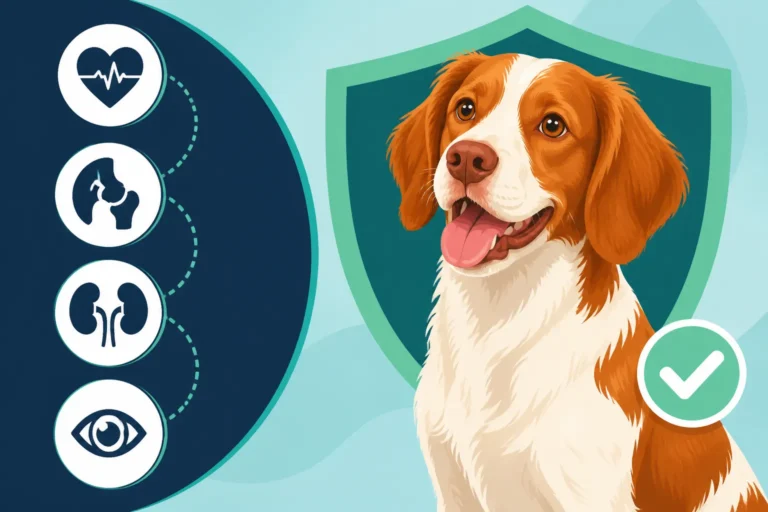
When you're looking for a Brittany puppy, it's crucial to understand that the "certificates" you're often inquiring about primarily pertain to the health clearances of the parents, not the puppy itself. Puppies are too young to undergo many of the critical health screenings that ensure sound genetics. A responsible breeder will have invested significant time and resources into ensuring their breeding stock is healthy, and they should be transparent about these results. These aren't just fancy pieces of paper; they're vital indicators of your puppy's potential for a healthy future.
Parental Hip and Elbow Clearances
One of the most talked-about health clearances for Brittanys, and many active breeds, concerns hip and elbow dysplasia. These are painful, debilitating conditions where the joints don't form correctly. Since the Brittany is an active, athletic dog often used for hunting, sound joints are paramount. Reputable breeders will have both the sire (father) and dam (mother) of your puppy screened by organizations like the Orthopedic Foundation for Animals (OFA) or through PennHIP evaluations. You won't get an OFA certificate for your puppy at eight weeks old, but you should see the certificates for its parents.
A breeder should provide you with copies of these certificates or, at the very least, the registration numbers so you can look up the results yourself on the OFA public database. It's a huge red flag if a breeder claims their dogs are "vet checked" or "healthy" without being able to produce these specific, verifiable documents. These clearances are typically performed once the dog reaches two years of age, ensuring the joints are fully mature. Understanding What a Brittany Spaniel Breeder Should Have Tested includes knowing to ask for these specific hip and elbow reports.
Eye Certifications
Another important area for any breed is eye health. Certain eye conditions can be inherited, and while not all are immediately apparent, they can lead to significant problems, including blindness, later in life. Responsible Brittany breeders will have their breeding dogs examined by a board-certified veterinary ophthalmologist. These examinations, often referred to as CERF (Canine Eye Registration Foundation, though now typically handled by OFA Eye Certifications), are usually done annually.
Again, you won't receive an eye certificate for your eight-week-old puppy from these organizations, but you should expect proof that both parents have current, clear eye certifications. This demonstrates the breeder's commitment to preventing inherited eye diseases. Imagine the heartbreak and expense of a dog going blind from a preventable genetic condition; these certifications are one step in avoiding that. If a breeder brushes off eye certifications, it might suggest they're cutting corners.
Genetic Disease Tests
Beyond hips, elbows, and eyes, specific genetic conditions can affect Brittanys. For instance, C3 Deficiency is a genetic immune system disorder unique to the breed. A dog with C3 Deficiency has a compromised immune system and can struggle to fight off common infections. Knowing What C3 Deficiency Does to a Brittany can underscore why testing is so important. Similarly, hypothyroidism can affect Brittanys, though it's not always genetically screened for as commonly as other issues.
A reputable breeder should be able to show you documentation of genetic testing for conditions relevant to the Brittany breed. For C3 Deficiency, there is a specific DNA test available. If both parents are tested clear, then the puppy will not have the condition. If one or both are carriers, the breeder should be transparent about the risks and how they manage their breeding program to avoid producing affected puppies. Don't be shy about asking for specific DNA test results for these breed-specific concerns, as they are a clear sign of a breeder who prioritizes health.
The Reality of Puppy Paperwork: What You'll Actually Receive at Pickup
So, if the main "certificates" are for the parents, what does your Brittany puppy come with when you bring them home? The actual documents you receive directly for your puppy will vary slightly but generally include health records, registration papers, and a detailed contract. A good breeder provides a comprehensive packet, not just a casual handover. This paperwork is just as important as the puppy itself, as it sets the stage for their life with you.
Puppy Health Records and Vaccination History
When you pick up your Brittany puppy, you should absolutely receive a detailed record of their veterinary care. This typically includes:
- Vaccination History: A log of the vaccinations your puppy has received, including the dates and the type of vaccine. This is crucial for your vet to continue the series correctly.
- Deworming Schedule: Details on when the puppy was dewormed and with what medication. Puppies are prone to worms, and regular treatment is standard.
- Microchip Information: If the puppy has been microchipped (and many responsible breeders do this before sending them home), you'll get the microchip number and instructions on how to register it in your name.
- Vet Check Summary: Documentation from the breeder's vet stating the puppy was examined and found to be in good health before leaving for its new home. This is often an essential part of the health guarantee.
This health packet is invaluable for your first vet visit, helping your veterinarian understand the puppy's medical background immediately. It also helps you schedule future preventative care and ensures you don't accidentally over-vaccinate or miss a critical booster.
AKC or UKC Registration Papers and Limited Registration
Most purebred Brittany puppies in the United States come with papers that allow you to register them with the American Kennel Club (AKC) or the United Kennel Club (UKC). This is your puppy's official pedigree and lineage documentation. You'll typically receive either a physical application form or instructions for online registration.
Often, these puppies are sold on "limited registration." This means your Brittany is recognized as a purebred and can compete in many events (like agility, obedience, and hunt tests, even earning a Master Hunter title), but any offspring cannot be registered. Limited registration is a common practice for companion or hunting dogs not intended for breeding, helping to protect the breed and ensure only carefully selected, health-tested dogs contribute to future generations. Your breeder contract will detail the terms of registration, and it's something you should understand fully before taking your puppy home.
The Breeder Contract and Health Guarantees
The breeder contract is arguably one of the most important pieces of paper you'll receive. This is a legally binding agreement between you and the breeder, outlining responsibilities, expectations, and guarantees. While every contract is different, a good one will typically cover:
- Health Guarantee: This is critical. It often states that the puppy is free of serious genetic or congenital defects for a certain period (e.g., one or two years). It might specify how issues like hip dysplasia or heart conditions are handled. Make sure you understand the terms, including what remedies are offered (e.g., a replacement puppy, partial refund) and what responsibilities you have (e.g., timely vet visits, specific nutrition).
- Spay/Neuter Clause: Many breeders require you to spay or neuter your Brittany by a certain age, especially if sold on limited registration. This is to prevent accidental or irresponsible breeding.
- Return Policy: A responsible breeder will always take a dog back at any point in its life if you can no longer care for it, no questions asked. This clause shows their lifelong commitment to the dogs they produce.
- Feeding and Care Recommendations: Often, the contract or an accompanying document will provide guidance on the puppy's diet, exercise, and basic care. For example, some breeders might recommend specific high-quality food brands available from retailers like Chewy or advise against strenuous exercise that could damage a young Brittany's growing joints.
A transparent, detailed contract is a hallmark of a breeder who stands behind their puppies and cares about their welfare long after they leave their home.
Here's a quick overview of what to expect:
| Document/Certificate Type | What It Is For | When/Who Gets It | How to Verify |
|---|---|---|---|
| Parental OFA Hips/Elbows | Certifies parents are clear of dysplasia | Breeder holds originals; you get copies/numbers | OFA Public Database (using registered names/numbers) |
| Parental OFA Eye Cert. | Certifies parents are clear of inherited eye disease | Breeder holds originals; you get copies/numbers | OFA Public Database |
| Parental C3 DNA Test | Certifies parents are clear/carrier for C3 Def. | Breeder holds originals; you get copies/numbers | Lab results (e.g., from Optimal Selection, Embark) |
| Puppy Health Record | Vet checks, vaccinations, deworming history | You receive a physical copy with the puppy | Your own veterinarian will review and update |
| AKC/UKC Registration | Proof of purebred lineage, enables registration | You receive form/instructions at pickup | Submit to AKC/UKC, receive official certificate |
| Breeder Contract | Health guarantee, responsibilities, return policy | You and breeder sign, both keep a copy | Read thoroughly, ask questions, keep safe |
| Microchip Information | Unique ID for your puppy | You receive the chip number and registration info | Register online with microchip company |
Why These Certificates and Records Are Indispensable for Your Brittany
It might seem like a lot of paperwork, and honestly, sometimes it is. But for a Brittany, a breed known for its athleticism and potential for a long, healthy life – often The Twelve to Fourteen Years a Brittany Gets – these documents are much more than just formalities. They are cornerstones of responsible pet ownership and a testament to ethical breeding practices.
Long-Term Health and Avoiding Costly Vet Bills
The most immediate and practical reason these certificates and records matter is your Brittany's long-term health. When parents have been cleared for conditions like hip and elbow dysplasia, C3 deficiency, or hereditary eye diseases, it significantly reduces the likelihood that your puppy will develop these same issues. This translates directly into a healthier, happier dog and, frankly, fewer heartbreaking and expensive veterinary bills down the road.
Imagine bringing home a puppy only to discover a year or two later that it has severe hip dysplasia, requiring expensive surgeries or lifelong pain management. What Hip Surgery Costs on a Brittany can be staggering. While no guarantee is absolute, a responsible breeder's efforts to screen their breeding stock are the best defense against such outcomes. This is also where considering pet insurance from providers like Healthy Paws can offer immense peace of mind, especially with an active breed that might encounter injuries or unexpected illnesses throughout its life.
Preserving the Breed Standard and Temperament
Beyond individual health, these breeding practices contribute to the overall health and integrity of the Brittany breed. By consistently screening for genetic diseases and only breeding dogs with sound temperaments and conformation, ethical breeders help to preserve the positive traits that make the Brittany such a beloved hunting companion and family dog. Without such diligence, genetic problems could become rampant, impacting the breed's vitality and changing its character.
This commitment ensures that the Brittanys of tomorrow maintain the intelligence, bird drive, and affectionate nature that we cherish today. When a breeder adheres to health testing and provides proper documentation, they are essentially safeguarding the future of the breed and contributing to the community of Brittany enthusiasts.
Peace of Mind for You and Your Family
Perhaps most importantly, having access to comprehensive certificates and records provides immense peace of mind. Knowing that your puppy comes from a line of health-tested parents, has received appropriate early veterinary care, and is backed by a solid breeder contract allows you to focus on the joy of bringing a new puppy into your home. You can rest easier knowing you've done your due diligence and chosen a puppy whose foundation is built on health and ethical breeding.
When you invest in a purebred Brittany, you're not just buying a pet; you're often buying into a dream of a loyal hunting partner or an active family member. The assurance provided by these documents helps protect that dream. It's about starting your journey with your new companion on the right foot, equipped with all the information you need for their care. You'll already be spending time finding the right food on Chewy, or perhaps considering a fresh dog food delivery service like Ollie; the health background is just as vital.
Navigating the Breeder Process: What to Ask and Red Flags to Avoid
Finding a reputable Brittany breeder can feel overwhelming, but knowing what to ask and what to look for will empower you in your search. It's a journey, not a sprint, and thoroughness pays off. Remember, you're looking for a partner in your puppy's well-being, not just a seller.
Specific Questions to Pose to a Breeder
When you're communicating with a potential breeder, don't be afraid to ask detailed questions. A good breeder welcomes them and sees them as a sign of a responsible prospective owner. Here are some specific inquiries related to certifications:
- "Can you provide me with the registered names and AKC/UKC numbers of both the sire and dam so I can verify their OFA clearances online?"
- "What genetic tests do you perform on your breeding dogs, particularly for conditions like C3 Deficiency, and can I see the results?"
- "How often are your breeding dogs' eyes certified, and what are their most recent OFA Eye Certification numbers?"
- "Will my puppy come with AKC (or UKC) limited registration papers, and what is the process for me to register them?"
- "What does your health guarantee specifically cover, and for how long?"
- "What veterinary care has the puppy received (vaccines, deworming), and will I receive a detailed record?"
Asking Which Questions to Ask a Brittany Breeder can save you a lot of trouble and expense later on. A breeder who hesitates, gets defensive, or can't produce these documents readily should raise a red flag. They should be proud to share this information.
Verifying Information Independently
Don't just take a breeder's word for it. Utilize public databases to verify their claims. The OFA website, for example, allows you to search for any registered dog by name or registration number and view all their publicly submitted health clearances. This is a powerful tool for independent verification. While some breeders may not submit all results publicly, most reputable ones will for key clearances like hips, elbows, and eyes.
Similarly, if a breeder mentions specific genetic tests, you can often research the labs that perform these tests (like Optimal Selection or Embark) and understand what a "clear" or "carrier" result means. This independent verification is a crucial step in ensuring you're dealing with an honest and ethical breeder. A breeder who provides numbers and encourages you to look them up is a good sign.
Red Flags to Watch Out For
While you're doing your due diligence, be mindful of certain red flags that might indicate a less-than-reputable breeder:
- No Health Clearances: The biggest red flag. If a breeder can't provide verifiable health clearances for the parents, walk away. Claims like "our vet says they're healthy" are not substitutes for OFA or PennHIP certifications.
- Vague Answers: Breeders who are evasive, change the subject, or provide vague responses to your questions about health testing or paperwork are likely hiding something.
- Puppies Available Immediately: Reputable breeders usually have waiting lists because they breed thoughtfully and infrequently. Be wary of breeders who always have puppies on hand, especially if they are very young or are willing to let them go before eight weeks of age.
- No Contract or Weak Health Guarantee: A lack of a formal contract, or one with little to no health guarantee, is a major concern. This signals a lack of responsibility for the puppies they produce.
- Pressure to Buy: If a breeder pressures you to make a quick decision or suggests the puppy won't be available if you don't commit immediately, be cautious. A good breeder wants you to make a thoughtful choice.
- Very Low Prices: While Why Brittany Prices Range From Eight Hundred to Three Thousand can depend on many factors, an unusually low price often indicates corners are being cut, usually in health testing or proper care.
Ultimately, your Brittany puppy should come with a package of documentation that reflects the breeder's commitment to health, integrity, and lifelong support. This includes proof of parental health clearances, the puppy's individual health records, registration papers, and a detailed contract. Armed with this knowledge, you can confidently navigate the process and bring home a well-bred, healthy Brittany that will be a cherished part of your family for many years.
Disclaimer
This article is for general informational purposes only and does not constitute professional advice. Laws, prices and regulations vary by location and change over time. Consult a qualified professional for guidance on your specific situation.