What Spinal Muscular Atrophy Does to a Brittany
Discovering that your beloved Brittany Spaniel might be suffering from a debilitating genetic condition like Spinal Muscular Atrophy (SMA) is every dog owner's nightmare. The thought of watching your energetic, intelligent companion gradually lose their ability to move, play, and live a full life is truly heartbreaking and can feel incredibly isolating. This guide aims to shed light on what Spinal Muscular Atrophy is, how it affects Brittanys, how to recognize its signs, and what steps you can take to manage the condition and support your furry family member.
Understanding Spinal Muscular Atrophy in Brittanys
Spinal Muscular Atrophy is a cruel and progressive neuromuscular disease that has been identified in several dog breeds, including our cherished Brittanys. It’s a condition that strikes at the very core of what makes a Brittany so special: their boundless energy and athletic prowess. When a diagnosis like this enters your world, it’s natural to feel overwhelmed, confused, and even angry. Understanding the science behind it can, in some small way, help owners navigate this difficult path.
What Is Spinal Muscular Atrophy?
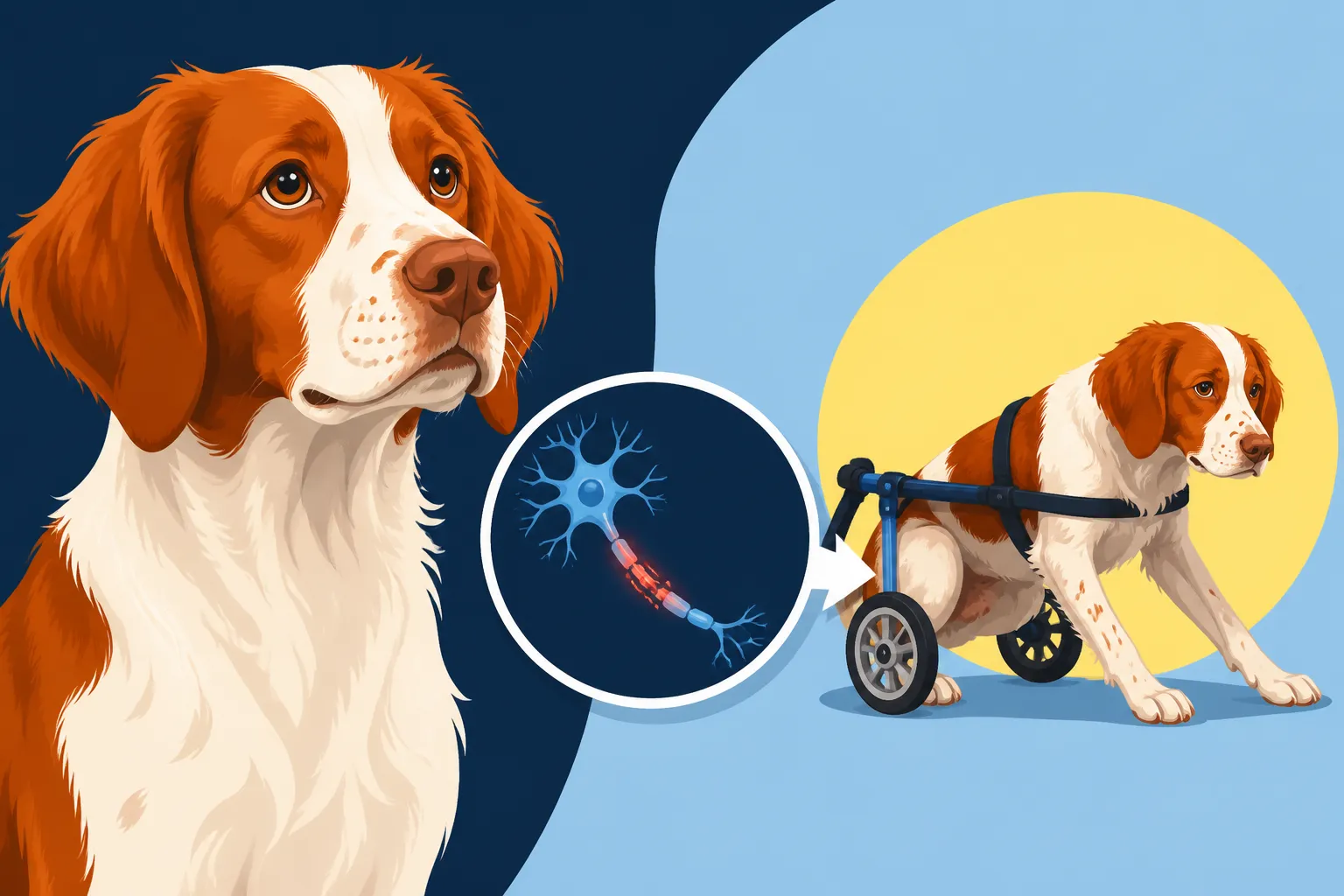
At its heart, Spinal Muscular Atrophy is a genetic disorder. In simpler terms, it means there's a faulty instruction in a specific gene that's crucial for the health of certain nerve cells. These nerve cells, called motor neurons, are found in the spinal cord. Their job is to send signals from the brain to the muscles, telling them when and how to move. Think of them as the electrical wires connecting your brain's command center to your muscles; if those wires start to fray or degrade, the messages don't get through properly, or they stop altogether.
In Brittanys, SMA is an autosomal recessive condition. What does this mean for a regular dog owner? It means a puppy must inherit two copies of the defective gene – one from each parent – to be affected by the disease. If a Brittany inherits only one copy, it's considered a "carrier" and won't show symptoms, but it can pass the gene on to its offspring. This is why screening breeding dogs is so vital, and it’s a conversation any prospective owner should have with a breeder, just like asking about other genetic conditions like C3 Deficiency in Brittanys. The specific genetic mutation involved has been identified, which has been a huge step forward in recognizing and potentially managing this challenging condition within the breed.
How SMA Affects Muscle Function
The primary consequence of these failing motor neurons is progressive muscle weakness and wasting, also known as atrophy. Because the nerves aren't effectively communicating with the muscles, the muscles don't receive the necessary stimulation to function properly. Over time, they begin to shrink and weaken. Initially, you might notice subtle changes, perhaps a slight stumble or a hesitant jump. But as the disease progresses, these issues become more pronounced and debilitating.
This isn't just about a dog being "a bit clumsy" or "slowing down with age"; it's about a relentless loss of motor control. The muscles that enable your Brittany to run through fields, leap over obstacles, and even stand steadily become compromised. It affects their ability to walk, run, jump, and even maintain balance. For a breed so renowned for its athleticism and drive, this loss is particularly cruel, essentially robbing them of their very essence. The impact is profound, turning a once-agile hunter into a dog struggling with basic movements, causing immense heartache for anyone who cherishes their energetic companion.
Recognizing the Early Signs of SMA in Brittany Puppies
One of the most agonizing aspects of Spinal Muscular Atrophy is that it often begins to manifest in puppies, during what should be their most boisterous and carefree stage of life. When you bring home a new puppy, you envision years of adventures, not a future clouded by progressive illness. Recognizing these early signs, however subtle, is crucial for early intervention and managing expectations. It’s also important to remember that puppies, especially Brittanys, can be a bit clumsy by nature, so discerning between normal puppy antics and the first whispers of SMA can be challenging.
Subtle Indicators in Young Pups
The first signs of SMA in Brittany puppies usually appear between 4 to 12 weeks of age, though onset can vary slightly. You might initially dismiss some of these as typical puppy awkwardness, but with an eye for detail, you'll start to notice patterns that are cause for concern. For instance, a pup with SMA might struggle to stand upright, frequently wobbling or losing its balance more often than its littermates. They may seem weaker when trying to get up from a lying position, or they might appear to have a slightly stiff or unusual gait. Instead of bounding with unrestrained joy, they might exhibit a subtle tremor, particularly in their hind limbs, when standing or trying to exert themselves.
Compare their activity levels and coordination to other puppies in the litter, or even to what you’d expect from a healthy Brittany pup. While all puppies have their clumsy moments, a consistent lack of coordination or an inability to keep up with siblings in play could be a red flag. They might tire more easily during play sessions, opting to lie down while others continue to romp. These subtle physical differences, when viewed together, paint a picture of emerging weakness that goes beyond simple puppy clumsiness. This is often the age when a Brittany puppy's eyes should be checked, and other health screenings might occur, making it a critical time for observation.
Progressive Symptoms as They Age
As an affected Brittany pup grows, typically between 3 to 6 months of age, these symptoms unfortunately become more pronounced and undeniable. What started as a slight wobble might progress to a noticeably awkward, wide-based stance as they try to compensate for weakening muscles. Their gait can become overtly abnormal, often described as a "bunny hop" in the hindquarters or a general stiffness and difficulty coordinating their front and back legs. You'll likely observe a progressive muscle wasting, particularly visible in the hindquarters and shoulders. Their once round, playful puppy muscles will start to appear smaller and less defined.
This muscle atrophy can lead to a significant decline in their ability to perform everyday tasks. Climbing stairs, jumping onto furniture, or even standing for extended periods becomes a struggle, if not impossible. A dog that once loved to chase a ball might now barely manage a slow walk, and even that may look painful or laborious. The energetic, field-ready dog you dreamed of may now struggle with basic mobility. It's a devastating progression that impacts not just their physical well-being but also their quality of life, leading to difficult decisions for devoted owners. Observing these changes closely and early is crucial for providing the best possible care and support.
Diagnosing Spinal Muscular Atrophy in Brittanys
When you suspect something is wrong with your Brittany, the journey to a diagnosis can be emotionally draining. It involves a series of veterinary visits, tests, and often, a period of anxious waiting. For conditions like Spinal Muscular Atrophy, getting an accurate diagnosis is essential, not just for the affected dog's care, but also for informing responsible breeding practices within the Brittany community. It's a proactive step that can help prevent future heartache.
The Diagnostic Process
If you're noticing any of the progressive symptoms of SMA in your Brittany puppy or young dog, the first step is always a visit to your veterinarian. They will begin with a thorough physical examination and a detailed neurological assessment. This might involve checking reflexes, evaluating gait, assessing muscle tone, and looking for signs of muscle atrophy. Your vet will be looking for specific patterns of weakness and neurological deficits that point towards a neuromuscular disease rather than an orthopedic issue, like early signs of hip dysplasia. They'll ask you a lot of questions about when you first noticed symptoms, how they've progressed, and any relevant family history if you have it.
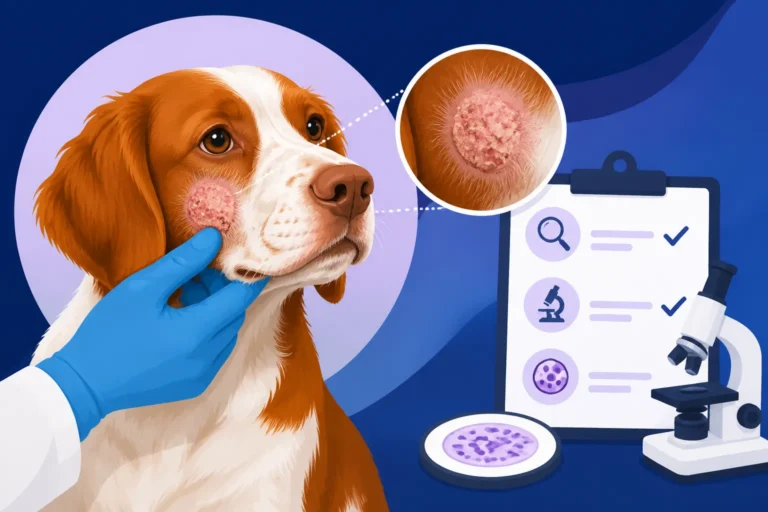
To rule out other conditions that might present with similar symptoms, your vet may recommend a battery of tests. This could include blood work to check for metabolic disorders, infections, or other systemic issues that could cause weakness. X-rays might be taken to assess bone and joint health, ensuring there isn't an underlying skeletal problem. In some cases, nerve conduction velocity tests or electromyography (EMG) might be performed by a veterinary neurologist to evaluate the electrical activity in muscles and nerves, helping to pinpoint if the issue lies with the nerves themselves. These steps are crucial in narrowing down the possibilities and ensuring that the final diagnosis is as accurate as possible.
Genetic Testing and Confirmation
While clinical signs and neurological examinations can strongly suggest SMA, the definitive diagnosis for Spinal Muscular Atrophy in Brittanys comes through genetic testing. Because the specific genetic mutation responsible for SMA in Brittanys has been identified, a simple DNA test can confirm whether a dog is affected, a carrier, or clear of the disease. This test typically involves collecting a cheek swab or a blood sample, which is then sent to a specialized veterinary genetics laboratory. Reputable labs like those offered by the Orthopedic Foundation for Animals (OFA) or university veterinary genetics programs can perform these tests.
The results of this genetic test are invaluable. For an affected dog, it provides a clear diagnosis, allowing owners to focus on supportive care and make informed decisions about their pet's quality of life. For breeders, genetic testing is absolutely critical. Knowing the genetic status of breeding dogs (whether they are clear, carriers, or affected, though affected dogs should never be bred) allows them to make responsible breeding choices to avoid producing affected puppies. This is similar to the importance of screening for other genetic conditions like C3 Deficiency, and helps ensure the health of future generations of Brittanys. If you're considering purchasing a puppy, always ask the breeder about the genetic health testing they perform on their breeding stock, including for SMA, as part of the essential questions to ask a Brittany breeder.
| Stage of Development | Normal Brittany Puppy | Brittany Puppy with SMA (Early Signs) | Brittany Dog with SMA (Progressive Signs) |
|---|---|---|---|
| Birth – 4 weeks | Strong, coordinated movements, gains weight steadily. | May show subtle tremors or general weakness. | N/A (Symptoms typically not obvious until later) |
| 4 – 12 weeks | Active, playful, improving coordination, eager to explore. | Difficulty standing, frequent wobbling, less active, subtle hind limb tremors, struggles to keep up with littermates. | Progressive muscle weakness, noticeable muscle atrophy, difficulty rising. |
| 3 – 6 months | Agile, energetic, runs, jumps, good balance, strong muscles. | Noticeably awkward gait (bunny hop), wide-based stance, significant muscle wasting (especially hindquarters), struggles with stairs/jumps, tires easily. | Severe muscle atrophy, inability to stand or walk without assistance, prone to falling, extreme weakness. |
| 6 months + | Highly athletic, sustained energy, strong and powerful. | Continued, severe decline in mobility, requiring significant assistance, possible complete loss of independent movement. | Profound paralysis, unable to support weight, severe muscle contractures. |
Living with a Brittany Affected by SMA
Receiving a diagnosis of Spinal Muscular Atrophy for your Brittany is devastating, especially knowing it’s a progressive condition for which there is currently no cure. The initial shock and grief are profound, but for many owners, it quickly shifts into a determination to provide the best possible quality of life for their beloved companion. Living with an SMA-affected Brittany demands immense dedication, patience, and a deep well of love, but it also means navigating significant physical and emotional challenges.
Managing Daily Care and Support
While there isn’t a cure for SMA, supportive care can make a significant difference in your Brittany's comfort and mobility. Daily management often involves a multi-faceted approach. Physical therapy is paramount; gentle exercises, stretching, and massage can help maintain muscle tone, prevent contractures, and improve circulation. A veterinary physical therapist can guide you through specific exercises tailored to your dog's stage of the disease. Hydrotherapy, or exercising in water, is also incredibly beneficial as it allows for movement without the full impact of gravity, building strength and improving range of motion.
Beyond physical therapy, you'll likely need to consider various mobility aids as the disease progresses. This could range from supportive harnesses that help you lift and steady your dog, to specialized wheelchairs or carts that allow them to move independently. Keeping them comfortable means providing soft, supportive bedding to prevent pressure sores, and ensuring their environment is easily navigable with ramps instead of stairs. Nutrition also plays a role; while it won't cure SMA, a high-quality diet rich in muscle-supporting nutrients can help maintain their overall health. Regular vet check-ups are essential to monitor their condition and address any secondary issues. Remember that veterinary care for chronic conditions can add up, so having a good pet insurance plan like Healthy Paws can be incredibly helpful for managing these costs. They cover accidents and illnesses, which can be a lifeline for ongoing therapy and equipment.
The Emotional Toll on Owners
Let's be honest: caring for a dog with a progressive, debilitating condition like SMA is incredibly hard. It's an emotional rollercoaster, filled with moments of joy when your Brittany manages a small victory, followed by profound sadness as you witness their continued decline. You might feel a crushing sense of guilt, wondering if you missed early signs or if there was anything more you could have done. It's normal to feel overwhelmed, exhausted, and isolated. Your Brittany, known for its zest for life, is slowly losing its physical capabilities, and watching that happen to a creature you love so much is heartbreaking.
It's vital to acknowledge and address your own emotional well-being during this time. Seek support from friends, family, or online communities of owners facing similar challenges. Sharing experiences and advice can provide comfort and practical tips. Making the difficult decisions about your Brittany's quality of life as the disease progresses is perhaps the hardest part. There will come a point where you need to assess their comfort, their happiness, and their ability to engage in activities they once loved. These are not decisions to be made lightly, and your veterinarian will be a crucial partner in helping you evaluate their overall well-being. Knowing when to say goodbye is the ultimate act of love, and it's a decision that will weigh heavily, but it’s a testament to the incredible bond you share. Healthy Paws insurance may also cover end-of-life care, alleviating some financial stress during this incredibly difficult time.
Breeding Responsibly to Avoid SMA
The identification of Spinal Muscular Atrophy in Brittanys is a call to action for responsible breeders. While heartbreaking for individual dogs and their families, it also presents an opportunity for the breed as a whole to reduce or eliminate this disease through careful, ethical breeding practices. Every Brittany owner, whether they plan to breed or simply acquire a new puppy, has a role to play in supporting these efforts.
Importance of Genetic Screening for Breeders
For breeders committed to the health and longevity of the Brittany breed, genetic screening for SMA is non-negotiable. As an autosomal recessive condition, it means that even a physically healthy "carrier" dog can pass on the defective gene. If two carriers are bred together, there's a 25% chance of producing an affected puppy with SMA, a 50% chance of producing carrier puppies, and a 25% chance of producing clear puppies. This genetic roulette is entirely preventable with proper testing. Breeders should be routinely testing all their breeding stock for SMA, just as they would test for other hereditary conditions, ensuring they have a complete picture of their dogs' genetic health.
The results of these tests allow breeders to make informed decisions. A "clear" dog can be bred with any other clear or carrier dog without producing affected puppies. A "carrier" dog can still be part of a breeding program, especially if they possess other desirable traits, but only if they are bred to a "clear" mate. This strategy ensures that the genetic diversity of the breed is maintained while actively working to reduce the prevalence of the SMA gene in the gene pool over generations. The goal is to eventually phase out the gene responsible for SMA, safeguarding the health of future Brittany puppies and ensuring that the breed continues to thrive as one of the healthiest sporting breeds. This proactive approach by breeders is crucial for the long-term well-being of the entire breed.
Discussing SMA with a Breeder
As a prospective puppy owner, you have a vital role in encouraging responsible breeding practices. When you're looking for a Brittany puppy, asking questions about health testing should be high on your list, right alongside inquiries about temperament and hunting lines. Don't be shy about asking specific questions regarding Spinal Muscular Atrophy. A reputable breeder will not only understand your concerns but will also be transparent and eager to share their health testing protocols and results. You should inquire if the sire and dam have been genetically tested for SMA and ask to see copies of their "clear" or "carrier" certifications. This is just as important as asking about their OFA hip scores or eye certifications.
If a breeder seems evasive, claims the test isn't necessary, or hasn't performed the test, consider it a significant red flag. A breeder who is truly invested in the health of their puppies will proactively address these genetic concerns. Remember, a cheap Brittany puppy can often signal corners being cut in health testing and responsible breeding. Choosing a puppy from parents who have been screened and are clear of SMA provides immense peace of mind and helps support the ethical breeders who are working hard to improve the breed. By choosing responsibly, you contribute to a future where conditions like SMA become rare footnotes in the Brittany's history, allowing more of these wonderful dogs to live out their full twelve to fourteen years a Brittany gets with health and vitality.
Disclaimer
The information provided in this article is for educational and informational purposes only, and does not constitute veterinary medical advice. Always consult with a qualified veterinarian for any health concerns or before making any decisions about your pet's health or treatment.